
New in Hawaii
Moving to Oahu: Your First 30 Days Checklist
A practical first-30-days checklist for moving to Oahu: license and car, housing, island geography, traffic, etiquette, and how to build a social life.
By YKnot · · 4 min read
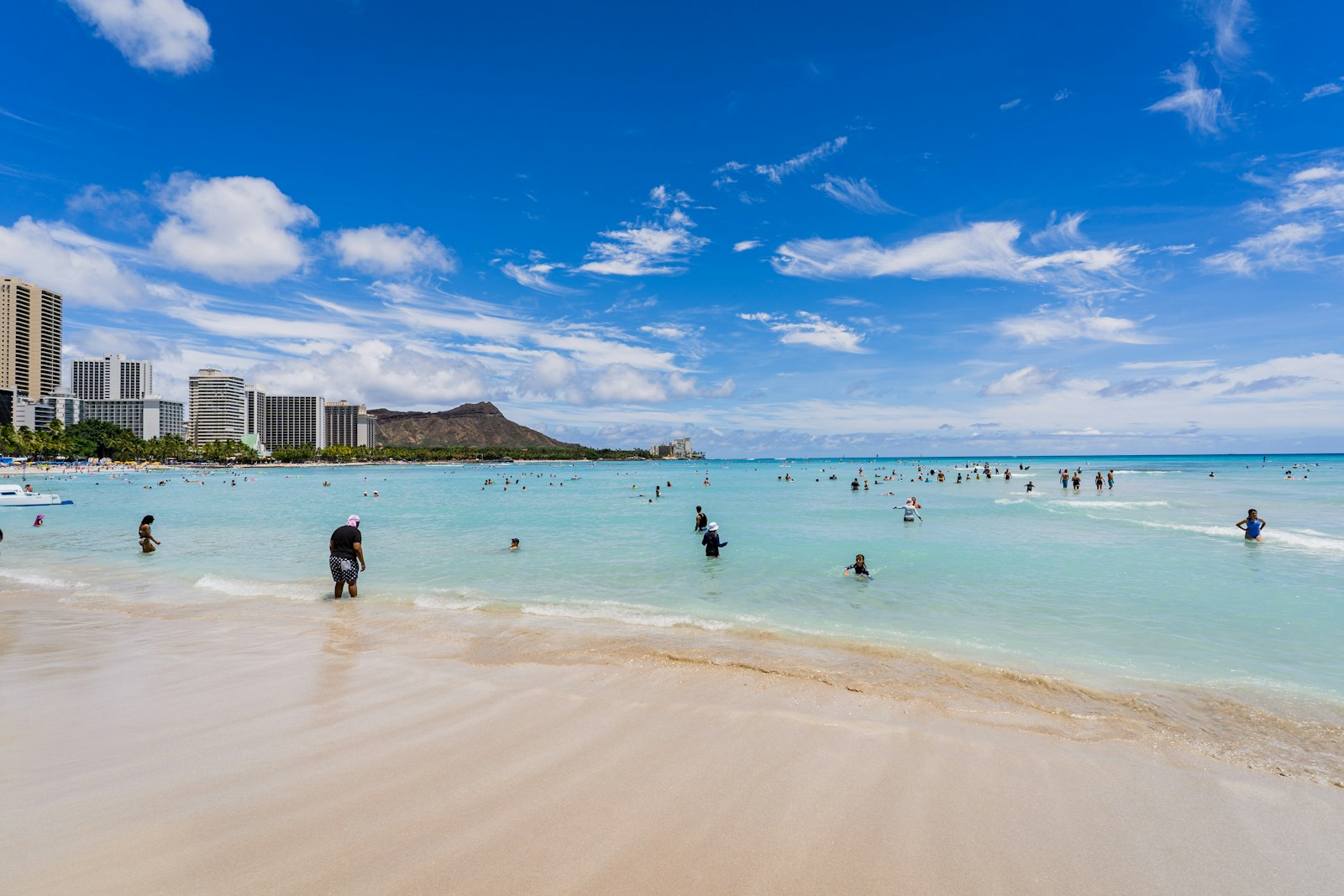
The first month after moving to Oahu is mostly errands, and the errands are all slightly different from the ones you're used to. Then somewhere in week three you look up and realize you haven't made a single friend yet.
Here's a checklist that handles both halves: the paperwork and the part nobody puts on a list.
Week 1: the paperwork side of moving to Oahu
Driver's license. The common rule of thumb is that new residents are expected to get a Hawaiʻi license within about 30 days of establishing residency. Requirements, documents, and appointment availability change, so check the current City and County DMV requirements before you go, and book early — walk-in slots go fast.
Your car. Shipping a car over usually takes a couple of weeks door to port to door, so plan a gap. Buying used here is common and prices run higher than the mainland; look hard at rust underneath, because salt air is undefeated.
Groceries. Expect the paradise tax. A Costco membership pays for itself quickly if you have the storage, and Chinatown and neighborhood markets beat the big chains on produce and fish. Buy local where you can — it's cheaper and it's better.
Housing. The rental market is tight and moves fast. Good listings go within days, so be ready with deposits and documents in hand. And be skeptical: rental scams targeting new arrivals are a real thing here. Never send money for a place you or someone you trust hasn't stood inside.
Week 2: learn the island's geography
Oʻahu is small, but people talk about it in regions, and you should learn them fast.
- Town is Honolulu, Waikīkī, Kaimukī, Kakaʻako, Mānoa. Dense, walkable in places, where most jobs are.
- Windward is Kailua, Kāneʻohe, Waimānalo. Green, rainier, cooler, quieter.
- North Shore is Haleʻiwa and the big-wave coast. Beautiful, rural, and far.
- Leeward and West is ʻEwa, Kapolei, Waiʻanae. Sunnier, drier, growing fast.
Now the important part: H-1 traffic decides your life. Rush hour in both directions is heavy, and a 20-mile drive can take well over an hour at the wrong time. Before you sign a lease, drive your commute at the actual hour you'd drive it.
TheBus covers the island surprisingly well and is a legitimate option, and Biki bike share is genuinely useful for short hops around town. Between the two you can survive a few carless weeks.
Week 3: island etiquette
None of this is written down, and all of it is noticed.
- Take your shoes off before entering someone's home. Always.
- Slow down. Driving, talking, everything. Nobody is in a hurry and nobody is impressed that you are.
- Don't honk. It reads as aggression here, not information.
- Let people merge. Wave a shaka thanks when someone lets you in.
- Respect the ʻāina: pack out your trash, stay on trails, stay behind barriers, don't touch turtles or monk seals, and don't stack rocks.
- Wear reef-safe mineral sunscreen.
- Learn to pronounce place names properly instead of shortening them. It takes a week and it matters.
- You are a guest for a while. Act like a good one and the door opens.
Week 4: actually build a life
This is the step people skip, and it's the one that determines whether you're still here in two years.
Pick two recurring things and go every single week. Not five things once — two things, repeatedly. A Saturday morning at the KCC farmers market. A weeknight pickup volleyball game at Ala Moana. A group run around Kapiʻolani Park. A beginner surf session at Queens. A beach cleanup once a month.
Repetition is the whole trick. The fourth time you show up, someone says "you again," and that's the beginning.
Also: say yes early and often, even when you're tired. The invitations thin out if you decline three in a row.
A few tips
- Get a rice cooker and a good cooler. You'll use both weekly.
- Keep a beach bag packed in the car: towel, slippers, sunscreen, water.
- Learn where you can park free before you go anywhere popular, and go early.
- Rain moves fast. Don't cancel a hike because it's gray in town.
- Check current hours before you drive across the island for anything.
More Oʻahu guides
Once the boxes are unpacked, work on the social side with our guide to making friends in Honolulu. If you're on a budget while the deposits clear, try free things to do on Oʻahu, and for arrival logistics and beaches, the official Oʻahu visitor guide is a decent orientation.
Make it a plan
Logistics you can solve alone. Company you can't — and the first three weekends are where that gets decided. YKnot exists for that second part: members are ID-verified, and instead of cold-messaging strangers you join a plan someone already has room for — a sunrise hike, a table at dinner, a spare spot in the lineup. The host sees who you are before saying yes, and joining costs nothing.
Month one is boxes. Month two should be people. 🌺