
New in Hawaii
The first three weekends after you move to Oahu alone
You landed on Oahu alone and the weekends are long. A weekend-by-weekend plan for the first three, built around the one visit that actually matters.
By YKnot Admin · · 5 min read
The first week is fine. There's a lease, a driver's licence, a Costco run, a box of things that didn't survive the flight. It's the first three weekends after that which decide how the year goes.
Then Saturday arrives with nothing in it, and the island gets very large and very quiet.
Most advice for this moment is a list of attractions, which is exactly wrong — you can see every attraction on Oʻahu alone and be no closer to knowing anyone. What you need isn't a list. It's a sequence, and the second weekend is the one that does the work.
Weekend one: pick your repeating thing
Saturday morning, go to a farmers market. Not for the produce — a market is the one place you can stand around for an hour without a reason and nobody finds it strange. The one at Kapiʻolani Community College is the big Saturday-morning one and it goes early; the Kailua and Mililani markets are calmer and easier to actually talk at. Days and hours shift, so check before you drive. Our Oʻahu farmers markets guide has the lay of it.
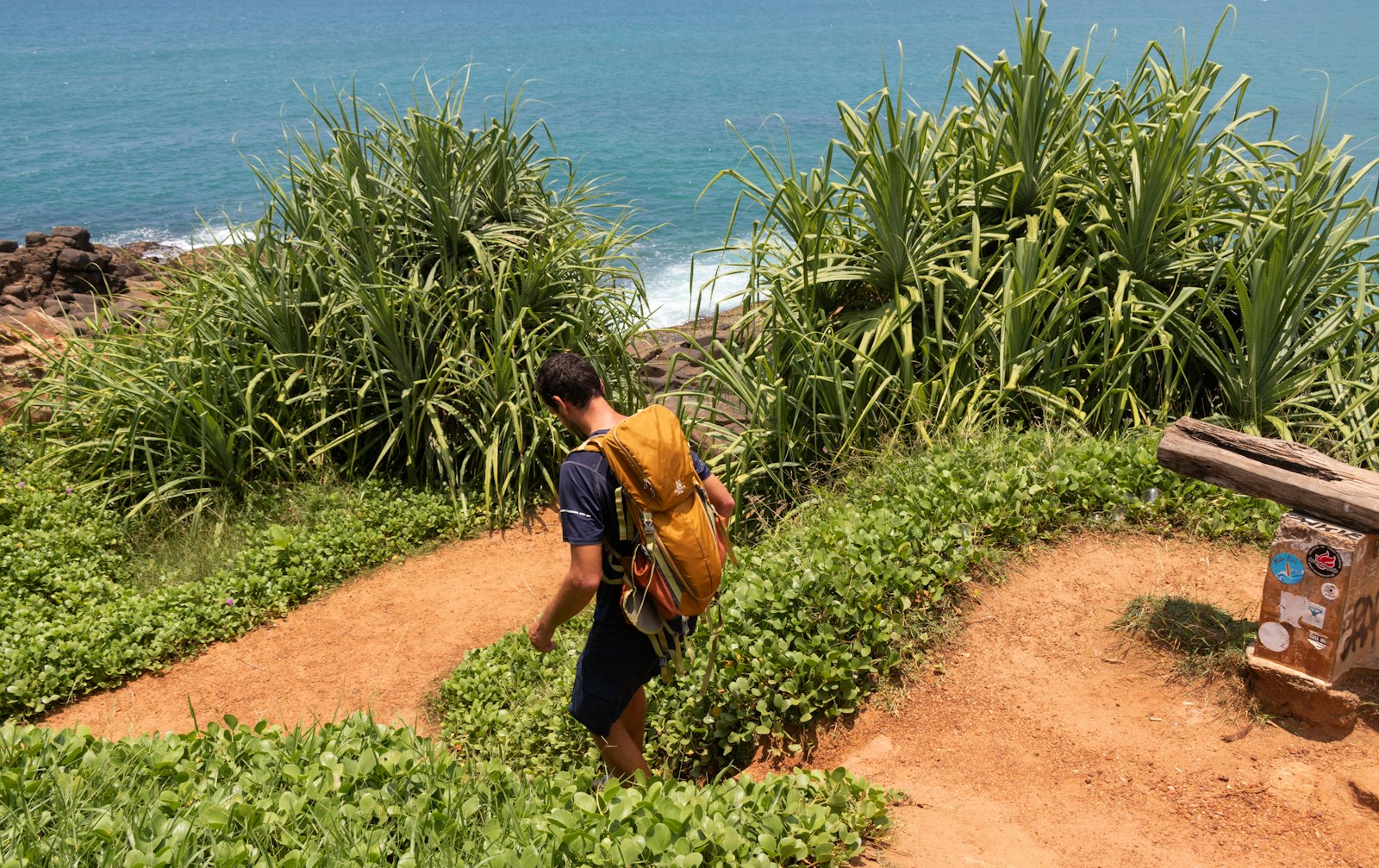
Saturday afternoon, do a hike you can genuinely do by yourself. Mānoa Falls if it's been dry, the paved Makapuʻu lighthouse trail if you want people around you, Diamond Head early if you want it over with — entry and reservation rules there work differently for residents than for visitors and have changed more than once, so carry your Hawaiʻi ID and check what applies the week you go. Leave nothing in your car, and don't feel weird about going alone.
Then the only part of this weekend that matters. Before Sunday night, pick one thing that happens every week and commit to it for a month. A run club. A gym with a fixed class time. A jiu-jitsu room. A church. A volleyball night. A beach cleanup. A paddling club that takes novices.
The specific activity is close to irrelevant. What you're buying is a fixed hour on a fixed day with the same faces in it. Everything else in these three weekends is scenery.
Weekend two: go back to the exact same thing
Almost nobody does this, which is exactly why it works.
The first visit produces nothing. The second visit is when you become a person. On visit one you're a stranger, and there's no point investing in you — half the strangers who turn up never come back, and the regulars know it. On visit two you've proven you will, and the arithmetic changes. Someone says "oh, you were here last week." That sentence is the entire beginning of a friendship on this island.
So: same class, same court, same trailhead, same hour. Stand near the same people. Say your name again — nobody caught it the first time and they're now too embarrassed to ask.
Then the second thing: say yes to one invitation you'd normally decline. A coworker's cousin's birthday at a park in ʻAiea. Somebody's church thing. A potluck where you'll know one person. Most of your instinct to decline is tiredness plus the accurate sense that it'll be a bit awkward. It will be. Go anyway — the awkward hour is the entire cost.
You're in more company than you think, too. Oʻahu takes in new people continuously: military families, travel nurses, UH transfers, people who moved for one job. Half the room at any beginners' anything is in your exact position, which is the argument in just moved to Oʻahu and don't know anyone.
Weekend three: you propose something specific
By now you've had three or four real conversations. Here's where nearly everyone stalls, with the most useless sentence in the language: "we should hang out sometime."
"We should hang out sometime" never converts, and everybody knows it. It transfers all the work to the other person, gives them nothing to say yes to, and lets both of you leave feeling like something happened. Nothing happened.
Replace it with a date, a time, and a place. "I'm going to Kaʻena Point Saturday at seven, there's room in my car." "A few of us are doing the dumpling place on Waiʻalae Thursday, come." Specific plans are easy to accept and easy to decline, and the second half is why they work — a no costs nobody anything.
You'll get turned down. That isn't about you; people here have families, Sunday obligations, a cousin's graduation. Propose the next one.
And make it something you were going to do anyway. The plans that work are the ones that happen whether or not anyone joins — you're just adding a seat, not manufacturing an event. What makes a good plan gets into the difference.
After the first three weekends
Three weekends won't give you friends. They'll give you four or five people who recognise your face, one standing commitment, and the habit of proposing things — which is what week four runs on.
The failure mode isn't dramatic. It's rain on a Saturday, a long week, one skipped session, then two, and by November you're back where you started with a good reason for every absence. The people who build a life here aren't braver than you. They just kept showing up to the same Tuesday.
Weekend two is a lot easier when something is already on the calendar for it. That is what members do on YKnot — post a plan they were going to anyway, leave one seat on it, and see who asks. You ask, the host says yes or no, and the exact spot comes through after that. Everyone on there has had their ID checked, so your first Saturday with someone new isn't a leap of faith.
See what's happening on Oahu →
Cover photo by Zoshua Colah on Unsplash.