
Things To Do
Meeting people in Wahiawa and Haleʻiwa is slow on purpose
Wahiawa and Haleiwa are the two Oahu towns nobody writes about. Why friendship runs slow on the plateau and up the coast, and what actually works.
By YKnot Admin · · 5 min read
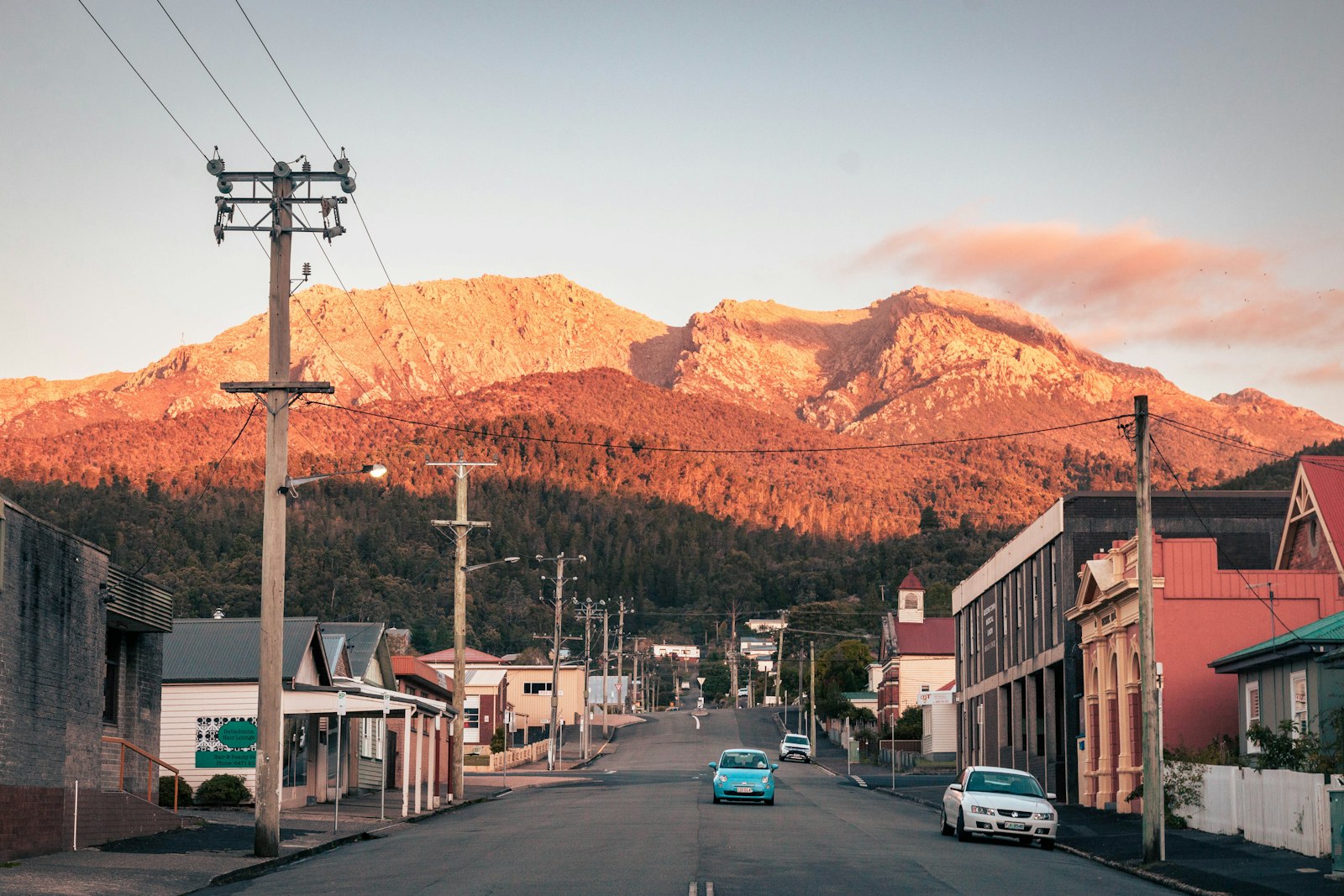
Meeting people in Wahiawa is a different problem from meeting people in town, and the reason is the gate and the road. The plateau sits between Oʻahu's two mountain ranges, cooler and wetter than the leeward coast, with Schofield Barracks on one side and farmland on the other. Twenty minutes north, Haleʻiwa is a surf town that has watched an enormous number of people arrive, take a photo and go home. Both are friendly to strangers. Neither is fast, and for the same underlying reason.
Everyone up here has watched people leave
The plateau runs on a two-or-three-year clock, and the people who stay have learned to protect themselves from it.
Schofield and Wheeler are right there, which means a steady population of households that arrived on orders and will leave on orders. Add the renters who try a year up here and discover what the drive costs them. A long-time resident has said goodbye to a lot of people who meant it when they said they would stay in touch.
What that produces is not coldness. It is warmth without investment. Someone will jump your car in the lot, talk for ten minutes about the rain, and never text you. They are waiting to see whether you are still around when the school year turns over.
So the work here is proving a horizon. Say out loud when your lease runs to. Show up to the same thing for four months without needing it to pay off. If you are the household on orders, the PCS version of this problem has its own shape, and the honest move is to name your window rather than hide it.
What passes for a scene here is an institution
Wahiawā's social life runs through parks, schools, churches and youth sports rather than through anything you can walk into after dark.
There is no district here where people go to be seen. What there is: county parks with fields and courts in use most afternoons, a public library, the city botanical garden down in the gulch with its big old trees, and churches that carry a lot of the town's community work. Youth sports is one of the strongest adult networks on the plateau, and you do not need to coach to be inside it.
That changes the mechanics of meeting people in Wahiawa. You are not looking for an event to attend; you are looking for a role to take. Institutions hand out roles — carry the cooler, run the clock, show up early for setup. A role gets you recognized far faster than attendance ever does.
It is slower to start and much stickier once it takes, which is the same pattern as Mililani, a few miles down the highway. Ask what needs doing rather than waiting to be assigned.
Haleʻiwa's version is in the water, and there is a line
Up the coast the organizing principle stops being institutions and becomes the ocean, and the resident-visitor line there is real.
Haleʻiwa absorbs a lot of one-day traffic. Conversation with a stranger is friendly and light, and it gets deeper once you keep turning up. Being at the same beach park at the same hour repeatedly is the credential. It takes months and it works.
The water has its own order, and this is where people get it wrong fastest. The people who surf these breaks daily have their own understanding of who goes when, and from roughly November through April the North Shore gets large, genuinely dangerous surf. The respectful route is to watch a session from the sand before you get in, pick the less contested spot, ask rather than assume, and follow the lead of whoever has been swimming there for decades. Check the National Weather Service forecast office in Honolulu for high surf advisories before you drive up.
Winter and summer are two different coastlines up there: the bay that is a swimming pool in summer belongs to experts in winter. If you are thinking seriously about moving, what it is like to live on the North Shore is worth reading first.
The H-2 decides what is possible on a weeknight
Distance up here is measured in minutes of highway, and the highway is the whole constraint.
Town is reachable and it is not casual. The freeway down is fine at odd hours and unpleasant in the commute direction, so an evening thing in Honolulu costs you the whole evening on both ends. People make that drive for something that matters and quietly stop making it for anything else.
North is the easier direction. Kamehameha Highway to Haleʻiwa is short by comparison, except on a summer weekend or a big-wave day, when a two-lane road serving the whole island does what you would expect.
So keep anything recurring on your own side of the interchange and save town for the days you have to spare. A swim up the coast, a court, a field, a loop through the park — those are repeatable, and repetition is what turns acquaintances into people who text you.
Host instead of hunt
In both towns, the person who names an hour and a place gets the friends.
Waiting to be invited fails here for the reason above: nobody invests early in someone who might be gone by spring. Hosting flips it. You put up the thing you were already doing, mark a seat spare, and the transience question answers itself without a speech, because you did it again the following week.
Be specific enough to be joinable. Not "we should surf sometime" but the hour, the parking lot, and how long you have. That is the whole trick to meeting people in Wahiawa and up the coast: stop auditioning, and start being the one with the plan.
Nobody here is unwilling. What you cannot see from your driveway is which neighbor is free at the same hour you are, and that is the gap YKnot fills. Someone shares the thing they were already doing, marks a seat or two spare, and picks from whoever asks. It is a closed membership, identity is verified before anyone joins, and the meeting place arrives once the host has chosen.
See what's happening on Oahu →
Cover photo by Josh Fotheringham on Unsplash.