
Things To Do
Meeting people in Kalihi: you show up, you do not discover
Kalihi is dense, working and immigrant-built, and nothing in it is waiting to be found by you. A resident's guide to earning a place by showing up.
By YKnot Admin · · 5 min read
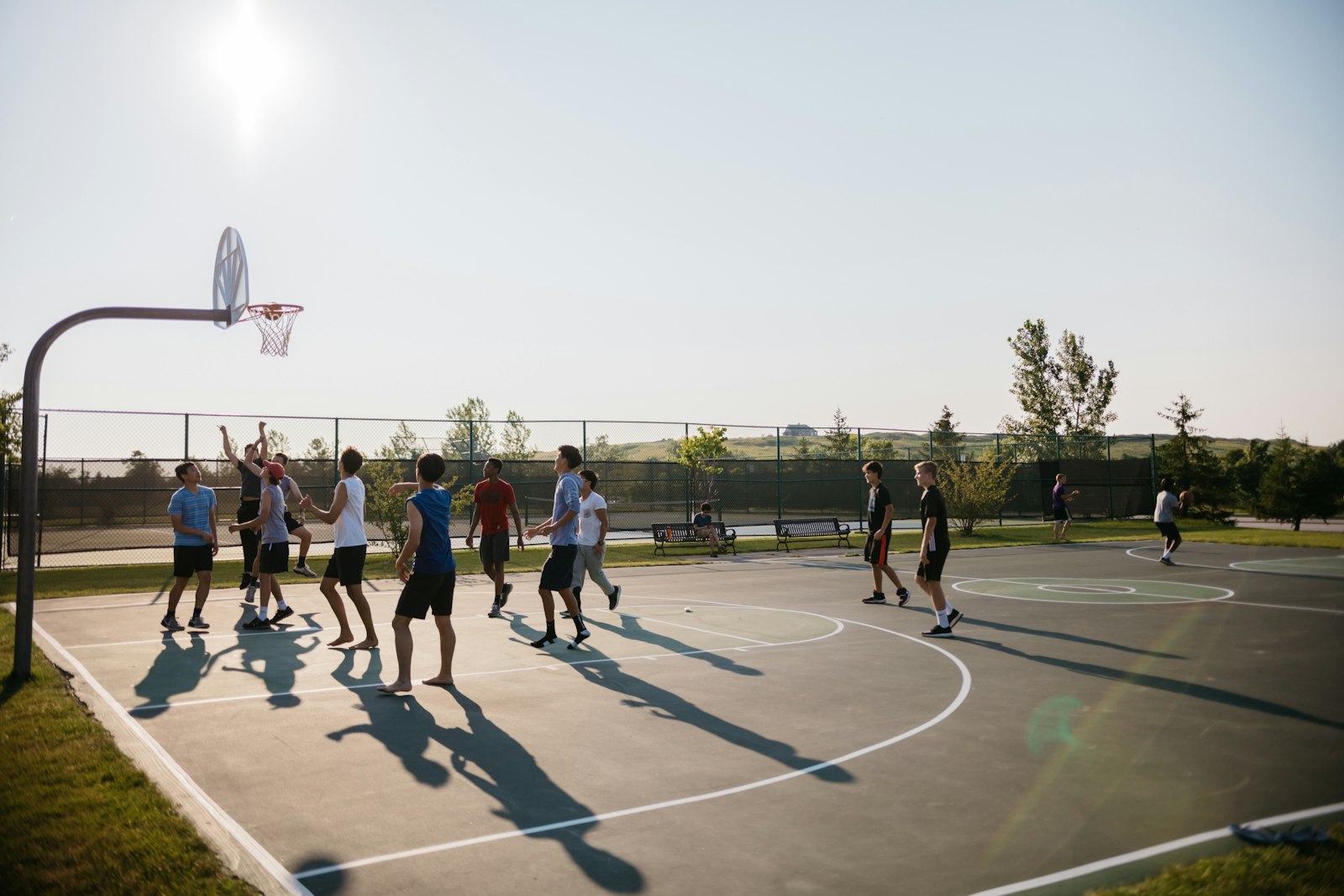
Six on a weekday evening, and the district park courts are full, the church lot across the road is filling for a midweek service, and three generations of one family are eating out of foil at a picnic table. Meeting people in Kalihi is easier than in most of Honolulu for that reason alone — the neighborhood is outside. It is also slower, because nothing here has been sitting around waiting for somebody new to find it. Kalihi was built and rebuilt over a century by people who work the hotels, the hospitals, the harbor and the airport, and you earn a place the way they did: by being around, repeatedly, and behaving well.
The valley and the harbor end are two different neighborhoods
Kalihi runs from the back of the valley down to Sand Island, and the mauka end and the makai end do not live the same way.
Up the valley the streets narrow, the rain arrives most afternoons, the houses sit closer together, and it is residential to the point of quiet. Below School Street the density jumps: apartment blocks, storefront churches, medical offices. Past King and Dillingham it turns industrial — warehouses, repair yards, the harbor, planes low overhead.
That decides what your week can look like. What you can walk to depends entirely on which part of Kalihi you are in, and the valley end walks to nothing after dark. The King and School corridors are well served by bus, which is how a large share of the neighborhood actually moves around the island; check current routes and evening frequency on TheBus before you count on a late return.
Worth saying plainly, because outsiders usually arrive carrying it: Kalihi has a reputation in the rest of town that people here find tiresome. This is a working neighborhood with real problems and a great many families minding their own business. The newcomer narrating the danger is no more welcome than the one narrating the authenticity.
The parks and the gyms are where the neighborhood actually is
The social infrastructure here is public and physical — district parks, gym floors, and the boxing and jiu-jitsu rooms tucked into commercial buildings.
The city's district and community parks carry real weight in Kalihi. Evenings and weekends the courts, the ballfields and the gym floors are in use by leagues, church teams, family reunions and whoever has next. Nobody is going to introduce you. You put your name on the next game, you pass the ball, you come back the following week — the lesson laid out in pickup sports on Oʻahu, with the advantage that the courts here are rarely empty.
The fight gyms are the other institution, and no novelty in this part of town. Boxing rooms and jiu-jitsu academies here have turned out serious competitors for decades, and they run on the court's logic: show up, be coachable, shake hands, come back. If that reads as intimidating, the practical version of a first session is in walking into a jiu-jitsu gym in Honolulu. Confirm class times with the gym rather than a listing.
Church is the third, and for many families the central one — Catholic parishes, Samoan and Tongan congregations, Filipino, Vietnamese and Chuukese churches, some of them in storefronts. If you have any inclination toward it at all, that is the fastest way into the social life of this neighborhood, because the congregation is also the mutual aid network, the babysitting arrangement and the Saturday work crew.
Meeting people in Kalihi starts with food, and none of it is a discovery
Every place here worth eating at has been full of regulars for years.
Filipino, Chinese, Korean, Samoan, Tongan, Vietnamese and Micronesian families have run kitchens and markets in these few blocks for decades, and much of it is takeout counters, plate lunch windows and small markets with a hot case by the register rather than rooms you sit down in.
Which changes how you use it. You do not linger at a takeout window. You go to the same one every week at the same hour, order the same thing, say your name out loud more than once, and let the cashier learn your face — then carry the food to a park where people are actually sitting. Cheap eats in Honolulu covers building a rotation you can keep.
Two things not to do. Do not photograph a family's dinner. And do not tell people who have eaten here their whole lives that you have found something — nothing here was waiting to be found, it was simply never advertised to you.
You will not be adopted in a month. What you can be is the same face at the same court on Thursdays, the same counter on Sunday mornings, the person still there stacking chairs after the thing finishes. Do that for a few months and somebody introduces you to somebody.
Repetition is the part Kalihi hands you anyway. The invitation is where it stalls, and that gap is the whole reason YKnot exists — somebody already going to the Thursday court run or the Sunday table says how many seats are genuinely spare, reads the people who ask, and picks. Identity is verified before anyone is inside, and the exact meeting spot comes once the host says yes.
See what's happening on Oahu →
Cover photo by Steven Abraham on Unsplash.