
Things To Do
Meeting people in Aiea, Salt Lake and Moanalua runs on a longer clock
Aiea, Salt Lake and Moanalua sit between town and the Ewa plain. How the social fabric actually works in a commuter belt, and where a newcomer starts.
By YKnot Admin · · 5 min read
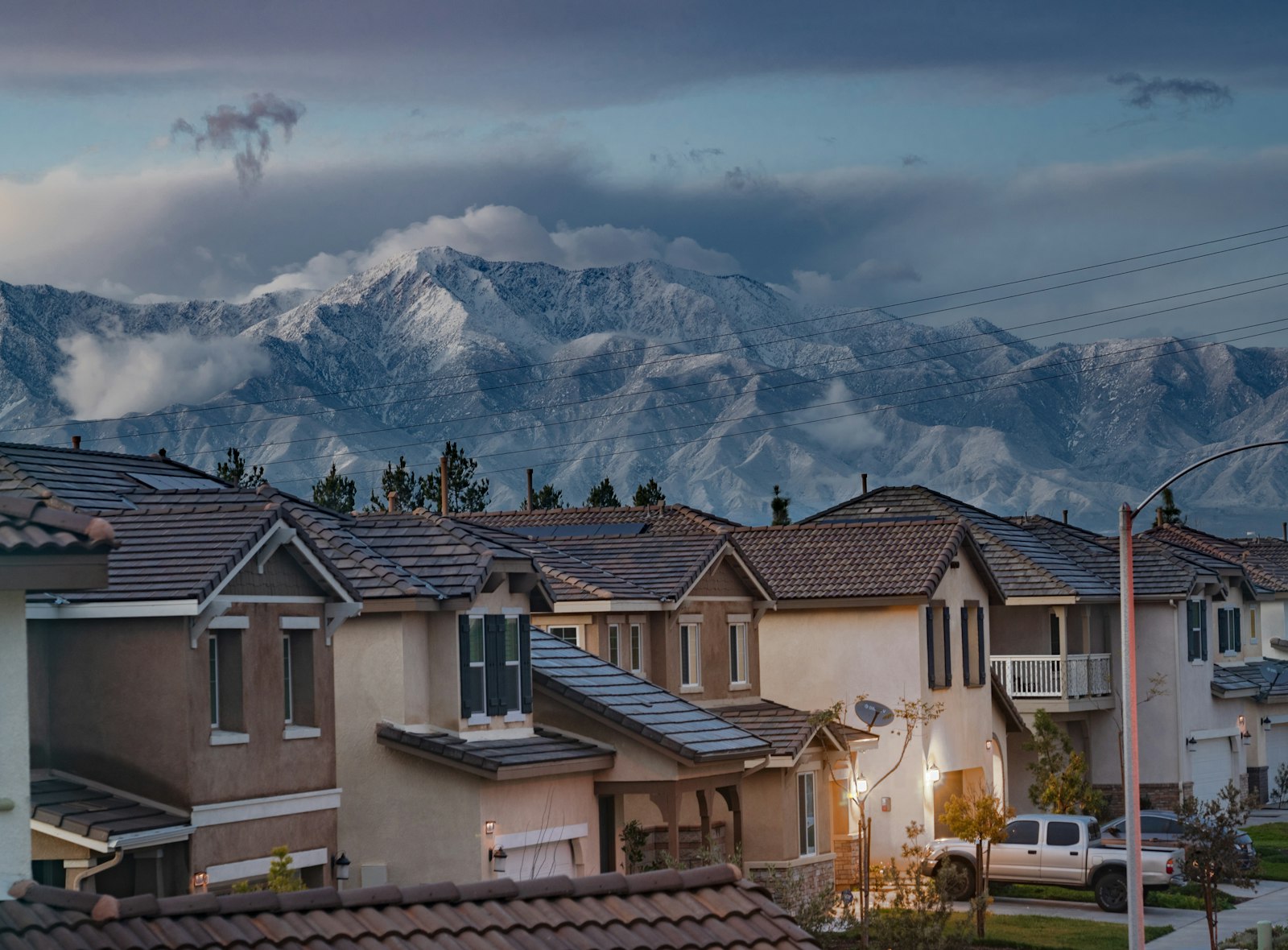
Meeting people in Aiea, Salt Lake or Moanalua is slower work than the map suggests. The apartments are full, the parks are busy most evenings, and still, meeting people in Aiea can take a newcomer the better part of a year. That is not unfriendliness. This is a district shaped by Pearl Harbor, where many of the people who arrive are gone again in a few years, and the families who stay have learned to wait and see who sticks.
The churn is real, and so is the defense against it
In a military-adjacent neighborhood, the most useful thing you can demonstrate is that you will still be here next year.
Your neighbor has watched the unit next door turn over four or five times. Each round, somebody nice moved in, the kids played, then the truck came. People stop investing early. They are not cold, they are pacing themselves.
So the currency is not charm, it is repetition. The same walk at the same hour, the same bleacher at the same field, until you stop being a face and become a fixture. Mention the lease, the job, the school your kid started — you are answering the question everybody is quietly holding.
If you arrived on orders yourself, that is not a reason to hold back. Be honest about your window and generous inside it, which is most of what works after any move here.
A commuter belt spends its free time on the road
The drive does not just take time, it breaks what is left into pieces too small to use, so plans close to home are the ones that survive.
Nearly everyone here works somewhere else — town, the airport, the harbor, the west side. Add the freeway at both ends and the workday eats the evening. What remains is not an evening, it is a window, and a window will not absorb a long drive at each end.
So weeknight plans have to be close and low-effort or they quietly stop happening. A walk on the shoreline path, a court at the district park, a plate eaten at seven. Save town for the weekend.
This is how people out here end up isolated: every plan they consider sits thirty minutes away, and thirty minutes is exactly the amount that never happens.
Meeting people in Aiea runs through institutions, not scenes
There is no district-wide scene to walk into; there are parks, leagues, churches and a food court doing the work of a town square.
The social infrastructure here is institutional, and that is a feature. The city parks in ʻAiea, Salt Lake and Moanalua carry basketball, volleyball and youth programs, and the parents on the sideline are the real social network of the neighborhood. Gym hours and league sign-ups run through the city, and current details sit with the Department of Parks and Recreation. Check before you count on a schedule.
Above ʻAiea, Keaīwa Heiau State Recreation Area carries a loop trail that draws the same regulars most mornings, and that repetition does what a league does. The ridge is wet, and the trail closes for weather and maintenance; the state parks division posts what is open, so look before you drive up. Down at the water, the shoreline path along Pearl Harbor is the entry newcomers skip: walkers early, the same faces, greetings that have gone on for years without a last name.
Then there is the food court, which is not romantic but is where it actually happens. Shopping centers here work as third places the way a main street does elsewhere, and the churches still do a large share of the organizing. For the pickup side, the island's regular games are the fastest way into a weekly rhythm.
Two generations on the same block
Kūpuna who have been in the same house for decades live beside families who arrived on orders, and almost nothing exists to introduce them.
One household has been on the street as long as the street has existed. The other signed a lease from the mainland, sight unseen. They share a wall and a school and may never have a real conversation.
Closing that gap is unglamorous. Take in a rubbish bin that blew over. Learn the names and say them correctly. Bring food when you are invited anywhere. Slippers off at the door. That reads small, and it is the entire protocol.
The geography is the actual argument
Almost nowhere else on Oʻahu puts you this close to both town and the west side, and that convenience should shape your plans.
You can be on the leeward coast or in a valley in town in about the same time, which makes you a useful person to know. Be the one who says "I'll pick you up on the way" — you are on the way to most places.
It is also the bridge west. Much of what applies a few exits down the highway applies here, and the central leeward corridor reads as one continuous place socially, even where the addresses change.
Hosting beats hunting, here as everywhere
Waiting to be invited in a district this fragmented means waiting a long time, so put the plan up yourself.
Where everyone is tired, nobody wants to organize. They want to be told. A walk after work, a court on a weekend morning, a pot of soup and four chairs — those all fill, but only once somebody says them out loud.
That is the mechanic on YKnot. You are already going to the park, already driving up the ridge, already eating at seven. Share the spare seat and let nearby members ask to come. Meeting people in Aiea is not about finding the door; it is about being the one who opens it, every week, until the same three faces start showing up on their own.
Cover photo by Juan Carlos Becerra on Unsplash.