
Things To Do
Maui hikes and parks you have to reserve before you drive up
Some of the island's busiest parks and trailheads run on advance reservation, and the terms differ for residents. What to check before you drive up.
By YKnot Admin · · 5 min read
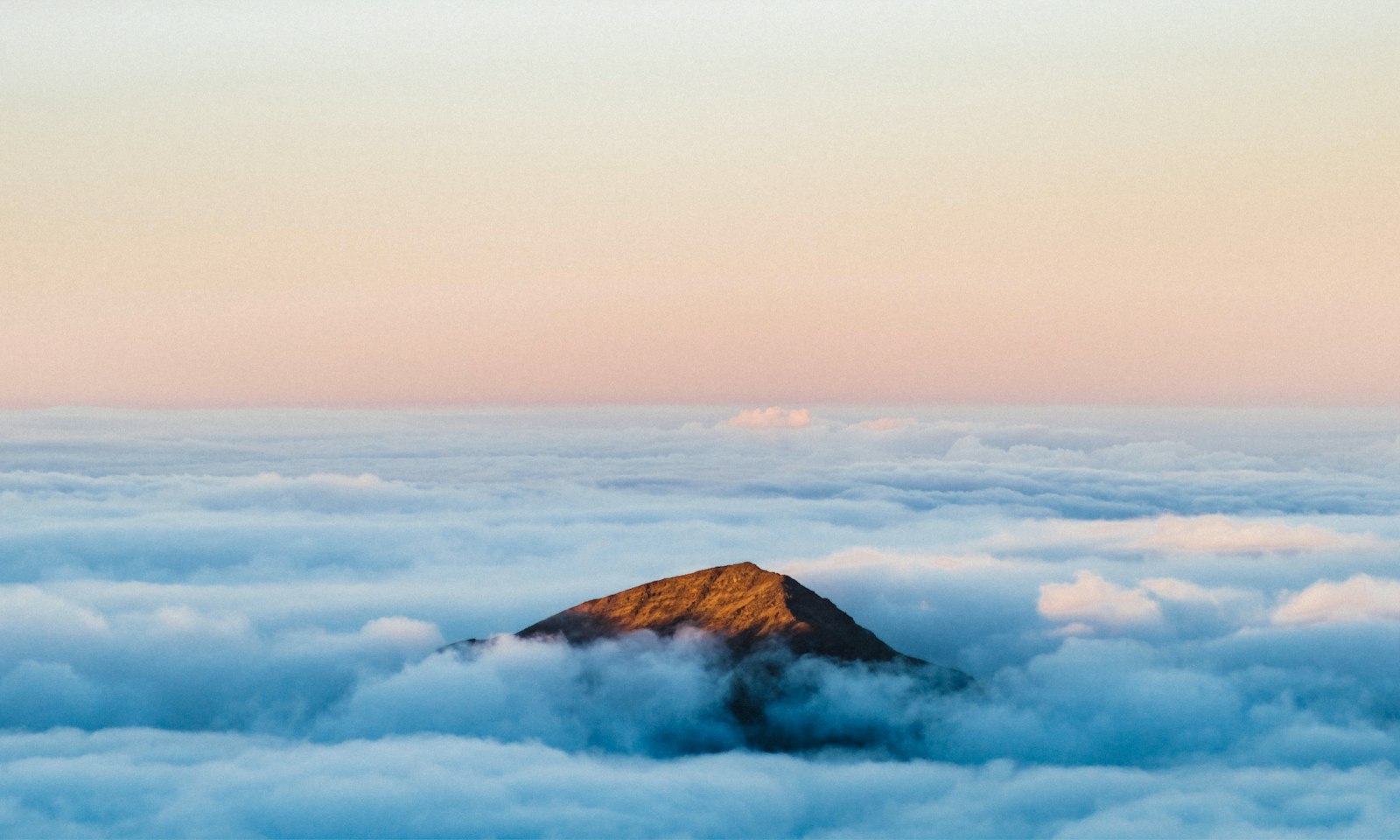
An hour and a half of driving, a cooler in the back, four people in the car, and a gate you cannot go through. It happens to people who grew up here. The Maui hikes and parks you have to reserve went over from turn-up-and-park to book-in-advance one site at a time, and nobody sent a notice. Most of those systems exist for good reason — the places were being loved into the ground — but the knowledge is spread unevenly, and the penalty for not having it is a wasted morning and four disappointed passengers.
What changed, and why residents get caught out by it
The old assumption was that you showed up. The new one is that access to the busiest places is allocated in advance, online, sometimes days ahead.
What makes it land badly on people who live here is that it arrived piecemeal. Some places reserve entry. Some reserve parking. Some reserve one time window and leave the rest of the day alone. Some are unchanged. There is no single rule to carry from one to the next, which is how somebody with thirty years here ends up wrong at a gate. So treat "do I need to book this" as a question you answer the week you plan the day, then confirm the night before — from the operator, not from what your cousin told you two summers ago.
The Maui hikes and parks you have to reserve fall into three buckets
Learn the categories rather than the details, because the details keep moving.
The summit at sunrise. Entry during the sunrise window has run on an advance reservation separate from ordinary park entry, checked at the gate in the dark. Do not take that from this page as the current arrangement — confirm it on the park's own site. This is the expensive one to get wrong, because by the time anybody tells you, you have driven up through Kula at two in the morning.
The national park more generally. Haleakalā is one park with two districts that do not connect by road: the summit, and Kīpahulu out past Hāna where the Pipiwai Trail is. Entry, fees, hours and closures are set and posted by the park. Kīpahulu also commits you to the road out and back, so read the Road to Hana etiquette guide before you file it under casual Saturday.
State parks on the Hāna side and in the valley. The state runs its own system, separate from the national park's, covering its busiest sites — the black sand coast at Waiʻānapanapa and the valley at ʻĪao among them. Entry and parking are two different things at some of these, so read the state's page for the specific park rather than carrying one park's rules to another.
Take no number from anyone, this page included: how far ahead a slot opens, what it costs, what hours a gate is staffed, whether a site is open today. All of those have moved more than once.
Check the source, not the group chat
One look at the operator's page beats twenty minutes of asking around, and it is the only current version.
For anything inside the national park — sunrise entry, Kīpahulu, road and trail closures, what is required at the gate — the National Park Service posts it on the official Haleakalā National Park site. Read the alerts at the top first. Closures land there before anyone in your group chat has heard about them.
Residency is the other thing to check rather than assume. Hawaiʻi residents are treated differently at several of these sites, but not identically, and it does not reliably remove the booking — sometimes it changes the fee, sometimes the requirement, sometimes nothing. It is never automatic and you always have to prove it. Hold a slot anyway, carry your Hawaiʻi ID, and if you cannot get a clear answer for the day you want, call the park before you commit a carful of people to the drive.
A booked slot is easy to invite someone into
Most plans die at "we should do that sometime." A reservation has already killed the vague part.
Hold a slot and the date exists, the time exists, and the drive is happening whether anybody else comes or not. The invitation shrinks to something a near-stranger can accept: not "want to hang out," but "I have Waiʻānapanapa booked Saturday, leaving Kahului at six, two seats."
Which is why an empty seat in a booked car is a waste — somebody is refreshing a page right now for the slot you are about to use alone. If you would rather fill it with someone you have already walked with, the vetting worth doing first is in how to find a hiking partner on Maui, and plenty of the island needs no booking at all, as in things to do on Maui this weekend.
A held slot and a car with room in it is most of a plan already; what is missing is the person in the passenger seat. On YKnot a member says what they have booked and how many seats are going spare, other members ask for one, and the host picks. ID verification happens before anyone becomes a member, and the details of where to meet follow the host's yes.
Straight about the state of it: the plans are concentrated on Oʻahu right now and Maui is new ground. Being early is not the same as being alone — the first booked Saturday posted on an island is the one everybody else asks to join.
See what's happening in Hawaii →
Cover photo by Luke Richardson on Unsplash.