
Living in Wailuku and Kahului: the Maui nobody writes about
Central Maui is where the island's year-round population actually lives. What Wailuku and Kahului are really like with a lease, and where people connect.
By YKnot Admin · · 6 min read
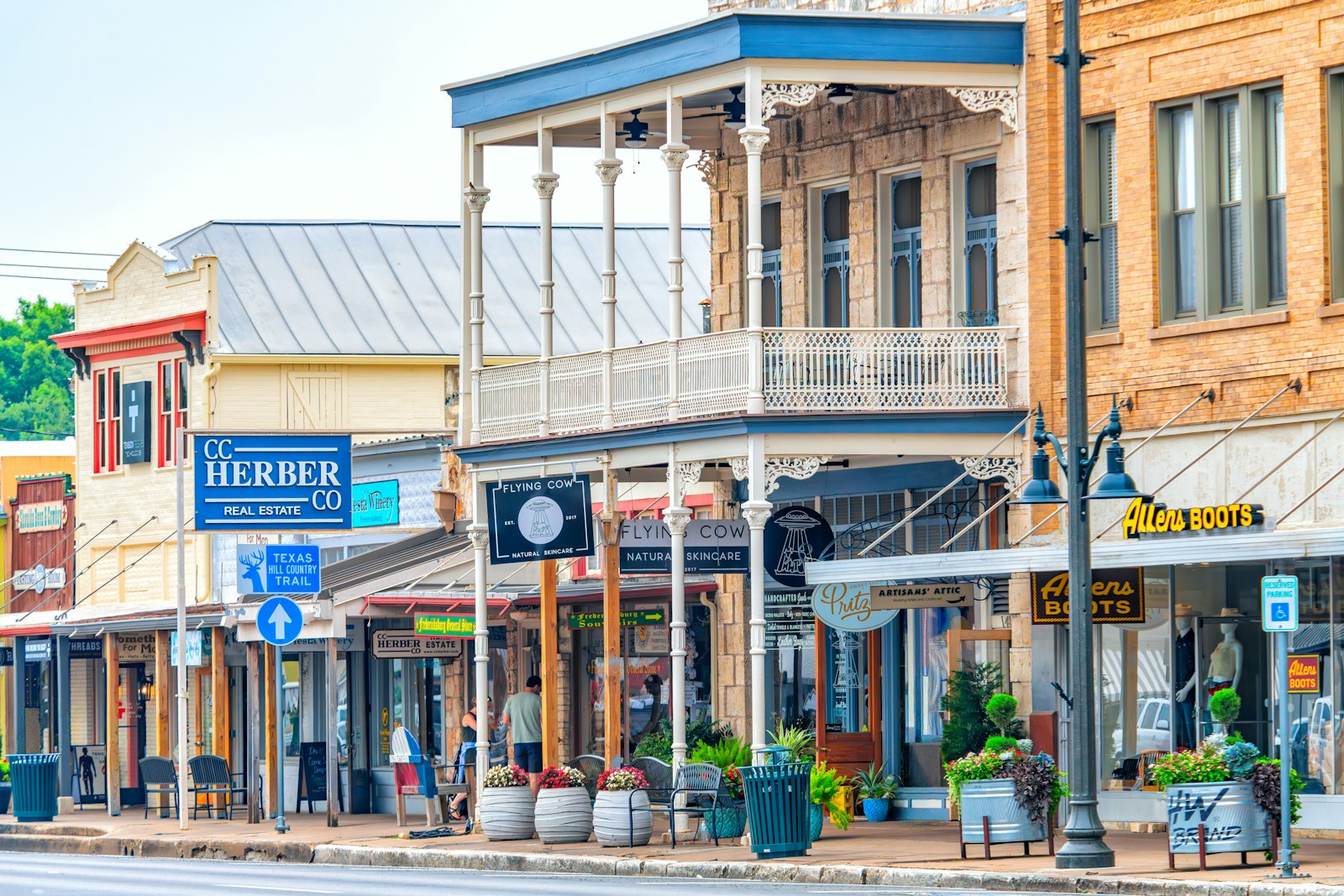
Almost every page written about these two towns is written for someone with four hours before a cruise sails. Park at the mall, drive up toward ʻĪao, photograph a plantation-era storefront on Market Street, get back on the boat.
Those pages aren't wrong. They're just addressed to someone who is leaving.
This one is addressed to someone with a lease.
Central Maui is where the island's year-round population actually lives, and it has a social problem nobody writes down: it has no evening.
The corridor is the island, and the island is not the corridor
Wailuku, Kahului and Waiehu sit on the flat isthmus between the two mountains, and between them they hold every part of Maui that never appears in an itinerary. The county offices and courts are in Wailuku. Maui Memorial, the island's main acute-care hospital, is on Mahalani Street, and Maui Health is one of the largest employer clusters in the county. The airport, the harbor, the freight, the car lots, the two big shopping centers, UH Maui College, the baseyards, the trades — nearly all of it sits within fifteen minutes of itself.
Which means the people you'd actually build a life with here are nurses, county workers, teachers, baggage handlers, electricians, dispatchers, and somebody running a two-van business off Lower Main. Not seasonal. Not leaving in April.
And yet the Maui in the photographs is forty minutes away on a coast you drive to a few times a year. You live in the working middle of the island. So does almost everyone else here, and that shared, slightly unglamorous fact is the start of the answer rather than the problem.
The five o'clock collapse
Here's the shape of the week, stated honestly.
The working day ends. Everyone gets in a car. Kaʻahumanu Avenue and Kahului Beach Road fill for about forty minutes. People drive home to Waiehu, to Wailuku Heights, to Maui Lani, out toward Pāʻia side, up to Pukalani. Then central Maui goes quiet in a way that genuinely surprises people who moved here from a mainland town of similar size.
The restaurants that define this place are lunch restaurants. Wailuku's best-known counters — the saimin and dry-mein rooms, the plate-lunch spots that have fed county workers for generations — mostly shut in the early afternoon. The malls close. Market Street has a handful of evening rooms, and they're a handful of rooms, not a district.
If your model of a social life is "something will be happening tonight," central Maui reads as empty — not because it is, but because nothing here is scheduled on your behalf.
That flips the useful hours. Mornings are the social time in central Maui, and weekday evenings are only empty if nobody names one. It's the same trap that catches new arrivals across the state, and the fix is the same one: repeat appointments beat interesting one-offs.
What already repeats here
You don't have to invent anything. Central Maui has more recurring structure than the coastal towns do. It's civic rather than scenic, so nobody writes it up.
Kahului Harbor at dawn
Hoaloha Park, fronting the harbor, is the home water for Hawaiian Canoe Club and Nā Kai ʻEwalu, two long-established outrigger clubs sharing that shoreline. Paddling is the highest-yield social structure available to an adult on this island: a season, a crew, a fixed hour, and a canoe that doesn't leave the beach if you're missing. Both run novice and recreational programs, though the calendar swings hard with the racing season — ask, don't assume.
Kanaha, once the wind fills in
The park past the airport is where the island's windsurfers and kiters live, and it's one of the few shorelines on Maui organized around residents rather than visitors. Access is regulated and signed, including restrictions on when kites can go up, so read the postings before you rig. Even if you never touch the water, the tree line and the grass at Kanaha is the closest thing central Maui has to a standing evening gathering, and the trade wind decides who's standing in it.
The county gyms
Maui County runs adult open gym at the War Memorial complex in Wailuku and at the Kahului Community Center — the sport and the night vary, and the parks department posts and revises the schedule. This is the most under-used social asset in central Maui. It's free or nearly free, it repeats, and the same twenty adults keep turning up.
Keōpūolani Park
A hundred-plus acres across from War Memorial: fields, a dog park, a skate park, walking paths, with the Maui Arts & Cultural Center on the same block. The dog park in particular does a job no other public space does, forcing the same people onto the same patch of grass at the same hour every single day.
Saturday morning at the college
The weekend market in the UH Maui College lot has run for decades and skews heavily local. It isn't shopping so much as the town's weekly appointment. Buy from the same three vendors four weeks running and you're a regular, which is an actual status here.
First Friday on Market Street
Wailuku has a recurring town party on Market Street — the street closed to cars, vendors, music, a courtyard stage partway down the block. Its cadence has changed before, so check it's running. Monthly is far too slow to build a friendship on, but it's the one night the district is unambiguously full, and it's the easiest thing in central Maui to invite a coworker to without it feeling like a big ask.
Waiehu
The municipal course out past Waiehu Beach Road carries league play and standing groups, and it's about the cheapest recurring appointment with other adults on the island. Golf works the same way on every island: the round is four hours long and nobody can escape.
Say your schedule out loud
Central Maui runs on shifts. Hospital rotations, airport shifts, resort and tour work over the hill, trades that start at six, teachers whose day ends at three and whose evening is grading. Two people can live four minutes apart and go a full year without a free hour in common, purely by accident.
So stop protecting Saturday and start naming your real hours. Three-twelves out of Maui Memorial, a ramp shift at OGG, a baseyard crew that's done by two — none of those people are free when the calendar assumes they are. "I'm off Tuesdays" is the single most useful sentence you can hand another shift worker in this town, because they're hunting for the same thing. A Wednesday morning in central Maui — the markets in the shopping-center lots, the harbor, the gym — is a completely different and far more talkative crowd than any Saturday.
The other honest note: if you've come from south Maui or you're new to the island entirely, the central corridor will feel less immediately welcoming and end up more durable. Kīhei turns over constantly. Wailuku doesn't. Families here go back generations, and the way in is narrow but real — it's the fourth appearance that counts, not the first conversation.
Nobody in Wailuku is short of neighbors — half the street went to the same school. What people here are short of is a stated time and a reason to be somewhere twice.
YKnot is built for exactly that gap: people here post plans they're already going to — a hike, a dinner, a paddle — with a spare seat, and you ask to join. It's members-only and everyone's ID-verified, so you know who you're connecting with.
See what's happening in Hawaii →
Cover photo by Land O'Lakes, Inc. on Unsplash.