
New in Hawaii
Living in Waikiki as a resident, not a visitor
Thousands of people rent here year-round. How the neighborhood actually works when it is your address, and why friendship here takes structure.
By YKnot Admin · · 5 min read
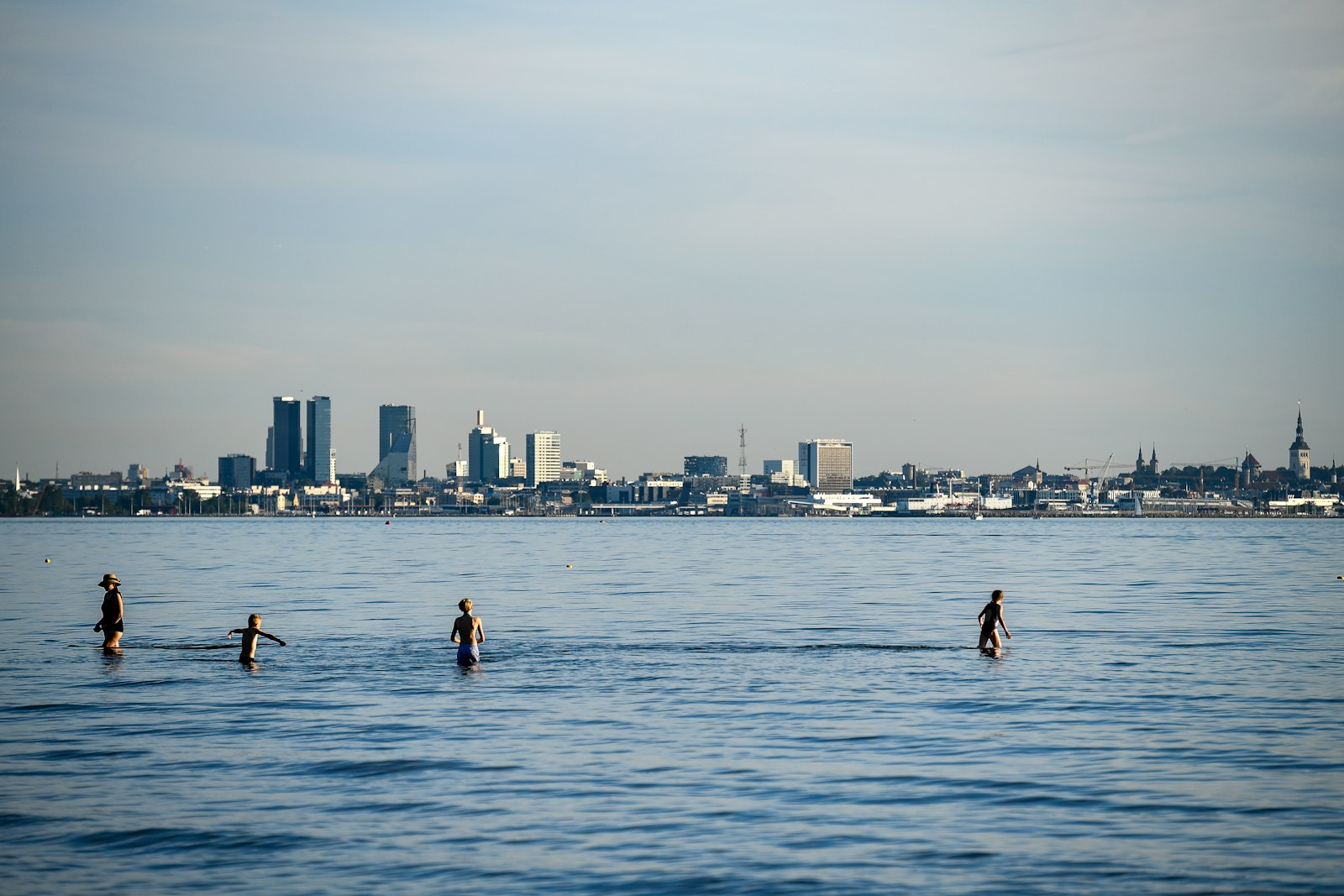
Living in Waikiki is an ordinary, rent-paying, year-round experience for thousands of people, and almost nothing written about the neighborhood is addressed to them. Search the name and you get seven-day itineraries. Three things are true of it as an address: one of the densest, most walkable stretches in the state, one of the few places in Hawaiʻi where doing without a car genuinely works, and a place engineered so that nobody has to recognize you. The third is the one that costs you something.
The resident layer starts before the beach fills
There is a version of Waikīkī that belongs to the people who live in it, and it runs from first light to about the first tour bus.
At Kūhiō Beach the water is glassy and the wall is lined with people obviously not on vacation — the same swimmers on the same out-and-back, the same benches claimed by the same crowd. Queen's and Publics have a dawn crew that knows each other's boards on sight. Around nine it becomes a different neighborhood, and if you have never used the first two hours of the day you are living in the visitor version of your own street.
The infrastructure gives that layer away. Surfboard and canoe storage along the beach exists because people in four hundred square feet keep their gear at the water, not the hallway; ask how those lists work and expect to wait. The canoe clubs launching into the Ala Wai are full of people who paddle before work and then go sell insurance — outrigger canoe paddling on Oʻahu covers a first practice.
The shops have a resident version too, one block back. Kūhiō Avenue is where the groceries, the laundromats, the barber and the plate lunch are, and the Waikīkī-Kapahulu Public Library sits on the Kapahulu edge with air conditioning and nobody selling you a sunset cruise. The hotel side of Kalākaua is a work zone, and the sooner you stop treating it as your main street the sooner this gets livable.
Why living in Waikiki makes friendship a deliberate project
Your street replaces its population every seven days, and repetition is what makes friends.
The normal engine of adult friendship is accidental repetition: the same person at the same gym, the same dog park, the same bus stop, and on the sixth time somebody says something. Here it runs one way only. You see an enormous number of faces and almost none of them see you twice, so you can be surrounded by people daily and go a year without a second conversation.
It compounds from the other side. Many of the people working the hotels and restaurants live in Kalihi, ʻAiea, Waipahu or Kāneʻohe — they commute in, work and leave, so the people you would otherwise become regulars alongside do not go home to your building. A real share of the units around you are short-term besides.
None of this is a reason to move. It is a reason to be deliberate in a way you would not have to be in Kaimukī. What works here has a fixed time attached and the same people in it twice: a class booked in blocks, a club with a season, a Tuesday-night league, a standing morning swim — the mechanism most of how to make friends in Honolulu runs on. Anything that depends on running into someone is a bonus, not a plan.
The car, the stall, and the Ala Wai
A car here is a daily problem, and it is the first thing to interrogate.
Parking in most buildings is separate from rent, limited and not guaranteed with the unit, so confirm your stall in writing before you sign. Street parking is metered, swept and seriously enforced; check the permit rules with the city, not your building manager.
Against that, you can walk to a grocery store, a pharmacy, a laundromat, a beach and a bus line, which is true almost nowhere else on this island. The Ala Wai promenade is your flat way out on foot or by bike — Ala Moana one way, Kapiʻolani the other — and the best running surface within walking distance of your door; running routes in Honolulu has the longer loops. Plenty of residents keep no car, renting one for the North Shore day.
Make Kapiʻolani Park your anchor, not the beach
The beach will never introduce you to anybody. The park will.
Kapiʻolani Park is the piece of Waikīkī that behaves like a neighborhood common. Weekend mornings bring league games on the fields, tennis courts with a waiting rotation, running groups under the trees, dog people there daily, and a bandstand worth checking the schedule of first. The people in the park mostly live here. The people on the sand leave on Saturday.
Lēʻahi, Diamond Head, sits at the end of it, and the state runs the monument with an entry and reservation system that has worked differently for residents than for visitors — the rules change, so check them with the Hawaiʻi Division of State Parks rather than an old blog post. The loop around the park's edge needs none of that, and it is the one you will do twice a week.
The tennis rotation is the clearest case. You put your racquet at the end of the line and the line decides when you play, so the same eight people spend an hour waiting together every Saturday whether or not anyone meant to socialize. Six weeks of that, on a street where nobody sees anybody twice, and you are the person three of them look for.
Density is not the problem here. Reasons to stop are. A member posts the swim, the park loop, the walk along the Ala Wai, leaves room on it, and answers the people who ask — inside a closed membership where every account has been checked against ID.
See what's happening on Oahu →
Cover photo by Margo Evardson on Unsplash.