
Things To Do
Live music and open mics in Honolulu: the rooms that let you in
Four scenes that barely overlap, why an open mic is the easiest room to enter alone, and the etiquette that turns you into a regular instead of a face.
By YKnot Admin · · 5 min read
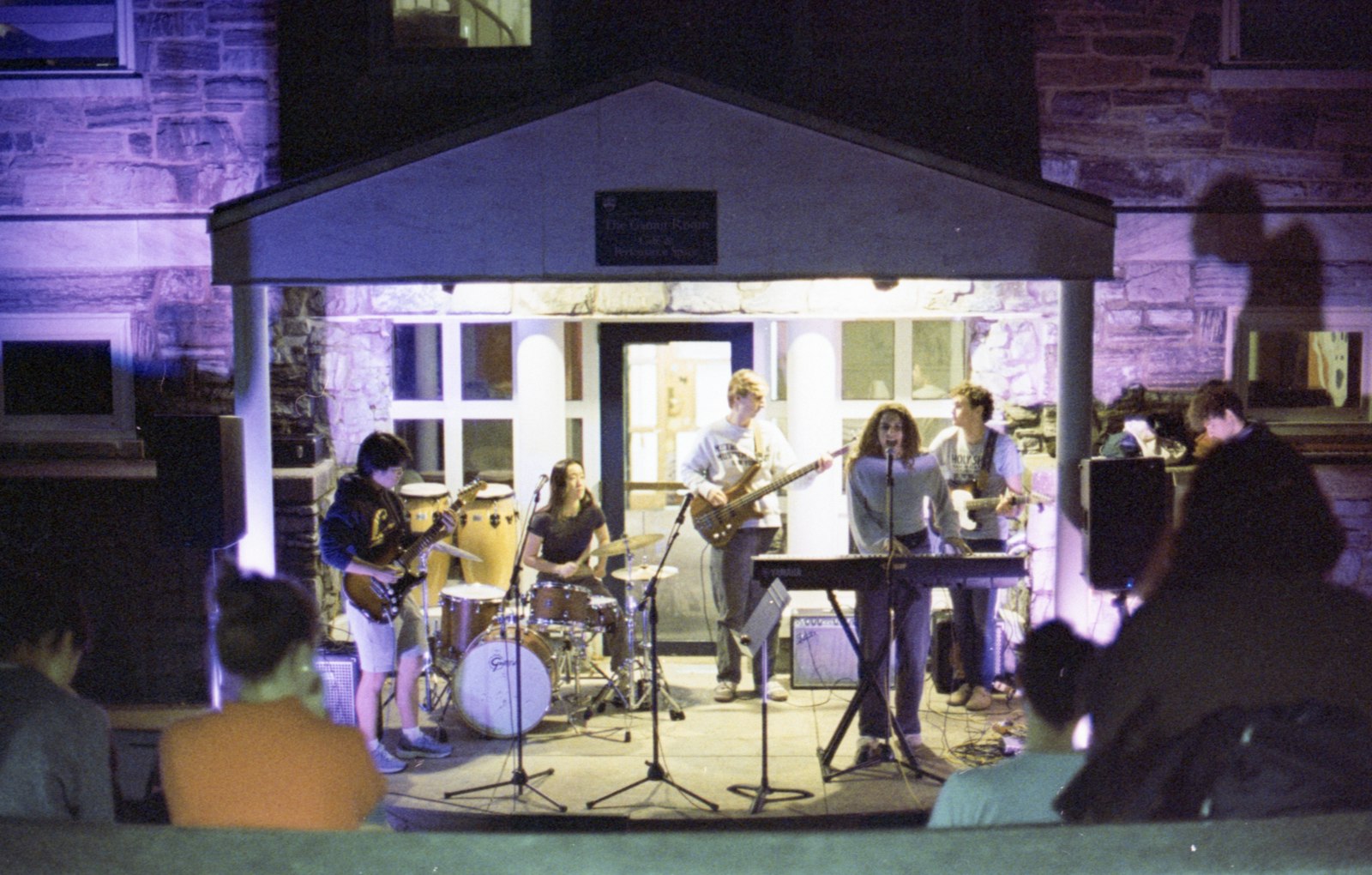
You can drive fifteen minutes on a Tuesday, hear two good sets, speak to nobody and be home by eleven. That is the usual outcome, and it is why live music and open mics in Honolulu are easier to find than to belong to. The difference between that night and a room where people know your name is not taste or talent. It is turning up on the same night repeatedly, in a room built to let you.
The layers of live music and open mics in Honolulu barely overlap
This is four scenes wearing one label, and a regular in one of them is a stranger in the rest. The first is Hawaiian music in the Waikīkī hotel lounges — slack key, falsetto, standards from musicians who have played them for decades, for an audience part visitor and part regular. House Without a Key at the Halekulani and Kani Ka Pila Grille at the Outrigger Reef have carried that format for years, though nights and performers change. The second is the bar-band layer: Chinatown, downtown and Kakaʻako, later starts, reggae and Jawaiian and covers, in rooms at least half full of people who live here — the same map as where locals actually hang out in Honolulu. The third is ticketed, Blue Note Hawaii and the Hawaiʻi Theatre, where you go for a name.
The fourth is open mics — weekly, scattered across cafés and small bars, and almost nobody's mental image of live music here. Kanikapila is not a scene at all and gets its own section below. Only that fourth layer is built to absorb a stranger, and the reason is structural.
An open mic is the most welcoming room in this city for a newcomer
The audience at an open mic is mostly the other performers, and every one of them has been terrified in that exact spot. Nobody is there to be impressed. They are there to play two or three songs, hear their friends, and go home.
The structure is the same almost everywhere: a sign-up sheet opening at a set hour, a host running the order, ten minutes or three songs each. You do not have to play — sitting at the back with a coffee is a normal way to attend, and plenty of these run in cafés, closer in feel to a karaoke room in Waikīkī than to a bar with a stage.
What the format gives you that a monthly meetup cannot is the same fifteen to twenty-five people, every seven days, in a room where the running order holds everyone in their seat until the last act. Nobody leaves after their own set unnoticed. Three weeks straight is enough. Arrive when sign-up opens, not at nine: the half hour before the first act is when the talking happens. Learn the host's name. When you compliment a set, name the thing — the bridge, the tuning, the line you cannot stop hearing — because "that was great" is what a stranger says and detail is what somebody who was listening says. Stay and help stack chairs. The marker is small and unmistakable: the host greets you at the door before you have touched an instrument.
Kanikapila is not an open mic, and the difference matters
Kanikapila is friends and family playing together, not a performance with an audience. A carport in Waipahu, a garage in Kalihi, a pavilion after a birthday when the food is done and somebody brings the ʻukulele out of the car. No sign-up sheet, no host — a circle, and whoever knows the song joins it.
You do not turn up to one uninvited. An invitation comes after months of somebody knowing you, and it arrives casually, which does not make it less of a door opening. The word is on venue signs and festival posters too; that use is real enough, but standing in a hotel bar is not the same event as sitting in that circle.
The repertoire has lineage — mele that belong to particular families, places and occasions, in a language still being taught and still being fought for. Knowing three chords entitles nobody to a seat. The honest route is the long one: a language class, an ʻukulele or slack key class, the community events you are invited to, and a lot of listening before you play. If an invitation comes, bring food, ask before you record, and do not post it. The Hawaiʻi State Foundation on Culture and the Arts is a starting point for how traditional arts are supported here.
The etiquette is short, and a room this small notices all of it
Including the parts you assume nobody clocks. Listen to the sets that are not your friends'. Do not talk through the quiet act — one person with an acoustic guitar hears every word at your table, and so does the room. Tip the musicians: the jar, the merch, the code taped to the mic stand. Buy something from the venue too, because the bar's sales are the reason the room exists. Keep to your slot. Ask before you film. Clap for the first-timer. The guitarist you talked over on Tuesday is at the same sign-up sheet next week, and so is everyone who watched you do it.
One practical note under all of it: any list of nights, this one included, goes stale. Venues close, hosts move away, an open mic turns into a karaoke night. Check the venue's page the day you go, and sort parking first — the same problem that shapes after-work evenings in Kakaʻako.
Turning up alone is easy. Coming back next Thursday with somebody is the part that stalls, and that is the narrow thing YKnot does — a member's night out, a seat on it, their call on who takes it. ID-verified membership; the address lands when they say yes.