
Things To Do
Kakaako after work, and what the five to eight window is good for
Kakaako on a weeknight is the easiest district in Honolulu to walk into and the hardest to become a regular in. How to use the five-to-eight window.
By YKnot Admin · · 5 min read
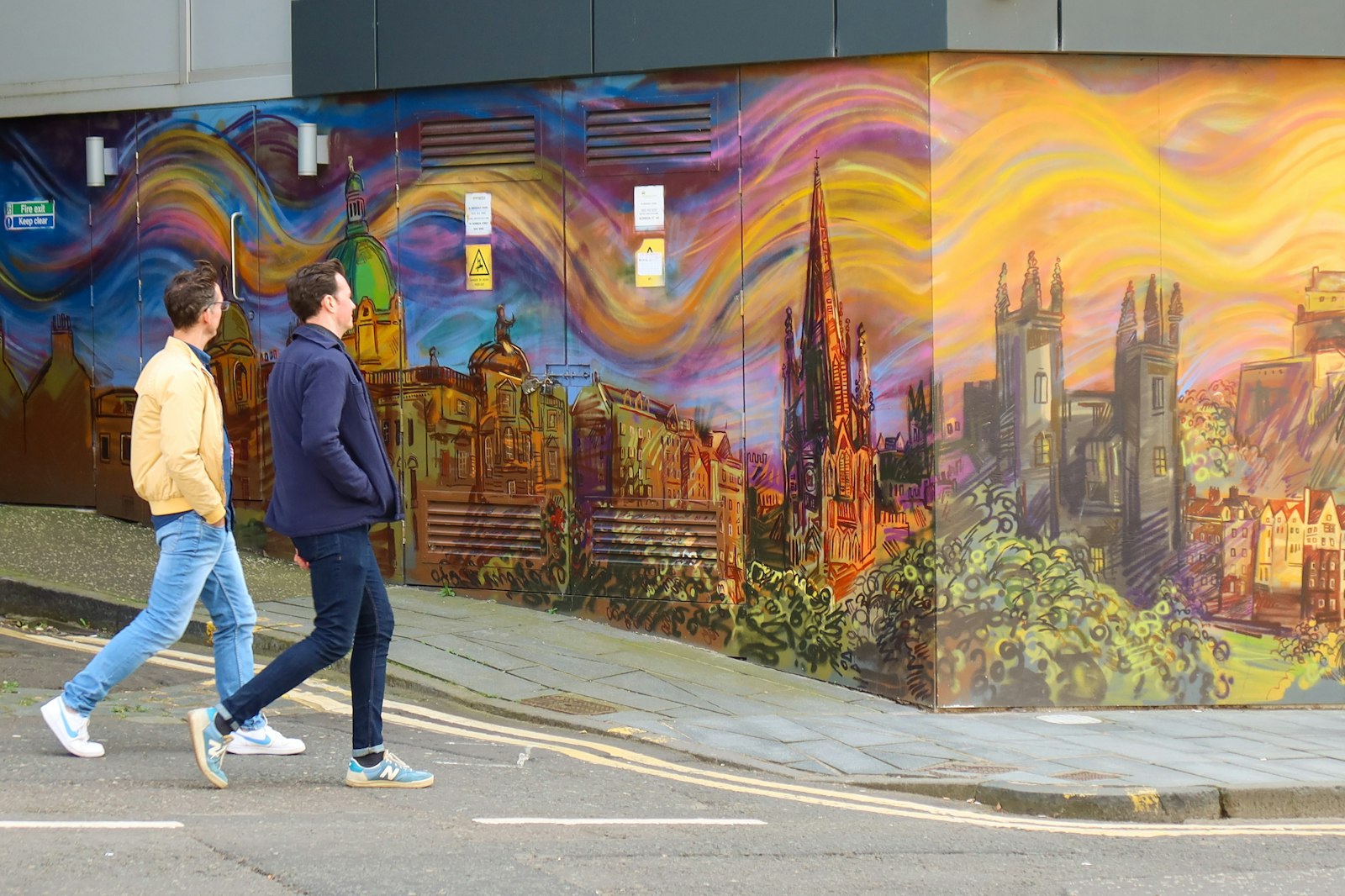
Kakaako after work is the most useful three hours in Honolulu for meeting someone, and the hardest stretch of the city to build anything lasting in. Kakaʻako empties and refills on a schedule: between five and eight on a weeknight the walls, the breweries, the food halls and the blocks around Auahi and Cooke fill with people who are not in a hurry to be anywhere. By nine most of them have driven home to somewhere else.
The newest district has the least settled social order
Everything here was built recently enough that nobody has owned a barstool for thirty years, and that cuts both ways.
In Kaimukī or Kalihi or Waipahu, the room you walk into has a history you are not part of. In Kakaʻako the room opened last year, half the crowd is also there for the second time, and nobody is going to look up when you sit down because looking up is not a habit anyone has formed. Walking in costs you nothing.
The same newness is why almost nobody here becomes a regular. No crew has been at the same table since the nineties for you to get absorbed into. The murals get repainted, the tenants rotate, the block you liked is under scaffolding, and the crowd reassembles from scratch every few months. You can go twenty times and be recognized by no one — not because anybody is cold, but because the neighborhood itself has no memory.
That is the trade. Easy entry, no accumulation. If you want a district where turning up twice registers, that is where locals actually hang out in Honolulu territory. Kakaʻako is for a different move.
What Kakaako after work looks like between five and eight
The window is narrow and it is real. Offices, the medical campus, the construction sites and the towers all let out inside the same hour, and for about three hours the sidewalks on Auahi, Queen and Keawe carry more people on foot than most of Honolulu manages all day.
The formats are worth knowing apart. A food hall is the lowest-commitment room in the city: shared tables, no host, no reservation, and leaving early is invisible. A brewery taproom holds people longer, which is what you want, and its communal benches make sitting next to a stranger the default rather than an approach. The wall-to-wall murals around SALT and the surrounding blocks are the excuse format — something to walk toward, which is far easier for two people who barely know each other than sitting across a table.
Then there is the water. Kewalo Basin and the path toward the Ala Moana side is where the after work crowd goes to do nothing in particular, and the sunset does the talking. The break off Kewalo has long been a bodysurfing spot with restrictions on boards, so read the posted signs rather than the internet. The shoreline park on the Kakaʻako side has also spent long stretches closed for work, so check its current status before you plan an evening around it — the city parks along Ala Moana and out to Magic Island are the reliable fallback, and the Department of Parks and Recreation lists what is open.
It fills with people who work here, not people who live here
The crowd is commuter, and you should plan around that rather than resent it.
Most of the people you will talk to between five and seven live in Kalihi or ʻAiea or Kāneʻohe or Kapolei and are sitting in Kakaʻako only because it is between the office and the H-1. That is why the conversation is easy — everyone is in transit, nobody has a stake — and also why it evaporates. At seven-thirty, people start doing the traffic arithmetic.
Two practical consequences. First, earlier beats later: a five-thirty arrival gets the full stretch, an eight o'clock arrival gets the thinning end. Second, the residents do exist, mostly in the towers, and they are the ones still out on a Tuesday at nine. Weeknights late and weekend mornings are when you meet someone who is actually from the neighborhood.
Turning a crowd into an actual second meeting
A busy room is not a social life, and Kakaʻako is unusually good at disguising the difference.
You will have a good hour, you will talk to four people, and you will go home with nothing, because nothing in that format produces a next time. The next time has to be named on the spot. Not "we should hang out" — a specific thing with a day attached: Thursday, a run around the basin, the same taproom, the first Friday the fireworks go off down the beach, which we wrote about in the Friday fireworks at Ala Moana.
The other thing that works is bringing a shape with you. Three people at a table who already know each other is a unit a stranger can join, and joining a unit is far easier than starting one — which is why group dinner spots in Honolulu is worth reading before you book anything.
Kakaʻako is full of people who would say yes if anyone asked. YKnot is where the asking happens: members put up plans they already have — a taproom on a Wednesday, a walk at the basin, a table for six — with a spare seat, and other members request in while the host decides who comes. Nobody is on there without ID verification, and the address follows the acceptance rather than the post.
See what's happening on Oahu →
Cover photo by Bayo Adegunloye on Unsplash.