
Things To Do
Hanauma Bay as a resident: reservations, reef rules, and the early start
How to plan Hanauma Bay as a resident: resident entry, closure days, the conservation briefing, reef and wildlife rules, and going early with a friend.
By YKnot Admin · · 5 min read
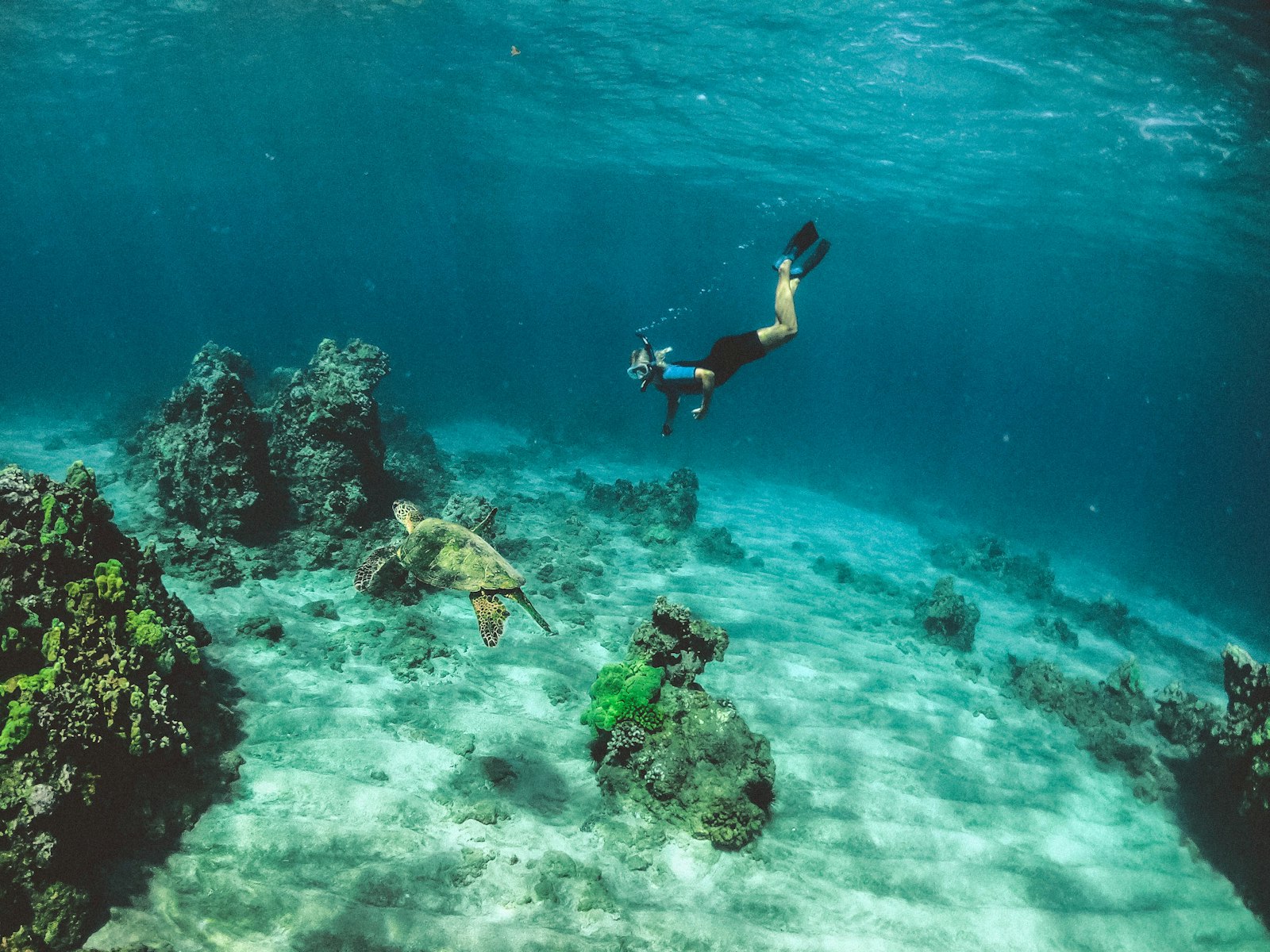
Going to Hanauma Bay as a resident is a different problem than going as a visitor. You are not squeezing it into one week here, so you can wait for the right morning — but planning Hanauma Bay as a resident still means an entry system, a mandatory briefing, and a preserve that closes on set days so the reef gets time without people in it. It is the most regulated water on the island, deliberately.
It is a preserve first and a snorkel spot second
The access rules exist because the bay was being loved to death, and once you know that, they stop feeling like bureaucracy.
Hanauma is a drowned volcanic crater with a fringing reef inside it, and in 1967 the state made it Hawaiʻi's first Marine Life Conservation District, the designation that ended fishing there. For decades anyone could still walk in, and the reef showed it: trampled coral, fish conditioned to being fed, water quality that could not keep up. Everything you do to get in traces back to that problem.
So the daily count is capped, non-resident entry runs through advance reservations, fish feeding is banned, and the preserve closes part of every week with nobody in the water. Those closures are rest for the reef, not staffing, and the difference in fish behavior afterward is visible through your own mask.
The entry system changes, so check it the week you go
Every specific about reservations, resident entry, and closures has changed at least once, so the official page is the only source worth trusting.
The whole point of doing Hanauma Bay as a resident is that you are handled differently from visitors. As of this writing, a Hawaiʻi resident with photo identification can enter during public hours without booking ahead, while non-residents reserve in advance. But the mechanics — what proof counts, when booking opens, where the entry cutoff falls — have been revised more than once. Anything a blog tells you can be a year out of date, this one included.
So do one thing: read the City and County of Honolulu's Hanauma Bay page the week you plan to go. That is where the current rules, closures, and booking live. Bring your ID; do not rely on what a friend did last summer.
Plan for the possibility that it is simply closed. Beyond the weekly closures, holidays, maintenance, and water quality all shut the gate, sometimes with little notice. Have a second beach in mind.
The briefing is not a formality
Everyone entering watches a conservation video, every visit, residents included — the shortest reef education you will ever get.
The video is not a turnstile. It tells you where the sand channels are, why standing up in the shallows is the most destructive thing a snorkeler does here, and what feeding fish did to this ecosystem. Sit through it awake.
Residents sometimes treat it as a visitor formality. It is not. What it covers is specific to this crater — the reef funnels swimmers into a few narrow sand channels, and knowing where those run is the difference between a clean entry and a fin dragged across living coral. Take whoever you invited through it with you.
Sunscreen, coral, and animals: this is law, not etiquette
The reef and the animals in it are legally protected, and the rules are enforced rather than suggested.
Use mineral sunscreen — zinc oxide or titanium dioxide — or skip it for a rash guard and hat. Hawaiʻi restricts the sale of sunscreens with certain chemical filters, and some counties go further. Do not assume the bottle in your bag qualifies.
Do not stand on, touch, or brace against coral. What looks like rock is a colony of living animals, and one foot placed badly kills years of growth. If you cannot float over it, swim back toward the sand.
Honu and Hawaiian monk seals show up here, and both are protected under federal law — harassing one is an offense, not a faux pas. Give them room, never crowd one for a photo, and get clear of the waterline if a seal hauls out. NOAA publishes recommended viewing distances; know them before you are deciding in the moment.
Early is a different bay than midday
The same water at first light and at mid-morning are two different experiences, and only one is quiet.
Early, the water is glassier, the light comes in at an angle that makes the fish legible, and the shoreline is not yet a wall of people. Later, visibility drops as the shallows get stirred up and you watch swimmers more than fish. If you already get up for a sunrise hike, this is that discipline pointed at the water.
Parking enforces the same lesson. The lot is finite, and once it fills you are circling or driving home. The early start is not only about clarity in the water — it is about getting in at all. Check the preserve's current entry window before you set an alarm.
Go for the fish, not the convenience
If what you want is easy snorkeling, Hanauma is the wrong answer; if you want fish density and real protection, nothing else on Oʻahu is close.
A resident who just wants to get wet has better options — quieter shorelines, no gate, no briefing, decided twenty minutes ahead. Plenty of locals make that trade. Doing Hanauma Bay as a resident is worth the process a few times a year, not every weekend. What you get in exchange is the protection: more fish, less skittish, in a sheltered crater where a beginner sees plenty without a boat.
Because the preserve is open only part of the week and the good water is early, it forces you and whoever you invite to commit to one specific morning — the friction that keeps loose "we should snorkel sometime" talk from evaporating. Put the plan up with the morning you picked, share the spare seat in your car, and let someone nearby claim it. For a regular partner in deeper water, the same instinct applies to finding a dive buddy; if the bay is closed the weekend you are free, there is plenty else going on. Check the schedule, then be in the water before the lot fills.
Cover photo by Subtle Cinematics on Unsplash.