
Things To Do
Haena State Park reservations and what the end of the road asks of you
Haena, Kee Beach and the Kalalau Trail run on advance booking and a shuttle, and residents are treated differently. What to check with the state first.
By YKnot Admin · · 5 min read
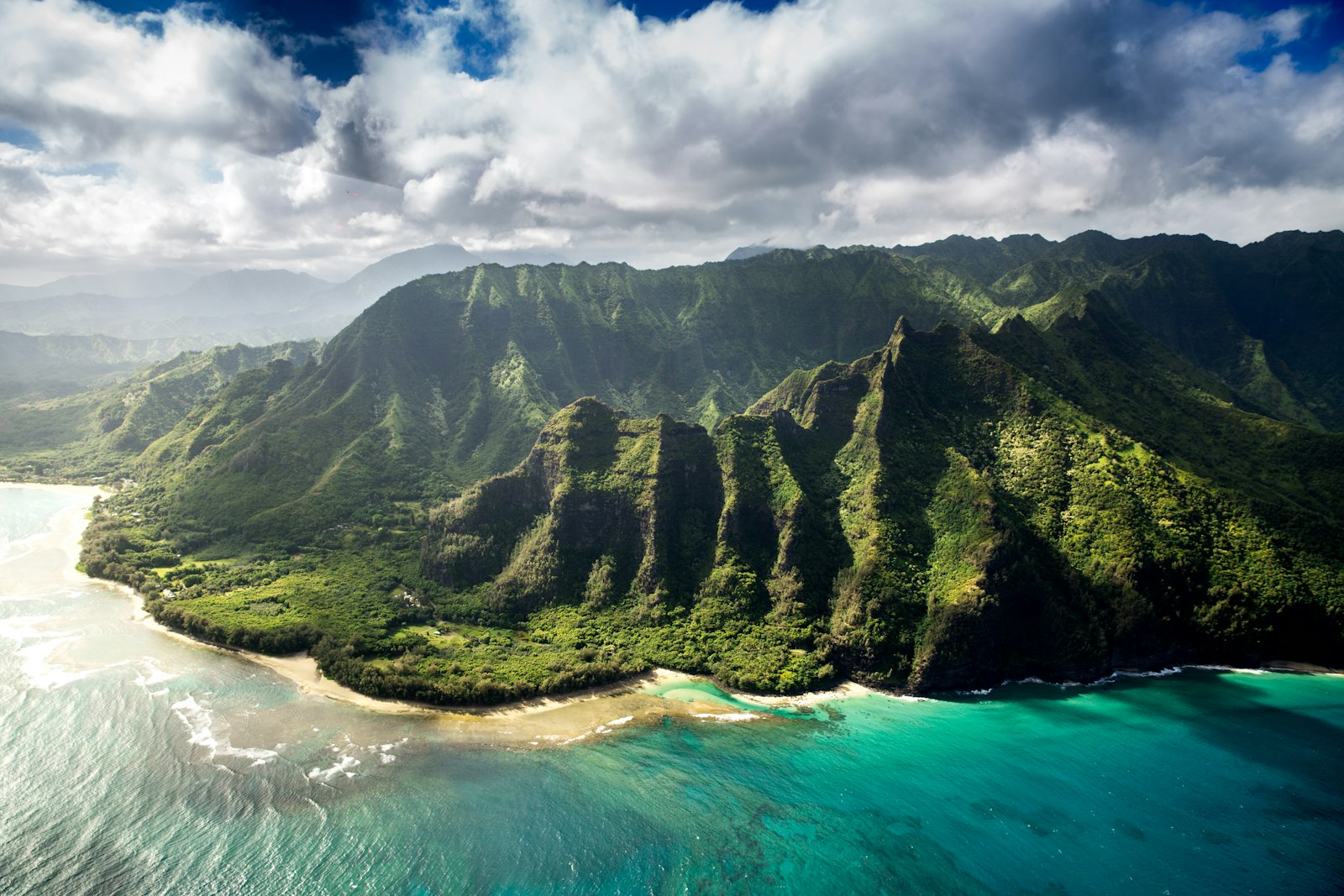
The drive past Hanalei ends at a gate, and Haena State Park reservations are what opens it. Haena State Park reservations are the difference between a morning at Kēʻē and a long turn-around in front of people who booked weeks ago. Entry, parking and the shuttle are separate bookings, and the details have moved since the park reopened, so treat what follows as the shape of the system, not a rule to carry out the door.
The system exists because the old arrangement broke
Access at the end of the highway got rationed because the road could not carry what was arriving.
For years you drove until you could not drive, then parked on whatever shoulder was left: cars on both sides of a road with one-lane bridges, people in the travel lane, residents unable to get home.
Then the north shore flooded, the highway was cut, and the park stayed shut for more than a year. It reopened with a plan the community had spent years writing: a daily cap, a booking system, and a shuttle so the number of bodies is not the number of cars. Enforcement has teeth: the people worst affected by the old free-for-all live past the gate.
Get the details from the state, not from anybody's memory
Haena State Park reservations are not one booking but several, and people mix them up.
Entry is one thing. Parking inside the park is separate and scarcer. The shuttle, which picks up outside the park, is a third way in, and it changes what else you need. People book one, assume it covers the rest, and learn otherwise at check-in.
On top of that is the trail, which leaves the park and runs up the Nāpali coast with its own rules past a certain point. So: go to the state before you go to the coast. The Division of State Parks publishes the current arrangement for Hāʻena State Park — what is required, what is closed, how far ahead the window opens.
Read that page the week you plan and again the night before. Day-use slots open only so far out, and after a serious storm the park can close outright and the booking goes with it. A reservation is not a promise the gate is open.
A day hike to Hanakāpīʻai is not the Kalalau Trail
Confusing the walk to the first valley with the full trail is how people end up where they have no permit to be.
The trail out of Kēʻē reaches Hanakāpīʻai first. Most people who say they did Kalalau walked to that valley, turned around and came back; the side trail up to the falls is day use too. Continuing along the coast past Hanakāpīʻai is a different legal status: it needs a Nāpali Coast camping permit from the state, and going past that boundary without one is a citation.
The ground past that valley is harder, more exposed and further from help. If your plan is the day hike, say so out loud to everyone coming — including the friend quietly expecting to keep walking.
Say the hazards plainly
The beach at Hanakāpīʻai has a long drowning history, and the stream behind it can rise under a clear sky.
That beach is not a swimming beach with bad luck. There is no lifeguard, the bottom drops away, the current pulls out along a coast with nowhere to be pushed to, and people have died there often enough that the warning sign keeps a tally.
The stream is the other one. Rain in the interior, invisible from the coast, arrives as brown water in a channel that was ankle-deep when you crossed it — which is how people end up stranded on the far side with the light going. The trail itself is narrow and exposed in places, and turns to slick red clay in minutes.
None of that makes it a trail to avoid. It makes it one where you check the forecast and the posted conditions, turn back when the stream is up, and accept that the valley decides when you leave. If nobody in your group has walked anything like it, start with the beginner hikes on Kauaʻi.
Kamaʻāina access is a real difference, not a rumor
Hawaiʻi residents are handled separately in the Haena State Park reservations system, and it turns on carrying a Hawaiʻi ID.
As the state has it now, residents with a valid Hawaiʻi ID are not held to the visitor day-use booking — but resident spaces are limited and first-come, which means an early alarm anyway. It is not a blanket exemption either: camping up the coast needs its own permit, and shuttle seats are still booked.
The specifics have moved before, so the only version worth acting on is the state's current one. Two mistakes run opposite ways: the visitor who never realizes residents are handled differently, and the resident who assumes the exemption stretches further than it does.
The date weeks out is what makes the trip happen
Committing a group to a specific morning weeks out is a nuisance, and the only reason the plan stops being theoretical.
Everyone knows the version where four people agree they should hike Nāpali sometime, and sometime never arrives. A held slot kills the vague part: the invitation becomes something a near-stranger can answer — not "we should hike sometime," but "I have Hāʻena booked, leaving Kapaʻa early, one seat."
So do not waste that seat; somebody is refreshing the page for that morning. If you would rather go with someone you have already hiked with, that is what finding someone to hike or paddle with is for; the same problem has a Maui version in the parks you have to reserve. Book it, confirm with the state the night before, share the spare seat, and let the weather have the last word.
Cover photo by Braden Jarvis on Unsplash.