
How YKnot Works
What Makes a Good Plan on YKnot
A good plan on YKnot is something you were already doing with room for one more. Here is how hosts write a line that actually fills.
By YKnot · · 5 min read
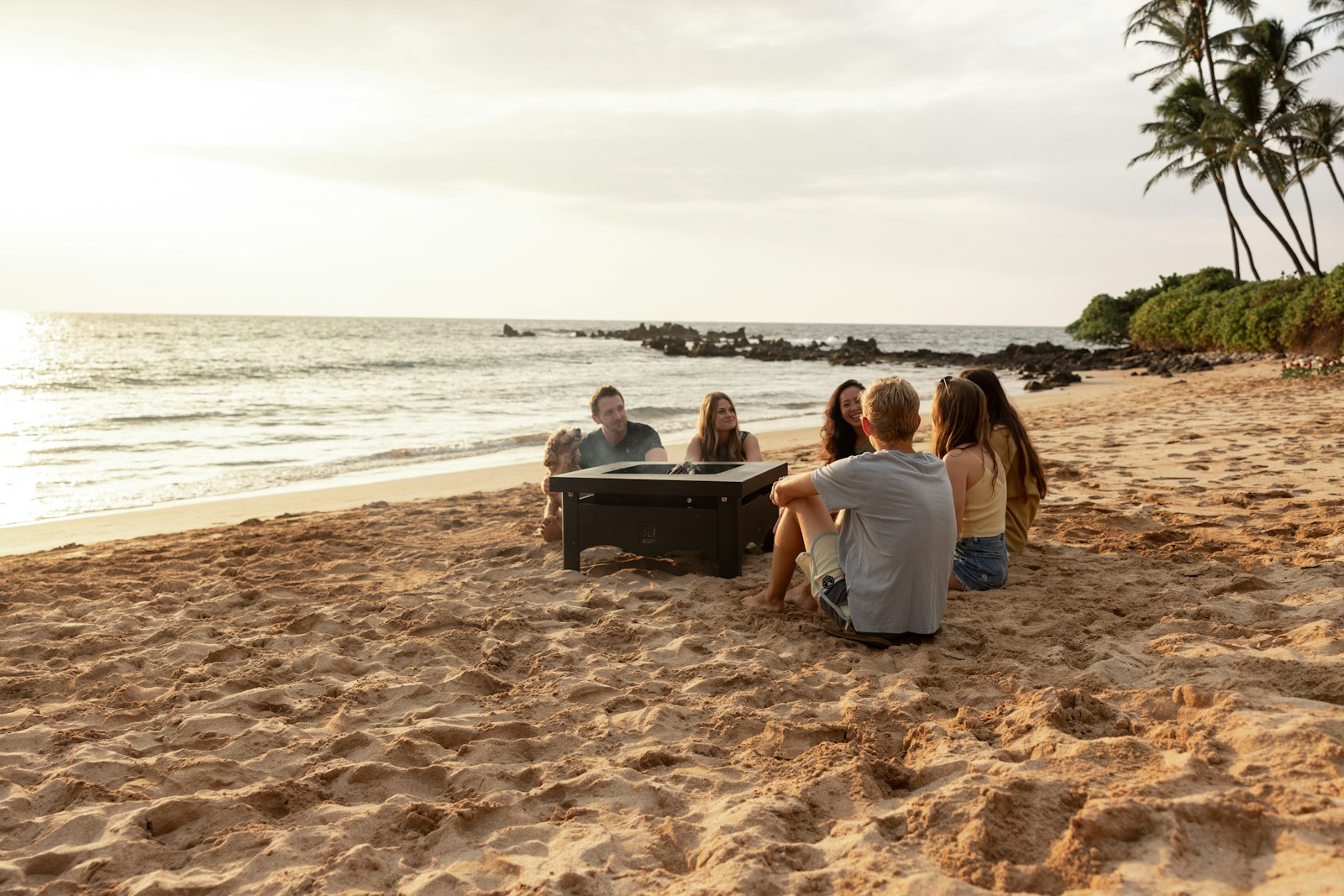
A good plan on YKnot almost never starts with a blank page. It starts with your actual Saturday, your booked table, your standing surf session — something already happening that has room for one or two more people. The lines that fill fastest are the ordinary ones, written clearly enough that a stranger can picture themselves standing there.
What makes a good plan on YKnot
A line is a plan that already exists with the spare seats opened up. The dinner reservation for four when only three of you are going. The hike you do every weekend anyway. The court time you already paid for.
You post it, nearby members ask to join, and you choose who comes along. That framing changes what you're writing. You're not producing an event. You're describing something that is happening whether or not anyone else says yes, and leaving the door open.
Start from something you're already doing
Look at your real week before you write anything. What's on it? Coffee Saturday morning. A run around Ala Moana. Dinner in Kaimukī on Thursday.
Plans invented from scratch tend to sag, because nobody has a stake in them. Plans that were already yours have momentum. If nobody joins, you still go — and that quiet confidence comes through in how you write the line.
Be specific: place, rough time, what it is, how many spots
Vagueness kills a line. "Anyone want to hang out this weekend?" gives a reader nothing to say yes to. Four details do the work: where, roughly when, what it is, and how many spots are open.
Written out, good lines look like this:
- "Sunrise at Lanikai Pillbox, Saturday 5:45am, 2 spots"
- "Table for 4 at a Kaimukī ramen place, Thursday 7pm, 2 spots"
- "Dawn patrol at Canoes, Sunday, 1 spot, bring your own board"
- "KCC farmers market run + coffee, Saturday 8am, 3 spots"
- "Pickup volleyball at Ala Moana, Sunday 4pm, 2 spots"
Notice how short they are. Each one tells you the vibe, the effort level, and what you'd need to bring. A reader can decide in about three seconds, which is exactly what you want.
Low stakes beat big commitments
A coffee walk fills faster than a full-day trek. That's not a knock on the trek — it's just that a stranger is deciding how much of their Saturday to hand to someone they haven't spent time with yet.
An hour is easy to say yes to. Eight hours in a car is not. If you want a bigger adventure, open a small line first and grow from there.
Say who it's for
One line of context saves everyone the awkward guesswork. "Beginners welcome." "We're in our 30s." "Kids ok." "Easy pace, we stop for photos." "Bring water, it gets hot fast on this one."
This isn't gatekeeping. It's helping the right person recognize themselves in your post, and helping the wrong person scroll on without anyone feeling bad about it.
It stays your plan
You are not obligated to accept anyone. Requests come in, you see who's asking — verified members with real profiles — and you say yes or no.
Say no freely. A line with one good person in it beats a line with four you weren't sure about. Hosting should feel like adding a friend of a friend to dinner, not running a public event.
Sort details in chat, then go offline
Once you accept someone, in-app chat opens up and it's free. Use it for the boring, useful stuff: the exact spot, parking, what time you're actually leaving, whether their shoes are fine for this.
Then close the app. Chat exists to get everyone to the same curb at the same time — the point is the thing you do afterward, in person.
Asking is free, and hosts never earn
Asking to join a line is free, and so is the seat if you say yes. What filters out spam and the person who says yes to nine plans and attends none is that everyone is ID-verified and nobody can have more than a handful of asks waiting at once — so a request you get is one somebody chose to spend.
Hosts never earn a cent from it. That's deliberate. Nobody on YKnot has a financial reason to fill seats, so a line is only ever posted because someone wanted company.
What not to post
- Anything that reads like a gig, a tour, a class, or a service you're providing
- Sales pitches, promotions, or "come see my thing" posts
- Anything romantic-only — YKnot isn't a dating app
- Plans so vague nobody can tell what they'd be showing up to
A few tips
- Post two or three days ahead. Same-day lines work, but people need runway.
- Name the actual place, not "somewhere in town."
- Say what to bring — board, water, cash for the market, closed-toe shoes.
- If it fills, open it again next week. Repetition is how a regular crew forms.
- Respect the ʻāina: pack out trash, stay behind barriers, reef-safe sunscreen near water.
Keep reading
New to all this? Start with How YKnot Works in Hawaii. For plan ideas that reliably fill, steal one from The Best Sunrise Hikes on Oahu or Oahu Farmers Markets: A Local's Guide.
Make it a plan
You don't need a better calendar to host well — just open the one you already have. Pick the next thing on it, write the place, the time, and the spots, and let a couple of verified neighbors come along. Worst case, you do the thing you were doing anyway.
See you out there. 🤙