
Things To Do
Finding a hiking partner on the Big Island, where the drive is half the day
This island punishes going alone and punishes going unprepared with a stranger. How to vet a hiking partner, set a turn-around, and check conditions first.
By YKnot Admin · · 5 min read
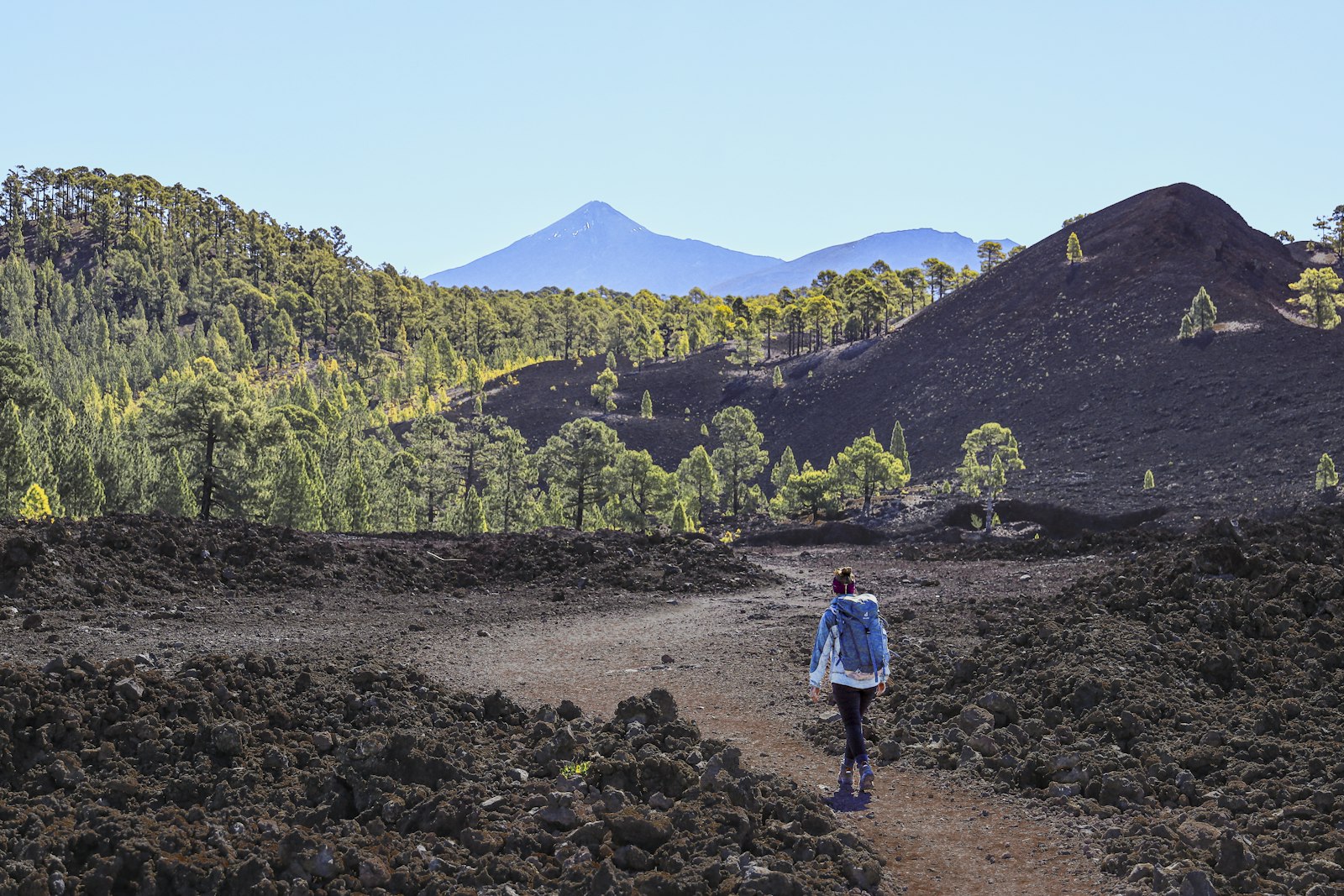
You can drive for two hours on this island and still be on it. That scale is exactly why finding a hiking partner on the Big Island is a different problem than finding one anywhere else in the state: the trails are far apart, the ground changes from rainforest to bare lava in twenty minutes of driving, and a Friday-night flake costs you a tank of gas and a 4 a.m. alarm, not just a wasted morning.
You are not short of places to walk. You are short of one other person who is free, honest about their pace, and still answering the phone when you pull up.
Hawaiʻi Island is not Oʻahu, and the difference is exposure
On Oʻahu the bad day is a muddy ridge an hour above a road. Here the bad day is six miles out on black rock with no shade and not enough water.
Lava is the part people underestimate. Old ʻaʻā flows will open a knee through a pant leg, pāhoehoe hides holes under a crust that looks solid, and on a clear afternoon the rock throws heat back at you from below. No canopy, no stream to top up from on the dry side, and no landmark that looks different from the last one. On open flows the trail is a line of stacked ahu, and in flat light they get hard to pick out at a distance.
Elevation is the other one. You can leave Hilo in shorts at sea level and be above 6,000 feet on the Saddle inside an hour, in wind and twenty degrees colder. Kona can be bright while the windward side is socked in. The forecast for the town you live in has almost nothing to do with the trail you picked.
A wrong turn here does not cost you a detour, it costs you a walk-out in the dark, and coverage on the Saddle and in the backcountry ranges from patchy to nothing. None of that argues for staying home. It argues for a second person who knows what you agreed to do.
How to vet a hiking partner on the Big Island
"Pretty active" is not information. Make them give you a number.
Say yours first, in a form a stranger can measure against: the last hike you did, how much you stopped, what you carry, what you will not do. Then ask theirs. If somebody cannot describe a trail's footing when they claim to have done it this year, they did not do it this year.
Three questions worth asking in a message rather than in a parking lot:
- How much water are you bringing? On lava, on the dry side, in the middle of the day, the answer should make you raise your eyebrows. Somebody planning on a single bottle is telling you how the day ends.
- Who else is coming, and who is driving? On this island "we'll just drive separately" can mean two cars starting an hour apart from opposite coasts. Settle the meeting point and the vehicle before you are standing at one.
- What do we do if it closes in? A partner who has already pictured the walk back in rain is one to keep.
Meet somewhere public first if you have not met at all. The rules for meeting anyone new do not stop applying because the plan involves a trail. Make the first one together short, marked and well traveled — you are not testing the hike, you are finding out whether you like being tired around each other. The same sorting problem on the other island is covered in finding a hiking partner on Oʻahu.
Agree a turn-around time, then tell a third person
Set a clock time, not a destination. "If we are not at the rim by ten, we come down anyway."
People get into trouble because they were nearly there. A turn-around fixed in advance takes that decision away from the version of you that is tired, hot and invested — and here the walk out is long and the light goes quickly once it goes.
Then text somebody who is not coming: the trail name, who you are with, the car, and when you expect to be back. Text them again when you are out. The second message is the one everyone forgets and the only one that decides whether anybody starts making calls that night.
Check conditions the week of, not the month before. Closures inside Hawaiʻi Volcanoes National Park change with volcanic activity, gas levels and ground cracks, and the park posts current alerts and closures on its official site. Whatever is erupting is not an outing: where it is safe to be is decided by the park and the county, not by a road somebody posted about, and it is not the plan to take a stranger on. Elsewhere, verify the trailhead yourself: gates that lock at dusk, small lots that fill before sunrise, access rules that have been rewritten more than once in recent years. If the trail is off, there is no shortage of other things worth doing on this side.
Mauna Kea is not a hike you invite someone on
Leave it off the list of things you propose to a stranger.
The mountain is sacred to Native Hawaiians and its use is genuinely contested; it is not scenery with a parking lot. It is also a real physical risk — the road climbs from sea level toward 14,000 feet fast enough that altitude sickness is ordinary rather than unlucky. Whatever your own relationship to the place, it is not the outing you use to audition a new partner. Pick something at a sane elevation, with a trail on it.
The trail was never the hard part. On YKnot, members post the hike they are already doing — distance, pace, start time, how many seats are spare — and you ask to join. The host chooses who comes, everyone on there is ID-verified, and the trailhead and meeting time come through once you are in.
Hawaiʻi Island is the newest ground for it. Most of the members and most of the plans are on Oʻahu today, so nothing is waiting for you here — which means the first Saturday hike posted on this island is going to be somebody's, and it may as well be yours.
See what's happening in Hawaii →
Cover photo by David Cerini on Unsplash.