
Things To Do
How to find a board game group on Oahu when you already own the games
You already own the games. Here is how closed tabletop groups actually form, how seats open, and how to be the person they invite back.
By YKnot Admin · · 5 min read
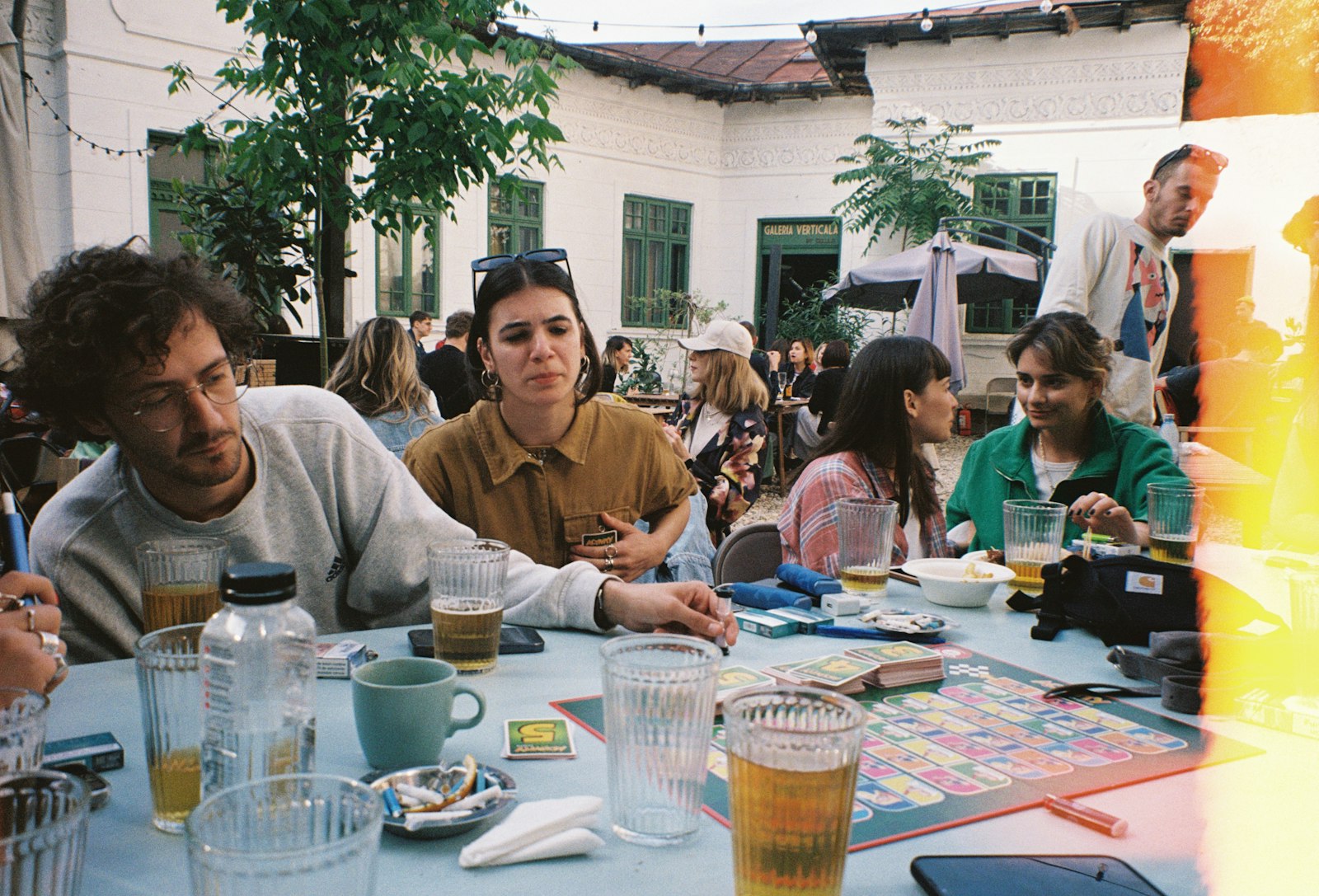
You have the shelf. What you are missing is four people who will sit at the table on a weeknight, and finding a board game group on Oahu is a different problem than finding a place that hosts games. Venues are the easy part — shops run open play, the tables are there, the schedule is posted somewhere. The hard part is the five or six people who text each other about what they are bringing next time, who remember you hate hidden-role games, who start the night already knowing the rules.
Open play and a closed group are not the same animal
An open-play night is a room; a group is a roster.
Open play is the front door, and it is a good one. Somebody clears the tables, a shelf of games comes out, and whoever shows up plays with whoever else showed up. Nobody has to vouch for you to sit down. Open play tends to land on a weeknight, and schedules shift around holidays and tournaments, so check the shop's own page before you drive out. The venue side of this is covered in board game nights in Honolulu.
What most people actually want is the other thing. A group of five or six that meets once or twice a month, in somebody's apartment or on a lānai, where the games run three hours because nobody has to be taught the rules again. That group has a text thread. It has a person who always brings the heavy euro nobody asked for. You do not walk into it. You get pulled in.
Groups do not recruit, they replace
A seat opens when somebody moves away, has a baby, or picks up a shift that eats their evenings — and it gets filled from the group's own contacts before it is posted anywhere.
That is the honest mechanic, and it explains why searching feels fruitless. Nobody sits down and decides to expand. What happens is the player count drops to four, the game everyone wanted needs five, and somebody says at the table, do you know anyone. One person thinks of a coworker, that person gets a text, and the vacancy never becomes a listing.
So the goal is not to find the group. The goal is to be the name somebody thinks of when that question comes up. Be boringly available where tabletop people already are: open play, the conversation at the shop counter, the trivia nights in Honolulu crowd, which overlaps more than you would expect.
Offer to teach, not to join
The fastest way into a board game group on Oahu is to be the person who can teach a game in ten minutes without making anyone feel stupid.
Most tables have a rules bottleneck. Somebody bought a game, read half the rulebook, and it has sat in shrink ever since because teaching it is work. Showing up and saying I know this one, I will run it, is a far stronger position than asking whether there is room for one more.
Teaching well is learnable. Explain the goal first, then the turn, then the exceptions as they come up — not the rulebook front to back. Let the first round be slow. Never say it's easy, you'll get it, because the person who does not get it hears something else entirely.
Bring games that seat five or six and finish inside ninety minutes. First time out, you want something that ends while people still want more.
What gets you invited back
Reliability beats skill every single time.
The people who get asked back confirm the day before, arrive when they said, and text early when they cannot make it instead of going quiet. That is most of it. A group with a flaky sixth stops planning around the sixth, and once that happens you are out of the group whether or not anyone says so.
The rest is table manners. Be a good loser, out loud and fast — the person who sulks after a knife in the back costs everyone the rest of the night. Do not coach other players on their turns unless they ask. Bring something: a bag of chips, a game nobody has seen. Help stack the boxes at the end.
The first group may not be your group
A weekly commitment you resent is worse than a monthly one you look forward to.
You may find a table of heavy-strategy players when what you want is party games and talking, or the reverse. That is not failure, it is information, and it is fine to play a few nights and drift. Plenty of people who end up in a group they love tried two or three first, and the same pattern runs through how to make friends in Honolulu — the first thing you try is a sample, not a verdict.
Distance filters harder than taste here. A seven o'clock start in town is one commitment from Makiki and a different one from Mililani, and the group you keep is the one whose drive home you do not dread.
If nothing fits, start your own board game group on Oahu and keep it small. Some public library branches have a meeting room you can book — neutral ground when you are not ready to host strangers at home; the Hawaiʻi State Public Library System lists which branches have one, and the rules vary by branch, so ask before you plan around it. Then put the plan up on YKnot the way you would tell a friend — two seats open, teaching a worker-placement game, bring nothing — and let nearby members ask to join. Posting is free, joining is free, and you are committing to one evening, not a standing appointment. Do that three times and you will know who to text about the fourth.
Cover photo by Lawrence Chismorie on Unsplash.