
Things To Do
Camping on Oahu Starts With a Permit, Not a Weekend
Camping on Oahu runs on permits, closure nights and a group that plans ahead. What to sort out first, and how to split the work fairly.
By YKnot Admin · · 5 min read
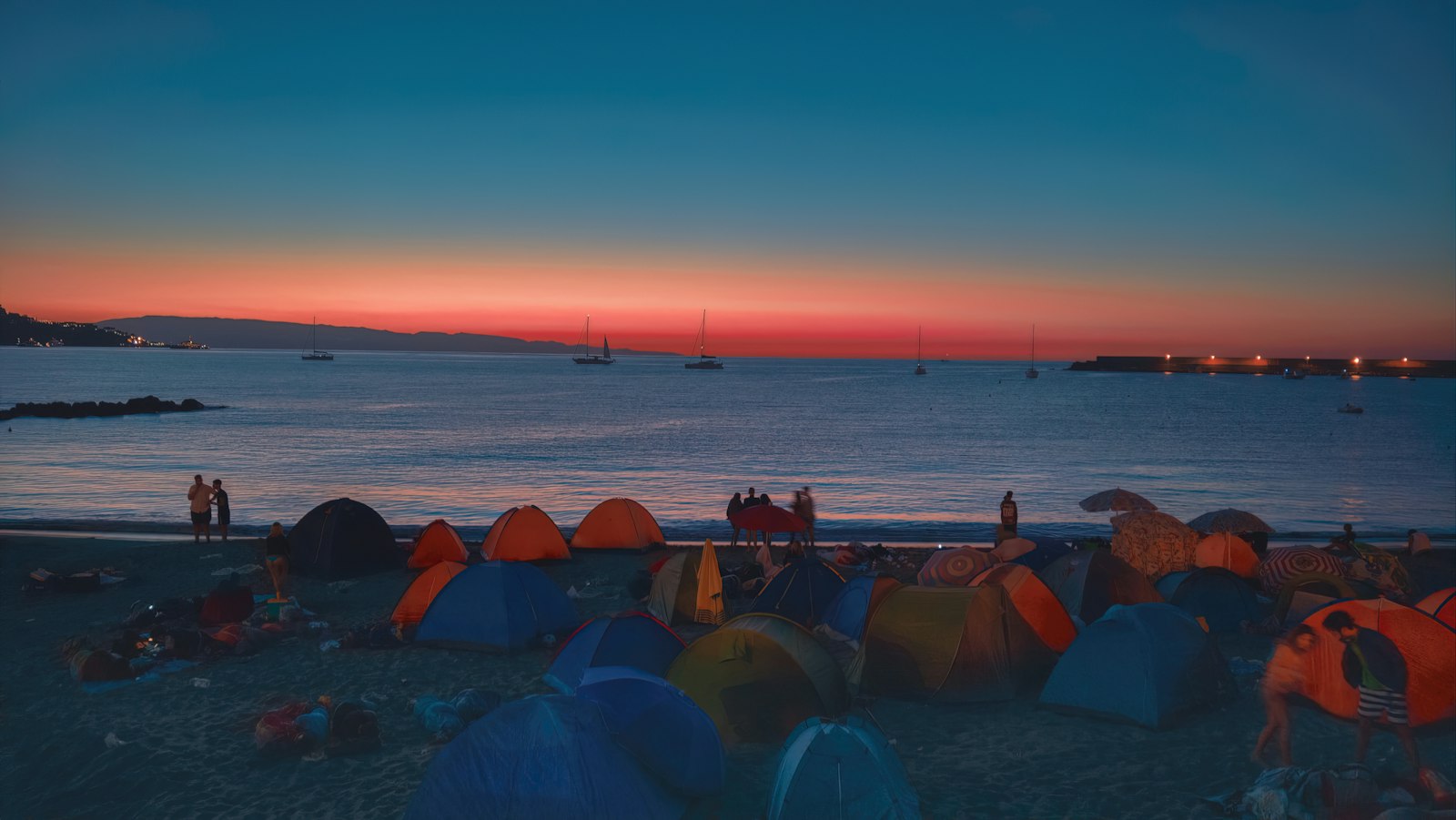
Camping on Oahu is not a spontaneous thing, and that trips up almost everyone who moves here from somewhere with a first-come, first-served campground down the road. Camping on Oahu runs on permits, on calendars, and on a group that agreed to a date weeks ahead of time. Nearly all of that friction is paperwork. Once you know which agency owns the site you want and how its permit system works, the rest is gear, food and deciding who drives.
County and state sites are two separate systems
Before you do anything else, find out whether the campsite you want belongs to the City and County of Honolulu or to the State of Hawaiʻi.
They are not one system with two front desks. They are two authorities with separate permits, separate booking platforms, separate rules about how many nights you can stay, and separate ideas about what counts as a group. A permit from one is worth nothing at a site run by the other. People show up holding the wrong paperwork more often than you would guess, usually because a friend said it was easy and the friend meant a different park.
So the first question is not where you want to camp. It is who runs that place, and the boundaries are not intuitive from a map. Look the specific site up, confirm the managing agency, and start from that agency's own permit page. The state's Division of State Parks page for Oʻahu camping is the right starting point for state sites, and the county maintains its own separate system for county parks.
The permit is the schedule, not a formality
Campsites here are closed to camping on fixed nights every week, in both systems, and that closure is a hard constraint on when your trip can happen.
The closures run on a set weekly cycle rather than site by site, which means the nights you had in mind may simply not be bookable anywhere. You are not choosing a date and then finding a park. You are finding a park, seeing which nights it is open, and building the plan around that.
Sites also do not open for booking whenever you feel like planning — each system has its own window that opens a set number of days before the date, and the popular windward and North Shore spots can go quickly once it does. The trips that actually happen are the ones where somebody claimed responsibility early, which is the same logic behind making friends after a move here — it runs on someone deciding a date and telling people.
Rules, closure schedules and permit platforms all change. Check the county and state parks authorities directly before you commit to anything, and check again close to the date.
Beach camping here is not the postcard
A night at a windward or North Shore beach park is the classic version of camping on Oahu, and it is windier, sandier and colder than anyone expects.
The trades come across the water and they do not let up after dark. A tent that is not staked properly will move. Anything light that is not weighted down will end up in somebody else's site. Sand gets into your sleeping bag, your food and every shoe, and there is no version of this where it does not.
It also gets genuinely cool at night on the windward side, cooler than a full day of sun prepares you for. People bring a sheet and regret it. Bring a real sleeping bag or a heavy blanket, and plan on waking up early, because the sun on a beach park does not negotiate.
The reason people keep doing it is not complicated. You wake up a few steps from the water and the light comes up over the ocean. Pair it with a slow morning up the coast and you have most of a North Shore day trip already built.
Nobody camps alone here, and that is the appeal
Camping on Oahu is inherently a group activity, which makes it one of the best plans on the island to share.
The whole shape of it — hauling gear, cooking over one burner, sitting around after dark with nothing scheduled — assumes more than one person. Solo is possible. It is also a lot of carrying, and the night goes quiet early.
That is exactly why it works as a way to meet people. A campsite gives you the long unstructured hours a coffee or a hike never quite does. If you have the permit and room for two more, put the plan up and let people ask to join. Sharing the spare seats in something you were already doing is a lower bar than building a trip around strangers.
Split the jobs before anyone packs a car
One person on the permit, one on food, one on gear — agreed out loud, in advance.
The difference between a good trip and a resentful one is almost never the weather. It is four people assuming somebody else brought the stove. Name the permit holder, name whoever plans meals and shops, and name whoever owns the tents, cooler, water jugs and lighting. Write it where everyone can see it.
Money and food follow the same local instincts as any shared meal here — you bring more than your share and nobody keeps a ledger. The same unwritten rules that govern a potluck apply at a campsite, just with sand.
And when you leave, the site should look better than it did when you arrived. That is not a platitude here. These are small parks under heavy use, shared by families who have camped in them for generations, and the site you hand over is the reputation of everyone who camps. Pack out more than you brought in, break down what you built, and leave the fire ring clean.
Cover photo by Giuseppe Famiani on Unsplash.