
Things To Do
How to get into a pickup game of beach volleyball on Oahu
How to get into a pickup game of beach volleyball on Oahu: reading the court, asking in, how got-next works, and the etiquette that gets you invited back.
By YKnot Admin · · 5 min read
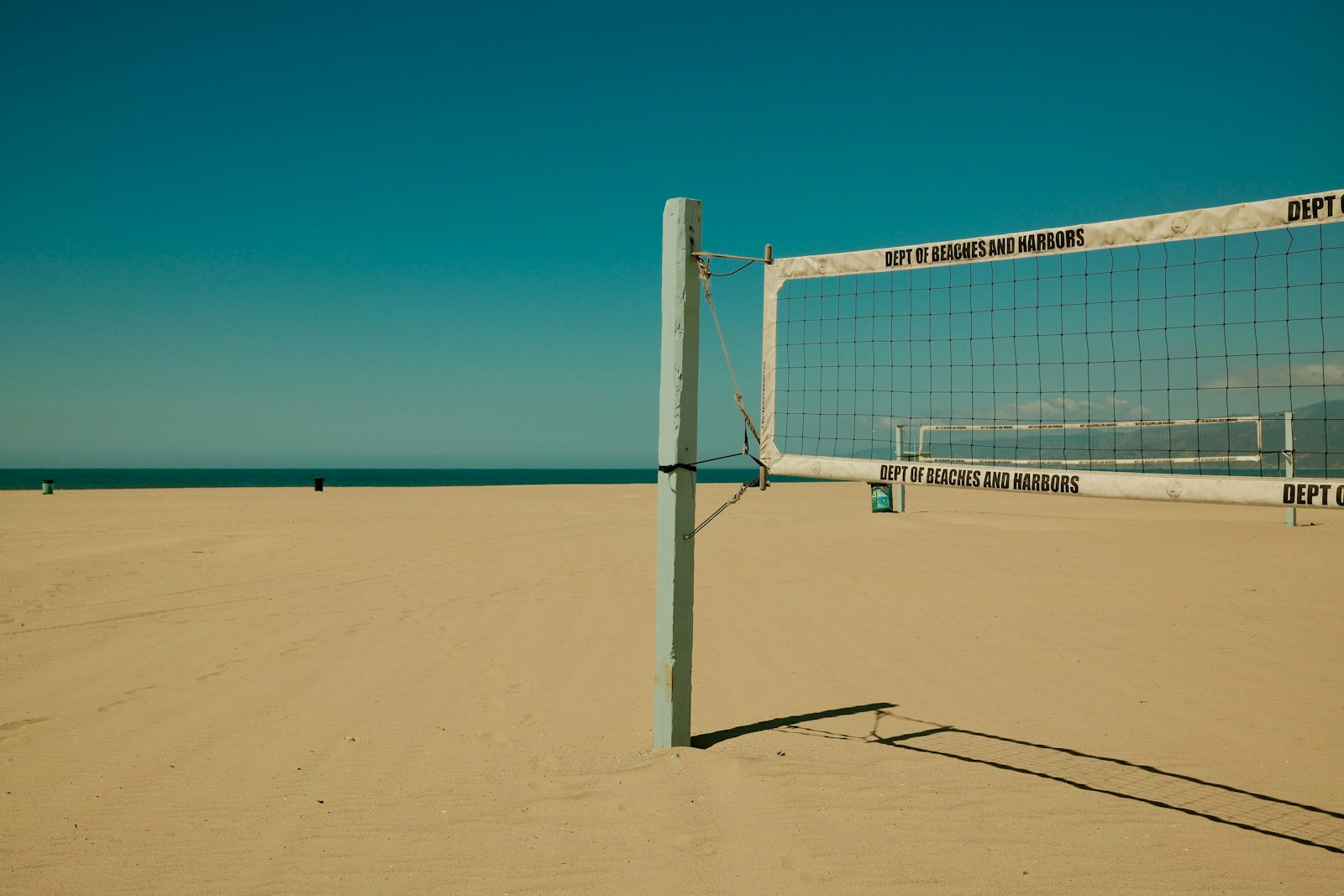
Beach volleyball on Oahu is one of the easiest ways to spend three hours with strangers and leave with numbers in your phone. It is also the thing most people watch from thirty feet away and never join, because beach volleyball on Oahu looks closed from the outside once a game is running. It is not. Sand courts turn over constantly, pairs break up and reform between games, and most of the regulars you are watching started the way you would — walking up alone with a towel.
Read the court before you open your mouth
Whether you can ask in is decided by one thing: is a game running, or are people still warming up?
Warm-up looks specific. Two or three people peppering back and forth, nobody keeping score, balls rolling loose, someone still taping a finger. That is your window. Walk to the edge of the sand where you can be seen and say you are looking for a game. Most of the time that is the entire negotiation.
A game in progress looks different — score called before every serve, people sitting on their bags at the side. Those are the ones to talk to, not the players. Wait for the point to end, then ask. Interrupting a rally to introduce yourself is the one move that marks you as brand new, and the wait is rarely long.
"Got next" is the entire queueing system
Sand courts run on a verbal queue nobody writes down, and the phrase that puts you in it is "got next".
Winners hold the court, the losing side rotates off, and whoever called next steps on. You ask "who's got next?", then say "we got next" after them. There is no list, just people remembering the order, and they are good at it.
The honest opening that follows is where newcomers slip. Ask what level they are playing, then tell the truth about yours. "I've played two seasons indoor, I'm bad in sand" is a useful sentence, and it is usually true — sand punishes footwork that worked fine on a gym floor. Overstating your level buys you one game and no second invitation.
Turning up alone is the normal way to do it
Pairs form on the sand; you are not expected to arrive with one.
Doubles needs exactly one other human, the lowest partner requirement in team sport. Most of the pickup sports circuit here needs a full roster of people to agree first. One short of even numbers is a problem the whole court wants solved, and you are the solution walking up — which is why beach volleyball on Oahu is easy to enter cold.
It also makes this one of the few activities where turning up alone is an asset rather than something to explain — which matters when you are building a circle from zero.
Grass and indoor are the other two versions
Same sport, three surfaces, three different crowds, three different rhythms.
Grass is played with bigger teams than sand — fours and sixes are both common — is easier on the body, and skews toward mixed-ability and family crowds. It clusters around tournaments and whichever fields are in decent shape, so it comes and goes in a way sand does not. Indoor is the structured one — gyms and rec centers, leagues with rosters and standings, often tied to school calendars. You join a team rather than wander in.
Sand has no real off season, which is why beach volleyball on Oahu is where most people start. It answers to wind and daylight; afternoon wind turns a good court into a lottery, and mornings are steadier. Park hours and court availability change, so check with the Honolulu Department of Parks and Recreation before you build a morning around one park.
The etiquette that gets you invited back
Call your own faults, shag your own ball, do not coach, and do not spike at a beginner.
There is no referee, so the whole thing runs on self-officiating. Call your own lift, your own double, your own net touch — especially the one nobody else saw. That habit does more for your standing on a court than a good jump serve. Shag your own ball: serve it into the next court and you go get it. If a ball from another court crosses yours, call "ball on", stop the point, and send it home.
Do not coach. A partner you met nine minutes ago is not looking for notes on their platform angle. And do not hit hard at someone clearly new — put a roll shot into the open sand instead. It is the instinct that keeps a surf lineup workable at a beginner break: the better player adjusts.
Consistency beats skill, and the gear is almost nothing
A reliable average player gets asked back more often than a brilliant unreliable one.
The regulars have a thread, and what fills it is not talent — it is who shows up when they said they would. A mediocre player who is there most weeks becomes furniture inside a month. A good one who flakes twice stops getting told when the game is.
The gear list is short enough to be a joke. Sunscreen, reapplied, because sand reflects and you will stay longer than you planned. Water. A hat for the sidelines. You play barefoot, so there is nothing to buy. Bring a ball if you own one — an outdoor ball, softer and larger than the indoor kind — because someone's is always losing air.
The other half is saying the time out loud in advance. On YKnot that is the whole move: put up the morning you are already headed down to the sand, leave the spare seat open, and let a nearby member ask in. Two people with a ball is already a game.
Cover photo by Raja Patel on Unsplash.