
New in Hawaii
The honest guide to when friends visit you in Hawaii
What really happens when friends visit you in Hawaii, and how to host them without losing your vacation days, your car, and the friendship.
By YKnot Admin · · 5 min read
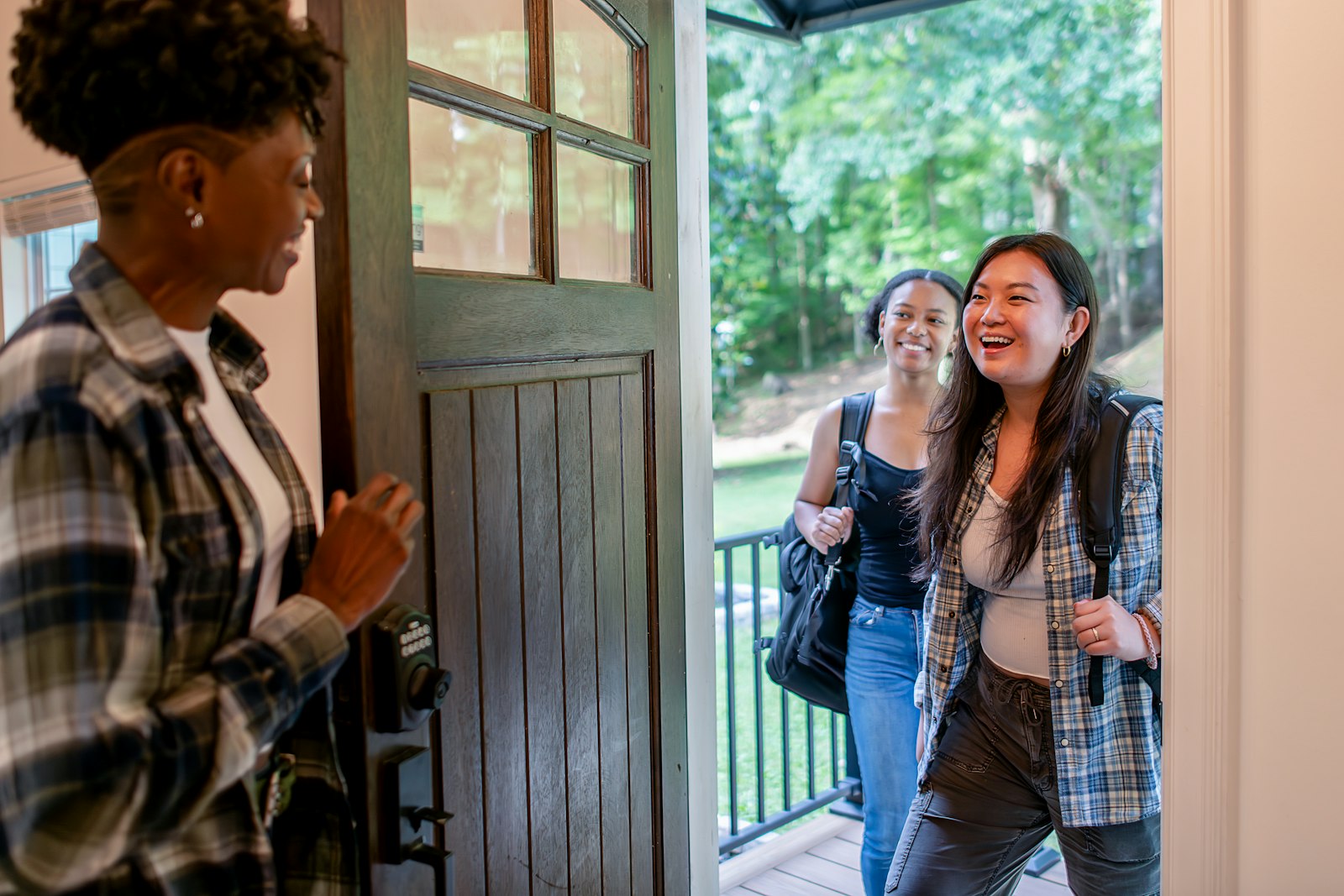
Nobody warns you about when friends visit you in Hawaii. Somewhere in your first year here you learn that when friends visit you in Hawaii you stop being a person with a job and become a hotel, a rental car, a tour guide and a short-term loan, all in one week. Everyone on Oʻahu ends up on this side of it eventually, and almost nothing gets written from that side.
"You should visit!" is not an invitation
The sentence you say at a mainland party to be warm is the sentence other people write down.
You say it the way you say "we should get coffee." They hear a standing offer with no expiration date, and six months later a text arrives that is not a question: flights booked, dates set. The gap is not malice: they have probably never lived somewhere people fly to on purpose.
To them it is a nice surprise; to you it is your house, your car, your evenings and a lot of driving, arranged without you in the room. So say the second half out loud: come in the spring, I'll have a weekend free, you'd stay in the guest room. That turns a warm feeling into a real offer with edges, and edges keep resentment out.
Ask what kind of guest is coming, before they book
There are two kinds of visitors, and the only way to know which one is coming is to ask before the tickets exist.
The first books their own room, rents a car, has a list, and wants you for dinner twice. The second arrives with an empty calendar and the assumption that you are the plan. Both are fine; confusing one for the other wrecks the week.
Ask early, in a text you can both scroll back to. Where are you staying? Are you renting a car? Which days do you want me? People answer honestly before money is spent and get defensive after. Put your own limits in the same message: you work weekdays, you can take one day off, you are around evenings. In week one that is information. On day three it sounds like a complaint.
One day off and two evenings is a complete visit
You do not owe anyone your entire vacation allowance because they bought a plane ticket.
Your paid time off is finite, and it is the only way you ever leave this island. Burning five days of it so a college roommate can see a waterfall is a slow way to resent someone who did nothing wrong.
Take one day and make it the good one — drive somewhere real, swim, eat, talk with no clock — then add two evenings. That is a full and generous version of hosting.
The economics are worth saying plainly: when friends visit you in Hawaii, the cost is time and house, not money. Airport runs, laundry, the guest room that was your office, the hum of being responsible for someone's good time. Nobody sends a bill, which is why it is easy to overspend.
Hand them a list of things they can do without you
The most useful thing you can give a visitor is a short list of things that fill a day and do not involve you at all.
Most of the strain when friends visit you in Hawaii comes from the empty hours. Write this list once and reuse it. Four or five mixed options: a hike they can do alone, a public beach with real parking, the art museum or a library branch, a farmers market morning. Some should be free things to do on Oʻahu and some things that are not the beach, because rain happens, and so does sunburn.
Two cautions. Reservation and permit rules change, so point them at the agency rather than your memory; the Hawaiʻi Division of State Parks is where to check before they plan a morning around a gate that now needs booking. And the ocean is not scenery — shore break, current and wind decide the day, and a visitor cannot read any of it. Lifeguarded water, and ask the lifeguard.
Bring them into your ordinary week, not onto a tour
Your guests came for the postcard, and what they end up remembering is the unremarkable part.
They want the Hawaiʻi that exists in photographs, and you have a life of errands, a regular swim, a potluck and the same few people most weeks. The instinct is to perform a tour and hide the normal parts; do the opposite.
Bring them to what you were already doing: the pickup game, the weekend paddle, a friend's barbecue. Let them meet your people and see where you actually hang out instead of where a search result sent them. It also keeps your own week alive. On YKnot your plans stay yours — you put the plan up, share the spare seat, and your visitor is a guest at your life instead of the reason you canceled it.
Say no in one sentence, then protect what is left
A no that arrives early and plainly costs a friendship nothing; a resentful yes costs it a lot.
"I can't do that day, I'm working" is a complete sentence. So is "that's too far for me this trip, but I'll meet you after." You do not need a reason stacked on a reason, and a smaller yes in the same breath stops most pushback.
Then remember why you are bothering. Long-distance friendship is texts and a birthday call, and it thins out; a few days in the same room, cooking badly and arguing about directions, is the one thing distance never gives you. So put the hard parts in writing in week one, take your one day, and spend it badly on purpose — swim until you are hungry, and let the itinerary die in the car.
Cover photo by Land O'Lakes, Inc. on Unsplash.