
Things To Do
Photography walks in Honolulu, and why a camera makes people easier to meet
Four walkable routes with real subject matter, the etiquette that keeps you welcome, and why a camera is an easier first hang than dinner.
By YKnot Admin · · 5 min read
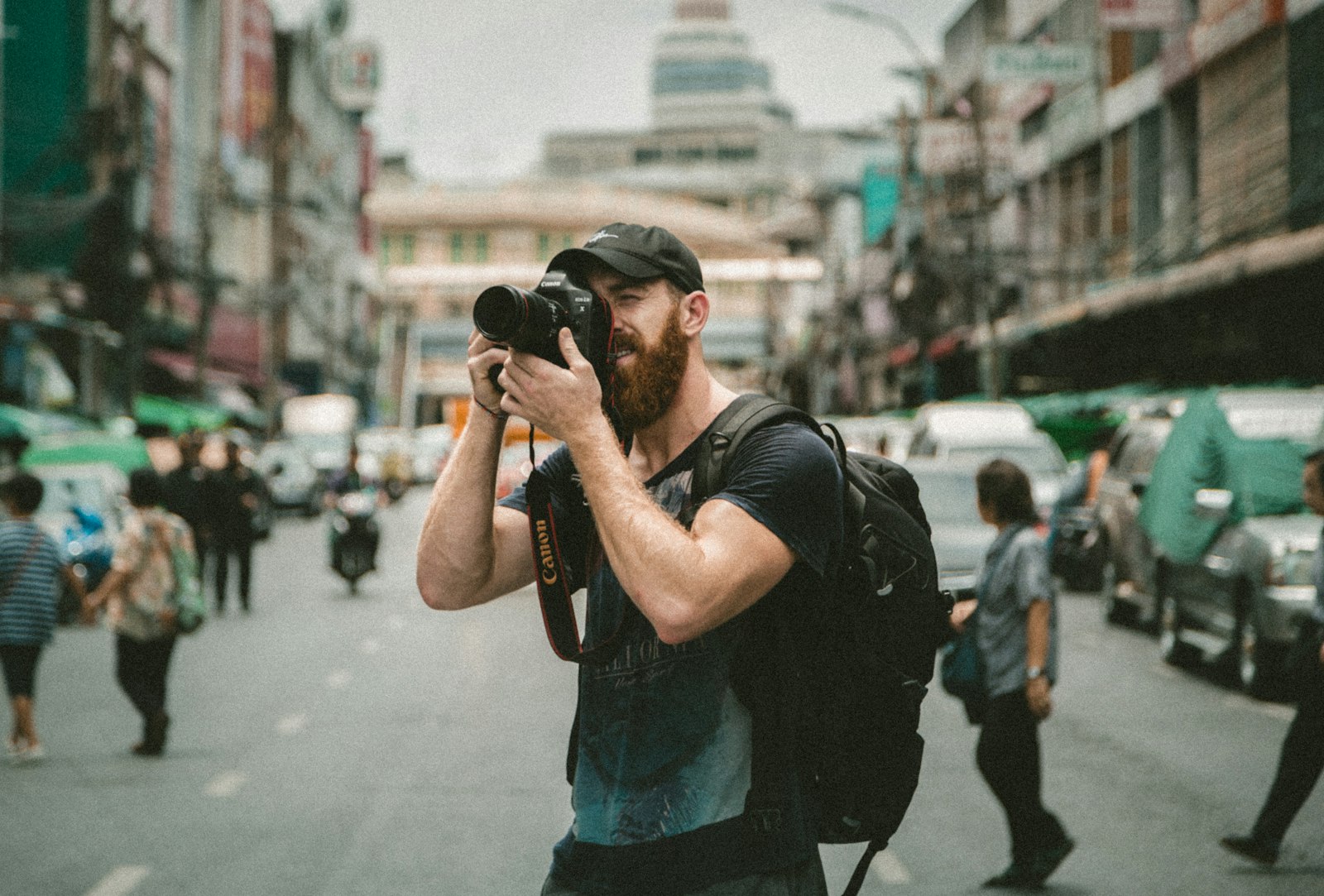
The useful thing about photography walks in Honolulu is not the photographs. It is that a camera gives you a reason to be standing on a corner in Chinatown at seven in the morning, a reason to say something to a stranger, and — if you bring one other person — a shared task that carries three hours without either of you having to be interesting on demand.
That last part is the whole argument. Dinner is an interview with food. A walk is two people looking at the same thing and comparing notes, and the silences in it are working silences rather than the other kind.
A camera is a reason to be somewhere
Adults lose the thing that made friendships easy: a fixed reason to be in a public place doing something visible.
School had it. So did a team, or a job where people ate lunch together. What replaces it for most of us is an errand and a screen. A camera puts the reason back — you are not loitering, you are waiting for the light to come around the building — and it gives other people a legible excuse to talk to you, which is the harder half.
It also fixes the beginner problem. You need a route, a time, and the willingness to come home with forty bad frames and two you like. Most of the other things to do on Oʻahu that are not the beach ask for equipment, money, or a skill floor. This one asks for a phone and an alarm.
Four photography walks in Honolulu with actual subject matter
A route with nothing in it is just a walk, and you will not go twice.
Chinatown, early. The market blocks around Kekaulike and Maunakea are working at their hardest between about six and nine, when the fish is being laid out and the lei shops are stringing. Light comes down the cross streets in hard slots. After nine it thins out and you are photographing your reflection in a closed roll-up door. Park once and walk the grid. The same blocks are a different subject entirely during First Friday in the evening — crowds, neon, no daylight.
The Kakaʻako walls. Dense, high-contrast, repainted around the annual mural festival, which means a wall you loved last year may be gone and something better is two doors down. Good for beginners: the subject holds still and the color does the work. Cooke, Auahi and the alleys between them will fill an hour.
Kewalo Basin at the end of the day. Boats, rigging, reflected light, and the surf break just outside the channel. It is one of the more forgiving sunset spots on Oʻahu because there is something in the foreground when the sky does nothing. Check the actual sunset time for the date before you commit a drive — the U.S. Naval Observatory publishes sunrise and sunset by date and location — and get there forty minutes early, because the ten minutes after the sun is down are usually the good ten minutes.
The airport side, for planes. The Keʻehi Lagoon area and the shoreline parks near Lagoon Drive put you under approach and departure paths with water in the frame. Bring the longest lens you own, stay out of service roads and off anything fenced, and check posted parking and closing hours at the park itself — they change.
The etiquette matters more here than the gear
Photographing people badly is how a neighborhood decides it does not want photographers.
Ask first. In Chinatown, that means asking the shopkeeper before you shoot into their stall, and it means putting the camera down when someone says no instead of getting the frame anyway from across the street. A lens pointed at someone's workplace reads as surveillance until you speak, and then it usually reads as interest. The ask costs four seconds.
Stay out of private property, including the inside of a shop you have not asked about and any yard or lot you have to step over something to enter. At the harbors, give fishermen a wide berth — do not cross a line, do not stand where your shadow lands on the water in front of them, do not photograph someone's catch without a word.
And treat cultural sites as sites, not backdrops. Heiau, fishponds, walls and stacked stone are not props: do not climb them, do not move or stack stones, do not stage a portrait on one. If there is a sign, the sign is the rule. If there is no sign and you are unsure, the answer is to photograph it from where you are standing and leave it alone.
Two people with cameras talk more than two people at dinner
A shared task is the best social technology there is, and photography is the cheapest version of one.
The mechanics are simple. You walk at different speeds, so you separate and rejoin every few minutes, which means the conversation restarts instead of running out. You each see something the other missed and have to point at it. At the end there is a natural second act — coffee, or somewhere cheap to eat — that nobody has to propose as an event, because you are already standing outside together holding cameras.
Make the first one short and near where you both are. Chinatown to coffee, ninety minutes. Say the meeting point, the time, and when you are leaving. If you have not met the person before, meet somewhere public, get yourself there and back, and tell somebody else where you are going and when you expect to be done. If it worked, the second walk plans itself: whoever had the better route last time picks the next one.
Every route in this piece is better with one other person holding a camera, and that is the part you cannot solve alone. YKnot is where members put up the walk they were already going to do — route, meet time, how long they will be out — with room for somebody else in it. You ask; they pick. Everyone on there has cleared ID verification, and the exact corner to stand on arrives once you are accepted.
See what's happening on Oahu →
Cover photo by Jakob Owens on Unsplash.