
Moving to Molokai: everybody already knew you got here
On Molokai the problem isn't that nobody notices you. Everybody noticed the week you arrived. An honest guide for people moving here for work or family.
By YKnot Admin · · 7 min read
Most advice about landing somewhere new in Hawaiʻi assumes your problem is invisibility. You arrive, people are pleasant, nothing compounds, and you spend a year being warmly ignored. That is the Honolulu problem.
Molokai hands you the opposite problem. By the end of your first week, people you have never spoken to know your name, which house you took, what you drive and who you work for.
Around seven thousand people live on this island. You are not anonymous here and you are not going to become anonymous. So the newcomer question is not how do I get noticed. It is what people decide about you once they have, and how long you stay the outsider in a place where nearly everybody else is connected by blood, marriage, homestead or the same graduating class. The standard relocation advice is useless against that.
The town is a few blocks, and that is the whole town
Kaunakakai holds roughly half the island's residents, and its commercial life is essentially one street. Ala Malama Avenue runs a short stretch of storefronts — the public library, the grocery, the bakery, county offices — and then it simply stops. There is no mall and no big-box store. The island has no traffic lights.
Outside town the map is quick to learn. Hoʻolehua sits on the central plain: Hawaiian Home Lands homestead country, the airport, Molokaʻi High School, the Lanikeha community center. Kualapuʻu above it. Maunaloa out west, a former plantation town of a few hundred people that lost its employer in a single announcement. And the east end, where the road narrows past ʻUalapuʻe and the fishponds and quits at Hālawa. Living out there means a long drive to the only grocery, a long school run, and no loop road when something blocks it.
Work is the constraint nobody should sugarcoat for you. The hospital, the community health center, the schools, county and state jobs, the seed-corn operations, a thin tourism trade, and then it runs out fast. People here hold two jobs, or one job and a lot of subsistence, and that is normal rather than a hardship story.
Anything beyond the basics is a flight. A specialist appointment, a real hardware run, an actual choice of anything — that is Maui or Oʻahu, and it is a plane. The passenger ferry that once connected Kaunakakai to Lāhainā is not something to count on; check what is actually running before you plan around it. Build that into your budget from month one instead of rediscovering it every time something breaks.
Family is Molokai's social infrastructure. It is not recruiting.
On the bigger islands the advice is to go find the clubs. Here the honest version is harder: the primary social institution on Molokai is the extended family, and it has no intake process.
The gatherings that actually matter happen at the beach. A pavilion, a couple of trucks, coolers, an aunty quietly running the whole thing, kids in the water, and it goes all afternoon. These are not events and nobody announces them. They happen because they have always happened, and you get there by being attached to somebody in that family.
Around that core sit the things a newcomer can reach. Church does more community-organizing work here than any club — St. Damien Parish and Kalaiakamanu Hou among others. Molokaʻi High School sports draw the island out in a way transplants consistently underestimate. The canoe clubs and the paddling festivals around them run on a season and a schedule. Hunting and fishing are food here rather than hobbies, and the etiquette around both is real. Fundraisers and hoʻolauleʻa — the parish and school ones especially — are where the island assembles itself on purpose. The civic bodies, from Sustainable Molokaʻi to the Molokaʻi Planning Commission, are where the people who decide things sit.
Then there is the late-night line at the back door of Kanemitsu Bakery, as close as this island comes to a public square after dark, and one of the few places a newcomer can stand beside residents with no introduction.
None of these is a door you push open by turning up once. They are doors somebody opens for you, and that happens only after people have watched you for a while and formed a view.
Molokai is closed on purpose. Understand that before you unpack.
Here is the part that most relocation content will not say: this island has repeatedly and deliberately refused outside development, and it is not looking to be anyone's discovery.
Molokai Ranch controlled roughly a third of the land. When it advanced a development plan centered on Laʻau Point, the community organized against it, and in 2008 the company shut its operations down — the hotel, the golf course, the rest — and took a significant block of jobs off the island with it. That is the cost side of a choice this place made with its eyes open, and it has been argued about ever since, sometimes by the same person taking both sides.
What it means for you is simple and not personal. Molokai hears "the last real Hawaiian island" as a threat, not a compliment. People who arrive as admirers — here to discover the place, to document it, to improve it, to tell everyone about it — get read quickly and accurately, and they stay outside.
People who arrive because there was a job at the hospital, a teaching post, a rotation, or because their family is from here get a completely different reception. If that is you, say so plainly when people ask — and they will ask, and the answer travels before you do.
What actually works when you are the outsider
Be useful before you are interesting. The fishpond restoration work on the east end, the loʻi, a school fundraiser, a canoe club haul-out — turn up and take the unglamorous job without being asked twice. Labor is legible here in a way that charm is not.
Be consistent in public. The same store on Ala Malama, the same beach park on the same afternoon, the same canoe club practice, the same pew. On an island this size, being reliably in one place is an introduction. Being everywhere once is not.
Do not correct anybody for at least a year. Not about how it is done on Oʻahu, not about how it could be done better. You do not yet know who is related to whom, or whose family the land came through, and on Molokai that is most of the context you are missing.
Give what the island is short of. A seat in a truck already headed to Hoʻolehua for the morning flight. A trade — electrical, mechanical — for somebody otherwise waiting on a contractor to fly in from Maui. Freezer space. Not opinions, not investment, not ideas about what this place could be.
Measure in years. A two-year contract barely gets you to the point where people stop explaining things. The transplants who decide after one wet winter that Molokai is cold are usually the ones who spent that winter indoors waiting to be invited.
If you are rotating in to Molokai for work
Health-service staff, teachers on a two-year contract, county workers posted over from Maui — you have two standard failure modes. One is to treat the rental as a hotel, count the days and leave with nothing. The other is to overcorrect into enthusiasm, which reads exactly as badly as it sounds.
The third option is boring and it works: pick one recurring thing you can physically get to, and attend it for the entire length of your posting. One. Every week. That is the ceiling of what a short rotation can honestly achieve, and it is enough.
Also look sideways. The others who rotated in cycle through on similar timelines and have the same empty Saturday — the dynamic that makes a teaching contract in Hawaiʻi survivable, and that shapes moving to Maui alone across the channel.
Molokai is not a hard place to live because people are unfriendly. People here are notably not unfriendly. It is hard because the social fabric is already complete, it was not woven for you, and the only way in is the slow one.
YKnot is built for exactly that gap: people here post plans they're already going to — a hike, a dinner, a paddle — with a spare seat, and you ask to join. It's members-only and everyone's ID-verified, so you know who you're connecting with.
See what's happening on Oahu →
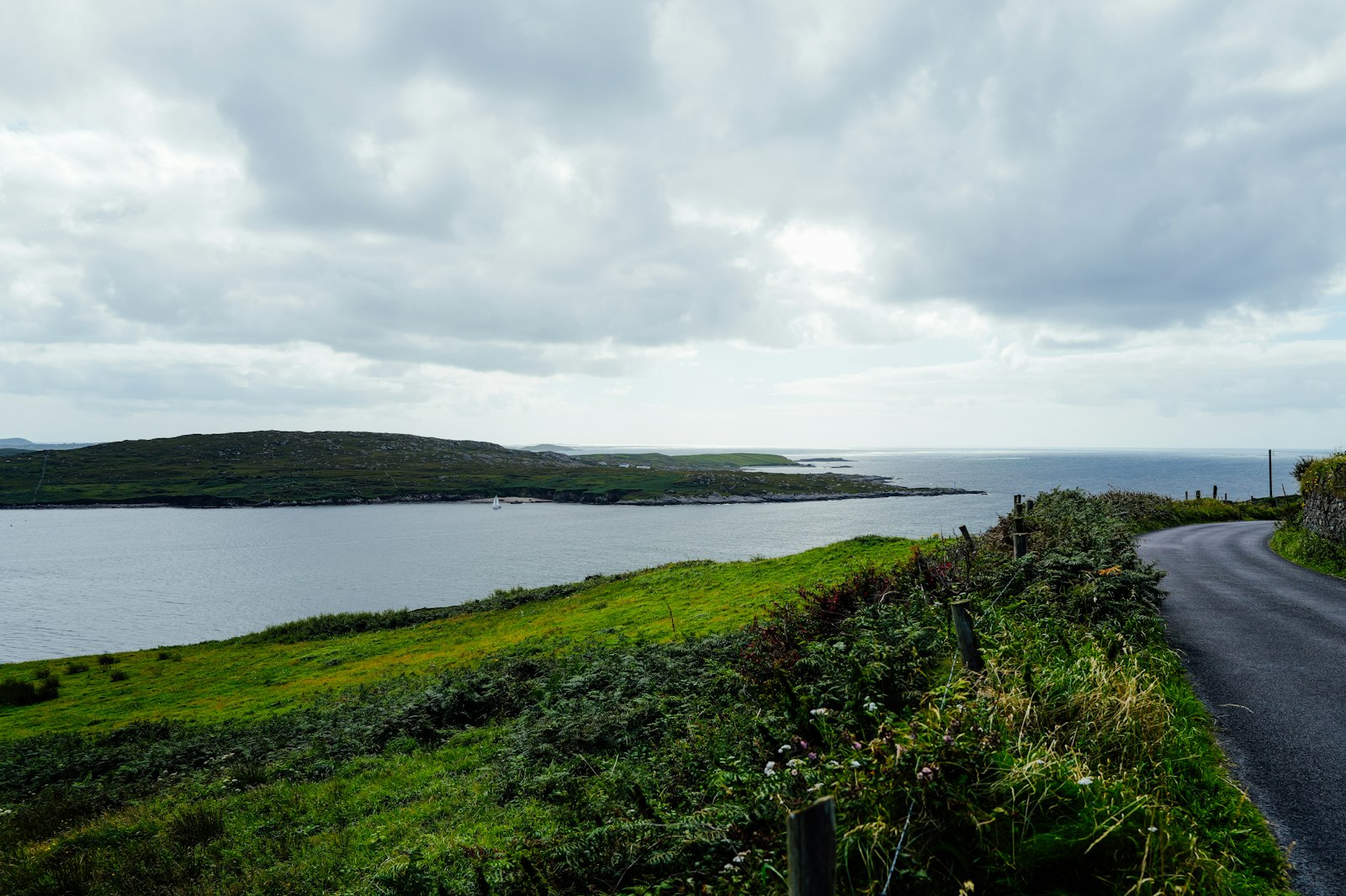
Cover photo by Adrien Olichon on Unsplash.