
New in Hawaii
Making friends in Honolulu in your 20s, when rent is high and people leave
You moved here alone, rent eats your paycheck, and half the people you meet leave. How a social life actually gets built here at 23.
By YKnot Admin · · 5 min read
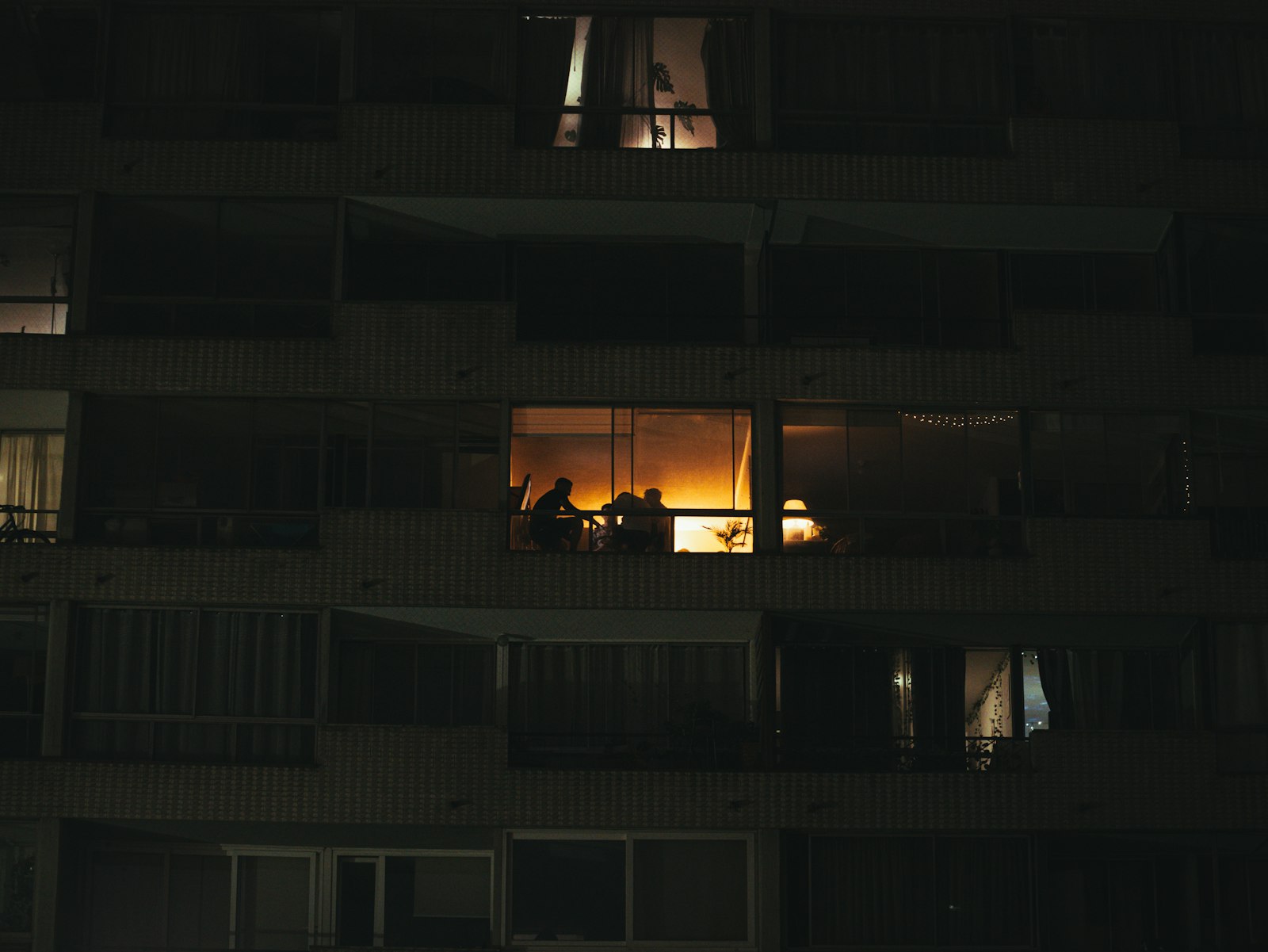
You did not arrive with a household. That single fact makes making friends in Honolulu in your 20s a different problem than it is at 35 — no partner who came with coworkers attached, no kid whose school hands you eight other parents on day one, no mortgage pinning you to a block for a decade. You came for a job, a posting, a degree, or a person. Rent takes a humiliating share of what you earn. And you have more open weeknights now than you will have again for twenty years. All three point the same direction: it has to be cheap, it has to run on the hours you actually have, and you have to build it on purpose, because nothing here will hand it to you.
What makes making friends in Honolulu in your 20s easier than it looks
Almost nobody your age here is living in the house they grew up in.
Any gathering of twenty-somethings here is mostly people who arrived recently and are unsure how long they are staying — students, junior enlisted, travel nurses, kids of local families back from four years on the mainland, someone who came for six months of surfing and is on year two.
That instability gets described as the bad news. It is also why the ask is easy. When everyone's situation is provisional, "I'm going to Lanikai Saturday, want to come?" is a normal sentence rather than an imposition — nobody your age has a settled Saturday to defend, where getting onto a 40-year-old's calendar is a negotiation with a household. If you are in the first stretch and do not know anyone yet, that is the advantage you are holding, and it expires. Oʻahu is small enough that you will see the same people twice, so the job is making the second encounter count.
The roommate economy is the most underrated asset you have
Being unable to afford your own place is, socially, a gift.
Rent forces almost everyone in their 20s into a shared house or a split one-bedroom, and a household is a node. Your roommate works somewhere you do not and knows forty people you do not. A three-person house in Mōʻiliʻili is wired into three separate social worlds, and the kitchen is where they meet.
Use it on purpose. Cook enough for whoever is home on a Sunday — a rice cooker and something from a Chinatown market is not a dinner party, just more food than one person needs, and it turns a house into somewhere people come. Say yes to your roommate's coworker's birthday; arriving as somebody's plus-one is the easiest social entry there is. And be the one who proposes the hike, because in most houses nobody does.
The catch: a house is not a friend group. Leases end, someone moves in with a partner, and the whole thing evaporates in a single July. Take individuals out of it — one person, one thing, on a day with nothing to do with the living room — or you find at 26 that you had roommates, not friends.
Money is less of an obstacle than it looks, because the good version of a night here is outside: a beach park at five, a potluck, a ridge before work. Eating is the expensive part, and eating cheaply in Honolulu is a real skill at this age. Without a car the bus reaches more than people assume — read the current routes and fares rather than guessing, because "I can't get there" kills more plans than anything.
Build it around the schedule you actually work
A lot of people your age here work nights, and a social life planned for Friday at seven excludes them entirely.
Restaurants, bars, hotels, retail, hospital shifts — the industries that employ twenty-somethings here run on a clock that does not match an office. If that is your schedule, your days off are Tuesday and Wednesday and your evening starts at 11:30pm. Use the hours you own instead of squeezing into everyone else's Saturday. A Tuesday morning hike is empty, a Wednesday session has parking, and the others on your clock have a weekday open and nobody to spend it with.
And if your hours are normal while your friends' are not, put things on a calendar two weeks out. Spontaneity works when everyone shares a week and fails when the group is mixed.
The people you meet at 24 will mostly be gone by 28
That is the honest part, and it is an argument for starting now rather than a reason to hold back.
Grad programs end. Orders come through. Somebody runs the numbers on rent and takes a job in Denver. You build something good over two years and watch a third of it leave in one summer, and the first time it happens it is genuinely bad. The common response is to stop investing — why bother, everyone goes — and then to spend three years here alone in a room.
Build it anyway. The ones who stay become people you will know for forty years, and you cannot tell in advance which those are. You also get fluent at the skill itself — walking up, asking, following up — which transfers to the next city and the next decade.
Practically: assume a third of your circle turns over each year, and keep meeting people in the stretches when you feel set. The mistake is stopping at five friends. The version of this waiting at 32 is harder in every way, and the habit you build now carries you into it.
Money and turnover are the two real constraints at this age, and both argue for more attempts rather than better ones. That is the shape of YKnot: members post what they had already planned for a Tuesday morning or a Thursday off, note there is room, and pick who joins. It is members-only, everyone has passed ID verification, and the host's yes is what sends you the meeting spot.
See what's happening on Oahu →
Cover photo by Gustavo Alejandro Espinosa Reyes on Unsplash.