
HPU students: try a board-game break with people you haven’t met yet
A short board-game session can make meeting other HPU students easier. Pick a beginner-friendly game, explain the cost, and leave room for newcomers.
By YKnot Admin · · 2 min read
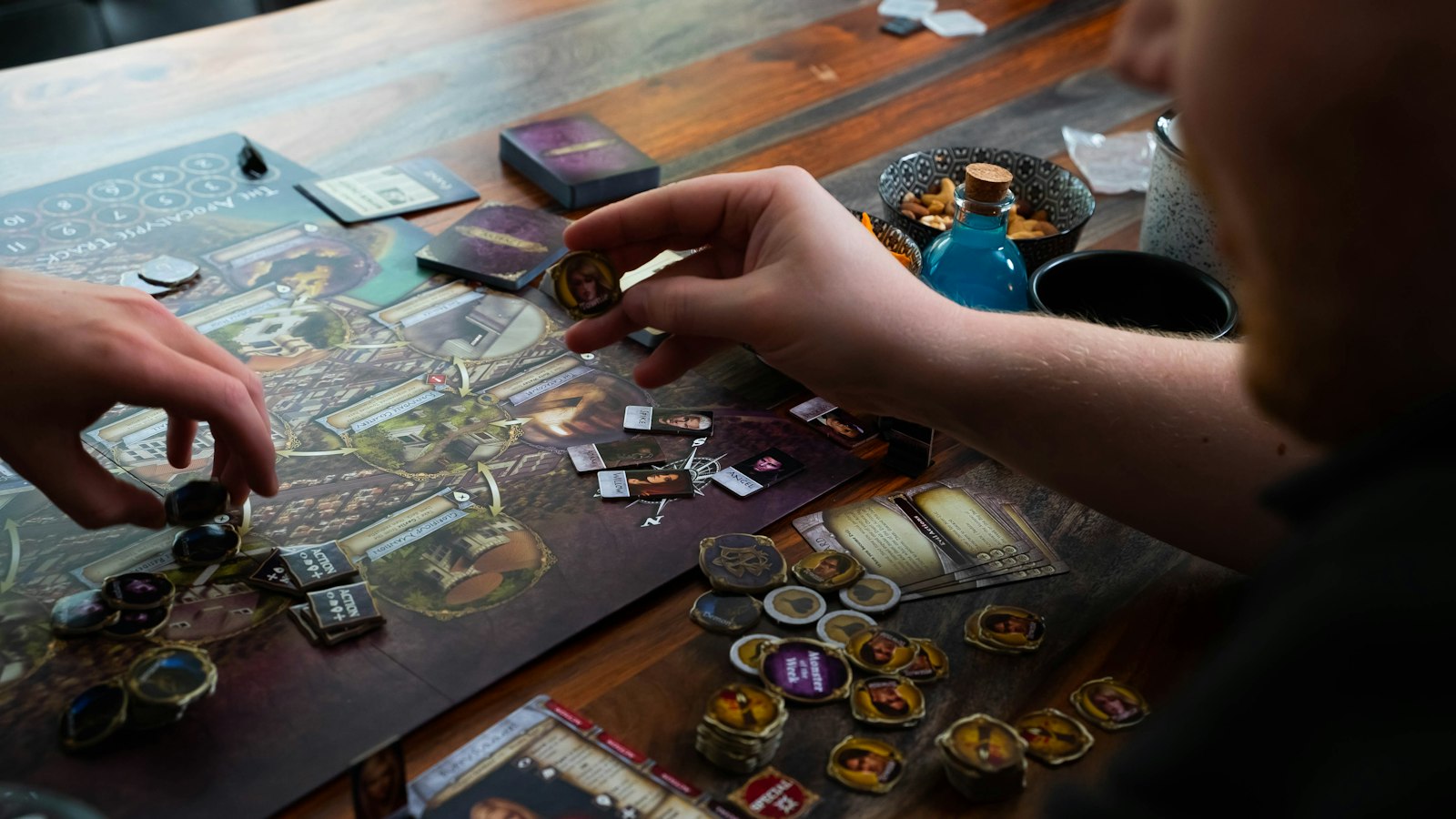
You want to meet a few people at Hawaiʻi Pacific University, but an open-ended invitation to “hang out” is hard to act on. A game gives everyone something to do as soon as they arrive.
It also gives you a useful opening line: “Have you played this before?” You can explain a turn, laugh at a surprising move, and learn names while the activity gets going.
Look for an existing group first
HPU lists GameSharks, a tabletop gaming club, among its special-interest student organizations. Check with the club for current activity and meeting details. A listing is a starting point, not a guarantee that a particular session is happening this weekend.
If its schedule does not fit yours, you can still arrange a small game with classmates. Keep that invitation clearly separate from an official club event unless the organizers have agreed to host it.
Choose a game you can actually finish
For a first meetup, bring something you can teach in a few minutes. Tell people the approximate length and whether you will provide everything. A beginner should not need to buy a deck, download several apps, or study rules before attending.
Match the number of open places to the game. “Three people can join” is more helpful than accepting a crowd and discovering that only four can play.
Confirm the venue too. If you use a café, check that games are welcome and explain any expected purchase. For university space, follow booking and guest-access requirements.
Make it welcoming in the invitation
Adapt this example with your date and confirmed venue:
Beginner-friendly card game on Saturday, 2–3 p.m. I’ll bring the game and teach it. Three people welcome; no experience needed. We’ll finish the current round by three. Venue and any purchase requirement will be confirmed before you join.
Explain rules without making newcomers feel tested. A practice round can help, and asking before offering strategy advice leaves people room to learn.
At the end, ask whether anyone would like another session. Let the next game be a group choice rather than quietly assigning yourself permanent organizer duties.
Already have a game and a free hour? Create a YKnot line with the time, cost, skill level, and number of open places. Give someone a concrete plan they can ask to join.