
Things To Do
Honolulu Marathon training is a friendship structure disguised as a race
Why the months of Honolulu Marathon training, not the race, are where adults actually make friends here, and how to join a group at any pace.
By YKnot Admin · · 5 min read
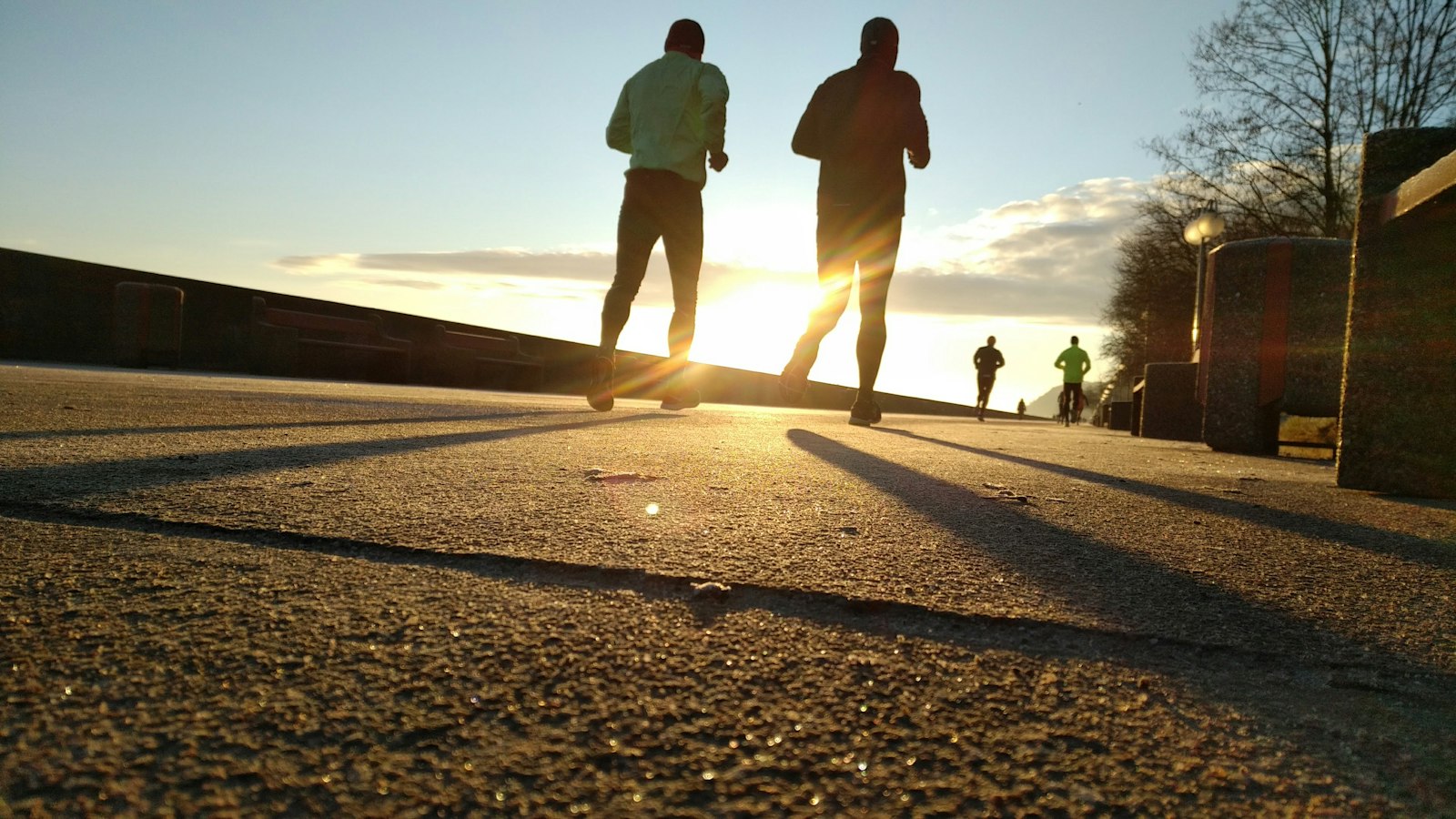
Honolulu Marathon training is months of early mornings and one morning of running the thing. If you take up Honolulu Marathon training partly to meet people — a reasonable motive — the months are the point and the finish line is a formality. Adults almost never get repeated, scheduled time with the same faces; that ended with school and nothing replaced it. A training block hands it back: same parking lot, same hour, same handful of people, week after week, until you know each other whether you meant to or not.
The training is the social event; the race is the receipt
Race morning is a few hours you spend mostly inside your own head, while the build is dozens of mornings you spend talking.
You show up in the dark at the same spot, with the same group, two or three times a week, for months on end — including when it is raining and when you feel terrible. Nobody is performing at that hour.
That repetition is the mechanism, and adult life is worst at providing it. You cannot manufacture it with a coffee every six weeks. You get it by doing the same difficult thing with the same people until the small talk runs out and something real replaces it — the through line in how to make friends in Honolulu.
Nobody cares how fast you are, and the slower groups are often the warmer ones
The most common reason people talk themselves out of a training group is pace, and it is the wrong reason.
Groups and running clubs on Oʻahu run at every speed, from people chasing a qualifying time to people planning to finish upright. The fast packs are often the quieter ones, because a hard effort leaves no breath for talking. The slower groups are the social ones — conversational pace is the definition of the effort.
Run-walk is legitimate here, and so is walking — a real method plenty of finishers use, not a consolation prize. Cutoff and course rules belong to the race organizers, so check the current ones rather than what somebody told you two years ago.
If a group still feels like a lot, start with one person at your pace — a lower bar than a club, and it compounds the same way, which is the case made in finding a running partner in Honolulu.
The heat sets the schedule, and the hard summer is what bonds you
Training here starts before sunrise because the alternative is midday heat, and that shared inconvenience does most of the social work.
Honolulu Marathon training means building mileage through a Hawaiʻi summer, which is genuinely hard. Heat and humidity push your effort up at any pace, long runs feel worse than the numbers say, and the window is early. Check conditions instead of guessing; the National Weather Service office in Honolulu publishes current forecasts and hazard advisories for the islands.
The part nobody puts on the sign-up form: being awake at that hour, in that humidity, doing something unpleasant beside people doing the same thing, produces an unreasonable amount of affection. You are not bonding over running so much as over having agreed to suffer on a schedule together.
It also makes route choice matter — shade, water, where you can safely be in the dark. Groups hoard that knowledge and hand it around, and it overlaps with the ground in running routes in Honolulu.
A three-hour long run is the longest conversation you will have all year
You learn more about someone over one long run than over a year of scheduled coffees.
An hour in, the performance drops. Two hours in, people tell you about the job they are quietly hating, the move they are considering, the parent they are worried about. No eye contact, a shared task, nowhere else to be.
Multiply that across a block and the hours of uninterrupted talking stack up faster than almost any adult friendship outside work manages. It is also why these friendships outlast the training — the weekend habit already exists.
People drop out, and the ones who finish committed to other people
Every group thins out, and the runners still there at the end were showing up for the people, not the plan.
This is the honest part. Honolulu Marathon training loses people to injuries, to work travel, and to the motivation dip mid-build, when mileage is high and the race is still far off. The group you start with is not the group you finish with.
What gets people to the start line is rarely discipline in the abstract. It is that at 4:45 on a morning they did not want to run, somebody was waiting at the park and they did not want to leave them standing there. Accountability to a plan is weak; accountability to a person you like is strong. So build the social side early: learn names, and check in when someone disappears.
Showing up alone is the normal way to start
Group runs are built for strangers arriving by themselves, and nobody will make it weird.
Clubs and training groups here are used to walk-ups. You stand near the group, say it is your first time, ask which pack is the easy one, and somebody tells you. That is the whole ritual. The mistake is assuming everyone else arrived as a unit — most did what you are about to do, just earlier.
To make it easier, bring the meeting to you. Put your weekend long run up on YKnot with the time and pace you actually run, and let a nearby member take the spare seat. Sharing a plan you already have is a softer entry than a club roster.
Then do it again the next week. The whole thing runs on repetition, and the first morning only has to be survived once.