
Things To Do
How to find a cycling partner on Oahu and get invited back
Riding here is better with a second person. How to match pace honestly, the group etiquette newcomers get wrong, and what to carry at dawn.
By YKnot Admin · · 5 min read
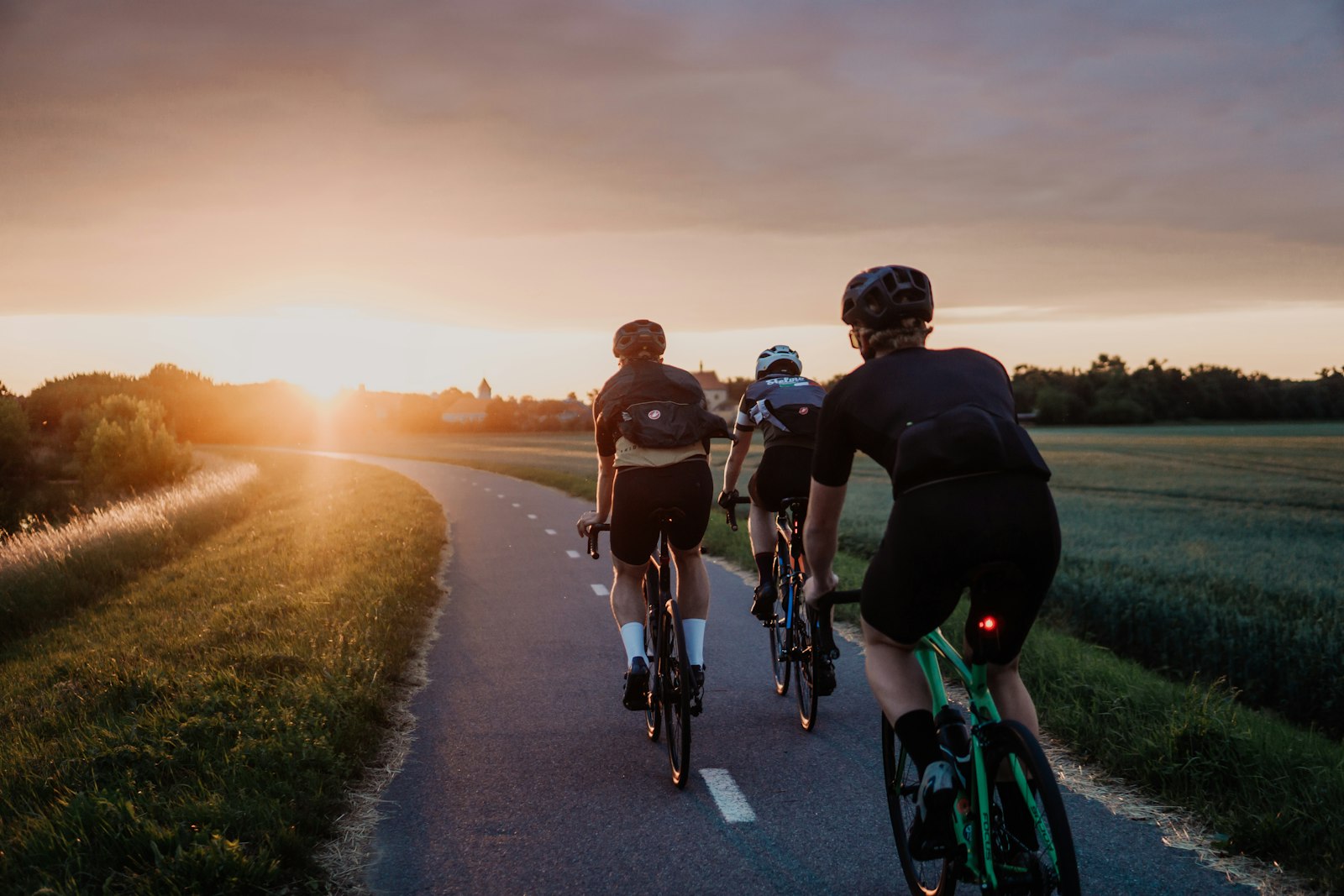
Cycling is more social than it looks from outside it. You talk the whole way, and pace is negotiable in a way it never is running: the strong rider sits on the front, the tired one sits on a wheel, and both finish together. That is why a cycling partner is easier to keep than a running partner — a fitness gap changes who is pulling, not whether you ride. On Oʻahu, riding alone also carries real risk.
Why you want a second rider on Oʻahu
The roads that are worth riding are the roads with the least room for you.
Long stretches of Kamehameha Highway on the North Shore are two lanes with a white line and then nothing, and the shoulder that does exist collects sand, glass and parked cars. Kalanianaʻole toward Sandy's carries commuter traffic at speed. The Waiʻanae Coast and the flats past ʻEwa are exposed for miles with little shade and nowhere to fill a bottle. Ride those roads as roads with no margin in them, because that is what they are: single file the moment the shoulder narrows, no wheel-to-wheel games, and a willingness to turn around.
A second rider does not buy you room and does not change how much space a truck leaves. What it buys is a second set of eyes, a second light, and somebody to make the sensible call when the shoulder runs out. It also solves the mechanical problem: a flat is a nuisance with someone standing there and a long, hot problem alone at the far end of the island. Wind decides the rest — ride out with the trades behind you and the return is an hour of headwind, miserable alone and ordinary shared.
Finding a cycling partner who actually matches you
"No-drop" means different things to different groups, and it is worth asking before you show up.
For some it means nobody gets left: regroup points, and someone riding the last ten miles at your pace. For others it means the group waits at the top and leaves the moment you arrive — technically true, useless to a newer rider. Ask what happens at mile 30 if you are off the back. Asking does not make you look weak.
Describe your own riding with numbers and terrain together. "I hold 16 on the flat and I climb slowly" is information. "Pretty fit" is not. Flat speed on the ʻEwa plain says nothing about the climb to Round Top. If the Tantalus and Round Top climb is the ride on offer and you have not done it, say so.
Be as specific about logistics: where you park, when the wheels actually roll, how far, and whether there is coffee afterwards. The coffee is where a riding acquaintance becomes a friend — the same pattern as finding a running partner in Honolulu.
The etiquette that decides whether there is a second ride
Everything a group asks of you is about being predictable.
Hold your line. Do not drift when you reach for a bottle, do not swing wide on a corner, and never overlap your front wheel with the rear wheel ahead. Point out what is coming — glass, a pothole, a grate, a rock — with a hand down and a word if there is time. Call "car back" on narrow stretches, call "slowing" and "stopping" before you do either, and single up when the shoulder disappears without being told.
Do not half-wheel. If you are on the front alongside someone and keep riding half a wheel ahead, you are forcing the pace up, and they will say nothing and also not invite you again. Match shoulders and hand over the front before you are cooked. On climbs, ride your own effort — the newcomer move veterans notice first is riding away and then sitting up at the top to be admired.
Carry a tube, and be lit up before sunrise
Show up able to fix your own flat. The person waiting with you is doing you a favor, not providing a service.
Tube, levers, a pump or CO2, a multitool, a phone, water, a card. Practice changing it at home on a weekend afternoon, not on a highway shoulder with traffic going by and somebody watching.
Most riding here starts at dawn, for the heat and the traffic, so a good part of it happens in the dark or in the flat grey before sunrise. Run a rear light, and run it in daylight too. Front light on. Reflectors where the law puts them. Wear something a windshield picks up rather than considerate grey, and remember that a driver heading east at six is looking straight into the sunrise. Hawaiʻi sets its own requirements for lights and reflectors, so read the current state rules rather than assuming what your last state asked for; the fundamentals of riding predictably in traffic are laid out plainly in the federal guidance on bicycle safety.
One more thing: you are meeting a stranger in a dark parking lot at 5:30 a.m. Tell somebody the route and when you expect to be back, the ordinary care you would take meeting anyone new.
Nobody advertises a 5:30 roll time to strangers, which is why the wheel is harder to find than the route. YKnot is where the ride gets posted: a member puts up the one they were already doing — start, roll time, honest pace — marks a wheel spare, and picks who fills it. Every account is identity-verified, and you get the start point when the host picks you.
See what's happening on Oahu →
Cover photo by David Dvořáček on Unsplash.