
Finding someone to climb with in New Haven
Bouldering is the rare activity where being bad at it is the social part. How to start in New Haven, alone, in winter, with no gear.
By YKnot Admin · · 3 min read
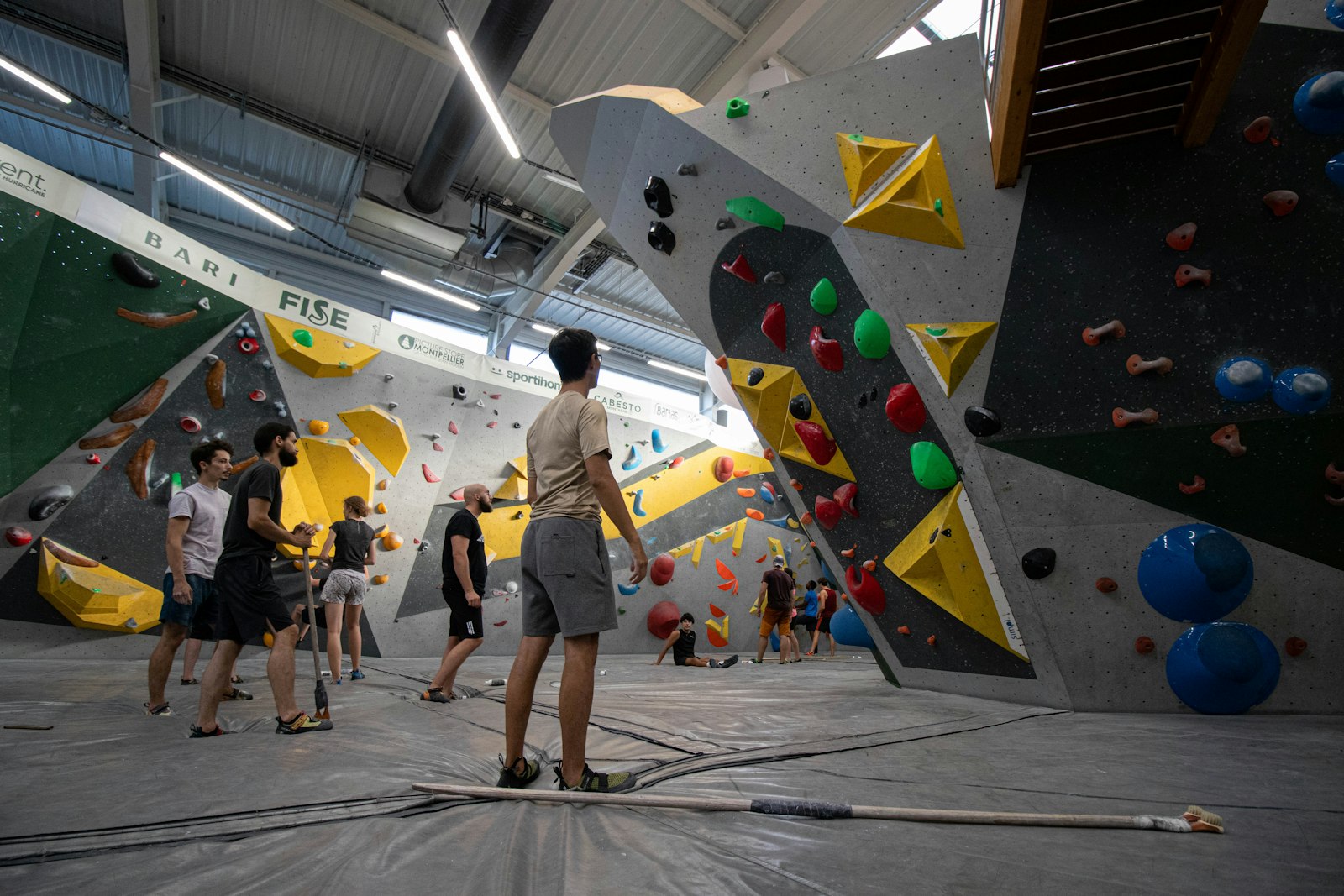
Climbing is unusually well suited to making friends and unusually badly explained to beginners, so here is the honest version.
You do not need a partner to start. Bouldering — the low walls with mats and no ropes — is something you can do entirely alone on your first visit. Which means the usual chicken-and-egg problem of needing a friend before you can try the thing does not apply.
And you will not be climbing in silence. The actual rhythm of a bouldering session is thirty seconds of effort and four minutes of sitting on a mat watching other people fall off the same problem. It is one of the most conversational activities there is, disguised as a sport.
Why it suits a New England winter
From November the light goes by half four and anything outdoor becomes a negotiation. A climbing gym is warm, lit, indifferent to weather, and open on the evenings when going outside has stopped being appealing.
If you are building a winter social structure — and in this city you should, deliberately, in October — a weekly climbing session is one of the most reliable options available.
Starting from nothing
Gear: shoes, which you rent. That is the whole list for a first visit. Chalk is optional and nobody will comment.
Ability: irrelevant. Every gym sets problems from "walk up it" upward, and the beginner grades are genuinely designed for people who have never done this.
Fear of looking stupid: everybody in the room is falling off things repeatedly in front of strangers. It is the one gym environment where visible failure is the normal state, which is precisely why it is easier to talk to people than at a weights rack.
How the social part actually happens
It happens on the mat, not the wall, and it starts with the same sentence every time: "how are you doing that?"
Watching someone work a problem and then trying it yourself is the standard interaction, and it is completely normal to do it with a stranger. Ask what they did with their feet. Offer what worked for you. Within three sessions you will have a nodding acquaintance with the regulars who climb at your time of day.
Go at the same time each week. This matters more than anything else. The Tuesday-evening crowd and the Saturday-morning crowd are different people, and being a fixture in one of them is what turns nodding into knowing.
Climbing outside
Connecticut and the wider region have real rock, and the climbing community here will get you to it — but that is a roped activity with genuine consequences, and it needs a partner who knows what they are doing and proper instruction rather than enthusiasm.
The sequence that works: boulder indoors for a season, get to know the regulars, take the gym's rope class, and go outside with people who have done it before. Trying to shortcut that is how people get hurt.
If it is not for you
The social structure is what matters, not the climbing. A weekly indoor thing where the same faces appear and failure is normalised describes plenty of activities. Climbing just happens to be the one with the lowest barrier for someone arriving alone with no gear, no partner and no experience.
YKnot is built for exactly that gap: people post plans they're already going to — a run up East Rock, a table at dinner, a Saturday at the market — with a spare seat, and you ask to join. It's members-only and everyone's ID-verified, so you know who you're connecting with.
See what's happening near you →
Illustrative cover photo by Nathan Cima on Unsplash.