
Things To Do
Dog parks in Honolulu, and the people standing at them
The fenced parks, the regulars who show up by the hour, the etiquette that keeps you welcome, and how park small talk turns into an actual plan.
By YKnot Admin · · 5 min read
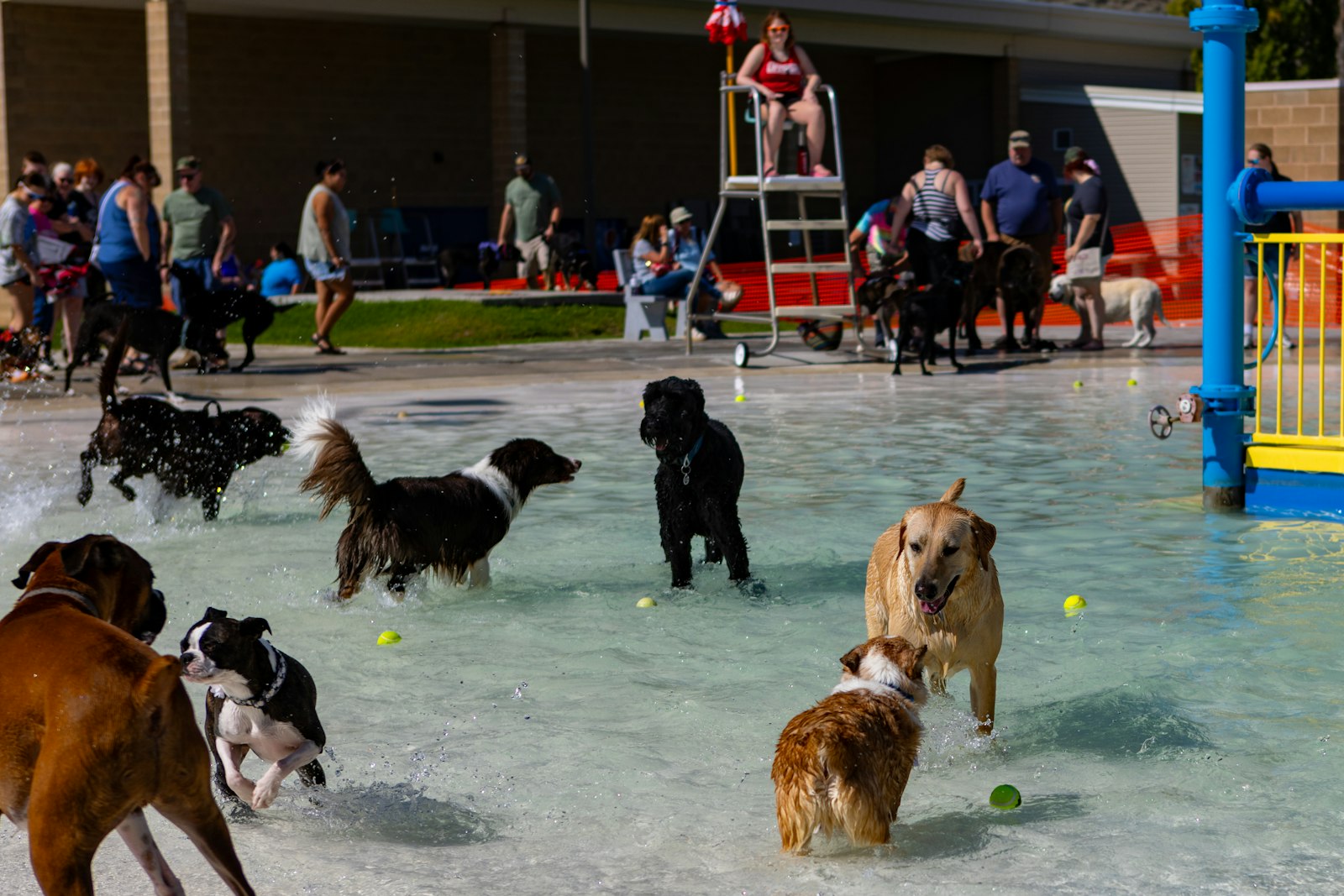
Dog owners have the one thing most adults lose somewhere in their twenties: a daily reason to stand in a public place, at roughly the same time, next to the same people, with the opening line already handled. That is why dog parks in Honolulu are one of the few places on this island where strangers reliably become acquaintances without anyone organizing anything.
Nobody has to be clever. The dogs do the introducing, the conversation has a subject built in, and if it goes nowhere you both watch a beagle for a while and it is not awkward.
The regulars at dog parks in Honolulu come in shifts
The 6 a.m. crowd and the 5 p.m. crowd are two different social groups, and most people never meet the other one.
Early is quieter and older on average — people with commutes, people who run first, dogs who need space. The talk is short and practical, and the same six faces are there every weekday. Late afternoon is louder, younger, more kids on the fence line, more dogs meeting for the first time. Weekend mid-morning is busiest and the worst for meeting anyone, because it is full of people who came once.
Pick a slot and go at it three or four times in a row. That is the whole trick. The first visit you are a stranger, the second you are a face, and on the third somebody says something to you first — none of which has anything to do with how you handled yourself on day one. If you keep floating between hours you stay a stranger at all of them, which is the same reason making friends in Honolulu tends to stall for people who do a different thing every weekend.
Where to go, and what to check before you drive
Fenced, off-leash parks on Oʻahu are a short list, so the regulars at each one know each other.
The ones people name are the dog park at Moanalua, the one on the Hawaiʻi Kai side, and the one up in Mililani — enough that most of the island is within a reasonable drive of one, and few enough that you will recognize cars in the lot. Hours, gates, separate small-dog pens and whether a park is open at all after maintenance can change, so check the City and County of Honolulu's Department of Parks and Recreation or the posted signage rather than a three-year-old blog post.
Off the fenced parks, leash rules apply almost everywhere, and they vary by park and by beach. Some shoreline parks are fine with a leashed dog on the grass and the sand; some are not; state parks and swimming areas have their own rules. Read the sign at the entrance every time, because the sign is what gets enforced, and being the person whose dog is loose where it should not be is the fastest way to become unpopular with the exact group you are trying to join.
If you are new to the island with a dog, sort the arrival requirements before anything else — Hawaiʻi is rabies-free and has a quarantine program with paperwork and timing that has to start well before you fly. Get the current version from the state Department of Agriculture rather than a forum, because the deadlines are unforgiving and they have been revised.
The etiquette that keeps you welcome
Every regular can name the person who ruined a morning, and nobody wants to be that.
Watch your dog, not your phone. The most common complaint at any park here is the owner scrolling by the gate while their dog does something across the lawn. Fill in holes. Pick up, every time, including the one you could pretend you did not see.
Do not bring a dog that is still figuring out other dogs to the busiest hour — take them at the quiet slot first. Do not bring food or toys into a crowded pen. Take a squabble seriously the first time and leash up rather than explaining that he is friendly. If someone asks you to give their dog room, give it without negotiating; plenty of dogs are managing something you cannot see.
Learn the dogs' names before the people's. It is what everybody uses, and "Koa's mom" is a perfectly good way to be known for two months.
Turning fence-line small talk into a plan
Park conversation stays at the park unless someone makes a specific offer.
The move is not "we should hang out sometime." It is naming a thing, a place and a time: I walk the loop at Ala Moana Saturday around seven, come if you want. Specific is easy to say yes to and easy to decline without anyone losing face. Dog-shaped plans travel well — a beach walk at the leash-legal end, a longer hike without the dogs, breakfast after. So do the non-dog versions; a couple of park regulars are usually the easiest people to ask about a running partner or a standing Saturday thing.
Keep the ordinary care you would with anyone new. Public places, your own car, tell someone where you are going — the same rules that apply to meeting anyone new do not stop applying because there was a dog present.
If you do not have a dog, this one is genuinely closed to you
Borrowing a friend's dog for a social errand is not it, and showing up dogless at a fenced park reads badly. The honest answer is that the mechanism is not the dog — it is the daily fixed-time appearance in a public place. Anything with that shape works: the same gym class on the same two days, the same surf spot at the same hour, a run group that meets whether or not you came last week. Pick one, go at one time, and let repetition do what it does at the park.
A dog gets you a standing appointment in public with the same people. YKnot is that shape without the dog: someone's walk, paddle or Saturday morning goes up with room for one more, people ask, and whoever posted it decides who comes. Every member is ID-verified, and the meeting spot is held back until the host has picked.
See what's happening on Oahu →
Cover photo by Judy Beth Morris on Unsplash.