
Things To Do
Chinatown Honolulu on a weekday
Markets, noodle counters and lei shops at midday, plus why a weekday lunch downtown is the easiest thing to invite someone you barely know to.
By YKnot Admin · · 5 min read
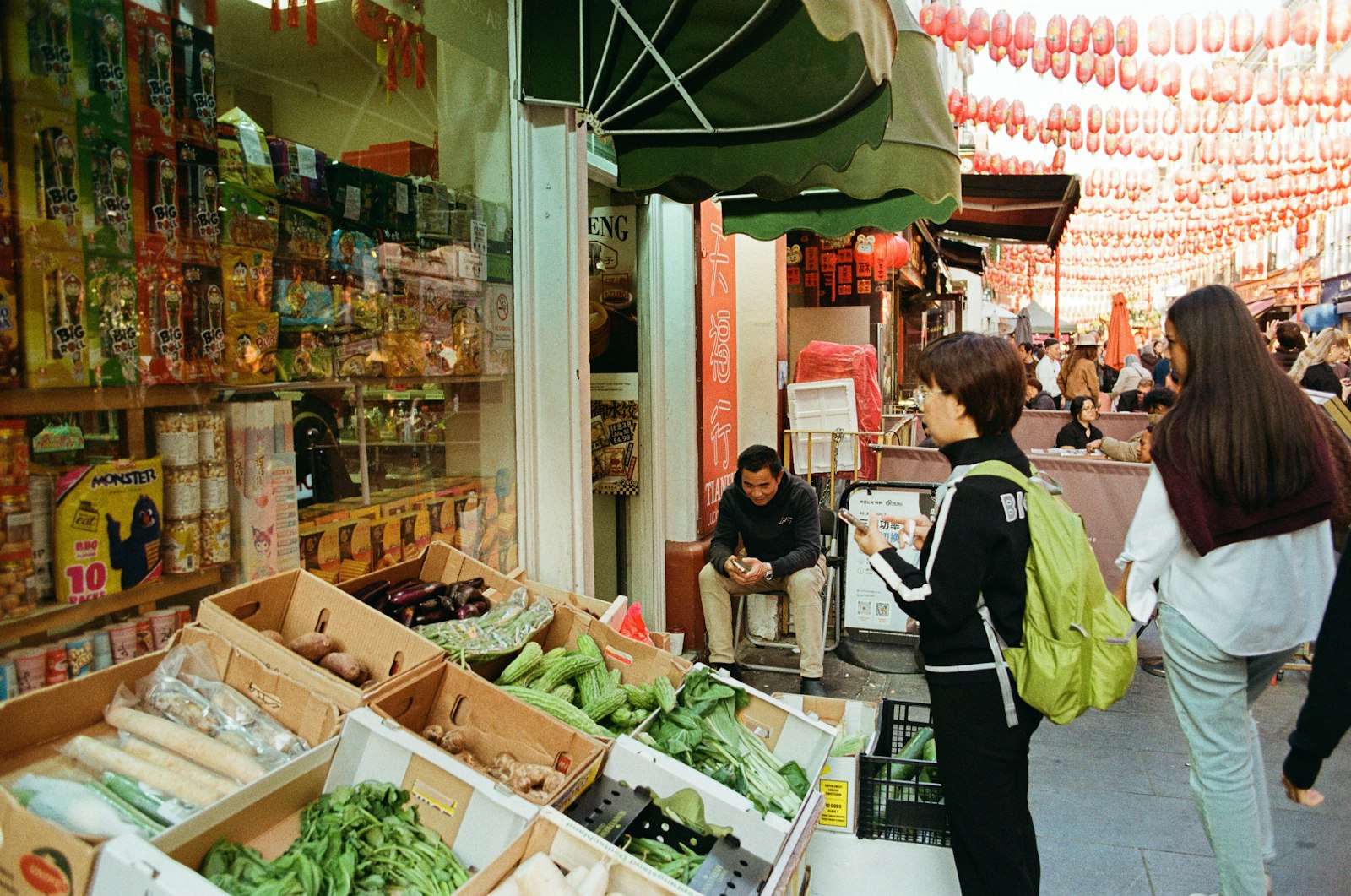
Most people who live here only see Chinatown Honolulu after dark, once a month, with a drink in their hand. First Friday has been a real thing down here for years and it is worth doing — we have written about it already — but it is not the neighborhood. The neighborhood happens between about nine in the morning and two in the afternoon on an ordinary Tuesday, when the produce is stacked out on the sidewalk and every counter seat is taken.
Go then instead. It is a short trip from most of town, it fits inside a lunch break if you plan it that way, and it is one of the few rooms in Honolulu where the people eating next to you are genuinely not all the same people.
What a weekday lunch in Chinatown Honolulu is actually like
At midday this is a working lunch district, and the mix at the counters is the reason to come.
Between the courthouses, the state and city offices a few blocks away, the shops, the wholesalers, and the families who have been on these blocks for forty years, a noodle counter at noon holds attorneys in aloha shirts, nurses coming off shift, a contractor still in boots, a grandmother with a folding cart, and two people from the flower shop on their fifteen minutes. Nobody is there because it is charming. They are there because it is close, it is good, and it is fast.
That matters more than it sounds. Honolulu sorts itself quietly — by neighborhood, by which school you went to, by industry, by how long your family has been here. Most rooms are more uniform than you notice until you have stood in one that isn't. A weekday lunch down here is one of the exceptions.
Walk the markets first, eat second
The markets are the actual event; the meal is what you do afterward.
Start at Oʻahu Market at King and Kekaulike and work the stalls on foot. Whole fish on ice, live crab, bitter melon and long beans and ong choy, taro, mango and lychee when they are in, dried shrimp by the scoop, prices written on cardboard. Bring cash, because some stalls want it.
Walk the whole stretch before you commit to anything. Half of what makes the markets worth an hour is stalls you did not know existed, and you will not find them if you buy at the first table.
Then the lei shops on Maunakea Street. These are working shops, not souvenir stands — people are buying for graduations, for funerals, for a cousin landing at nine. If you want something specific, ask about ordering ahead rather than expecting it to be sitting there. And ask before you photograph anyone, here and everywhere else down here.
Eat last, once you have seen what is around. Roast duck hanging in a window, a bowl of pho big enough to end the conversation for a minute, a dim sum cart, noodles at a counter with eight seats. Order what the person in front of you ordered. The cheap eats in Honolulu rundown covers the rest of the city on the same logic.
It is a working district, and that is the honest version
Chinatown gets written two wrong ways, and both of them will make you misjudge it.
One version is a foodie playground with a cocktail bar on every corner. The other is a place people tell you not to walk. Neither is what is there on a Wednesday at eleven.
What is there is a dense, old, functioning district: temples, herbalists, lei makers, galleries on Nuʻuanu Avenue, family businesses now run by grandchildren, and the daily logistics of feeding a lot of restaurants. It also has real hard edges. People sleep in doorways, the stretch along Hotel Street reads differently than the market blocks, and some of what you walk past is somebody's whole situation. None of that is a reason to stay away, and none of it is scenery either. Daylight, normal city attention, and treating people as people covers the distance.
Buy something if you have spent twenty minutes in a shop. That is not a rule anyone enforces; it is just how a district of small businesses keeps existing.
Parking is the genuine friction. The municipal lots fill, the metered stretches turn over slowly, and circling eats the time you came for. Checking the bus routes into downtown beforehand is often the easier answer, especially if you are coming with someone and would rather not start the outing arguing about a space.
A counter seat is an easier invitation than dinner
You can ask someone you barely know to walk a market. Asking them to dinner is a much bigger request.
Think about what a dinner demands. A reserved table, an evening with no natural end, a bill, and two hours of sustained conversation with a person you have met twice. That is a lot of weight for an early friendship, and it is why so many of them never get past the first hangout.
Chinatown at midday asks for almost none of it. You walk, so conversation always has somewhere to go — there is a fish, a stall, a smell, a thing neither of you can identify. You sit at a counter, eat in twenty minutes, and then you are both on a sidewalk in daylight with the day still in front of you. Nobody has to invent a reason to leave. If it went well, you get coffee and keep walking.
It is also the plan that works for people the evening version excludes: anyone not drinking, anyone with kids at three, anyone on shift. Daylight, cheap to leave, easy to repeat — that is what turns a place into a reliable meeting spot rather than a one-off, and it is the same thing that makes the rest of the rooms locals actually use work.
Make it a standing weekday thing and it stops being an outing. It becomes the hour you already had, with somebody in it.
Finding the market is easy. Finding someone free at eleven on a Wednesday is the part that stalls, and that is the part YKnot handles. Members post the plan they are already keeping, say how many seats are spare, and pick who comes along. Every member has been through ID verification, and the counter you are meeting at is only named once the host says yes.
See what's happening on Oahu →
Cover photo by Barney Goodman on Unsplash.